Understanding the Bicentennial Quarter
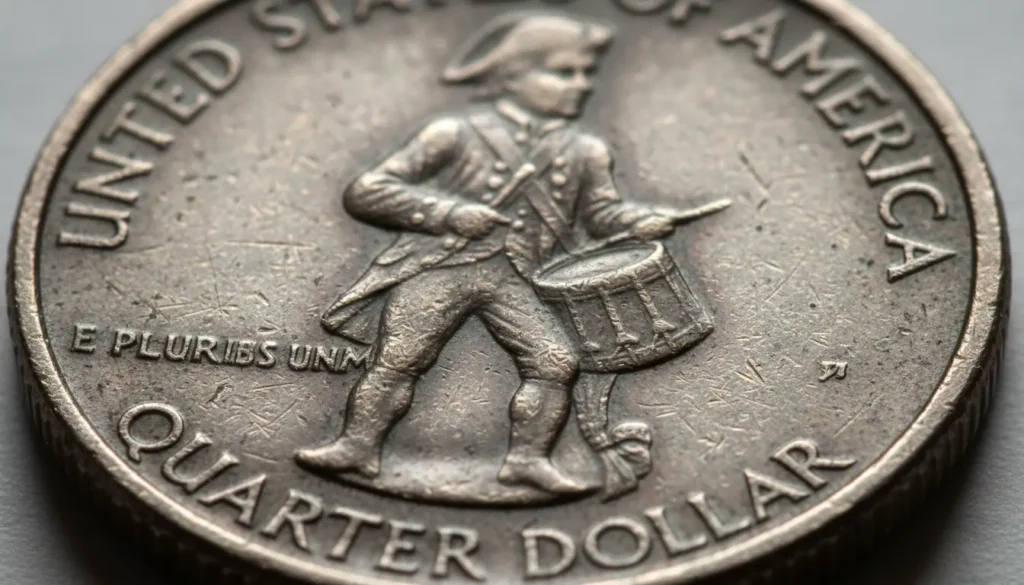
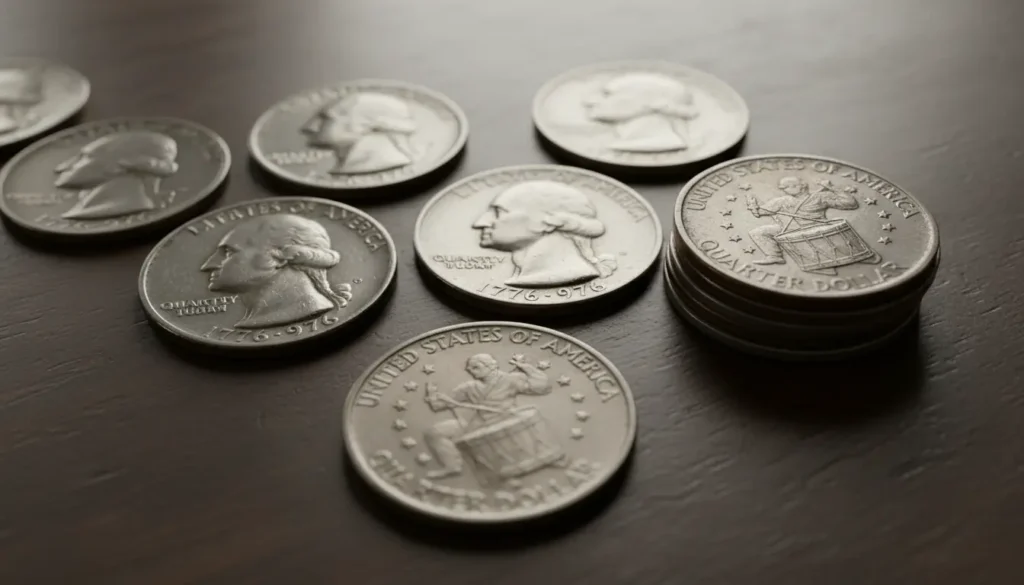
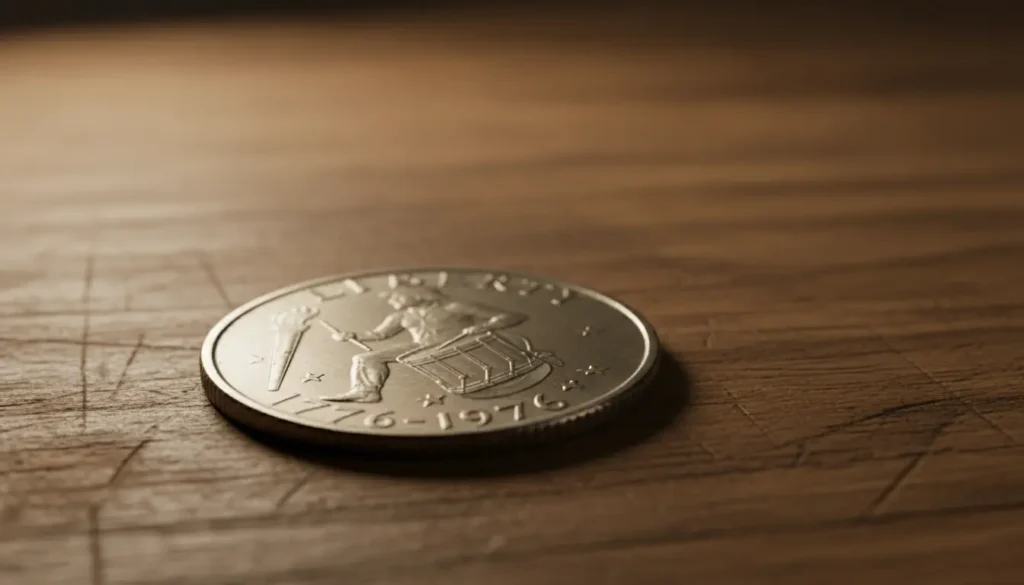
The Bicentennial Quarter was issued in 1975 and 1976 to celebrate the 200th anniversary of American independence. It carries the dual date 1776-1976 and a special reverse showing a colonial drummer rather than the usual eagle.
Because hundreds of millions were struck for circulation and collector sets, most Bicentennial Quarters are common. That said, a small number of special strikes and errors exist that attract collectors.
Could a Bicentennial Quarter Be Worth 1 Million?
In short, it is extremely unlikely a typical Bicentennial Quarter in circulation is worth anywhere near 1 million dollars. High values require a combination of extreme rarity, exceptional condition, certified grading, and strong collector demand.
Read on for practical steps to evaluate your coin and realistic signs of value.
How to Tell If Your Bicentennial Quarter Could Be Valuable
Follow this checklist to quickly assess a quarter. Each step narrows the chances of high value but is important to rule out common pieces.
1. Confirm the coin is a Bicentennial Quarter
Look for the dual date 1776-1976 and the drummer reverse. If your coin matches that design, continue; otherwise it’s not a Bicentennial Quarter.
2. Identify the mint mark and finish
Check for a mint mark on the obverse near Washington’s neck on certain issues or on the reverse below the design depending on strike. Most circulation strikes have either no mint mark (Philadelphia) or a D (Denver). Proofs and special collector silver strikes bear an S or other identifiers.
3. Inspect for special silver or proof strikes
The U.S. Mint produced special 40% silver collector versions and proof issues for 1976. These are not common in circulation and are more desirable to collectors than standard clad circulation pieces.
4. Look for clear mint errors
Some valuable coins come from striking errors such as double dies, off-center strikes, or planchet defects. For a Bicentennial Quarter to reach very high values, the error typically must be dramatic and authenticated by a grading service.
5. Consider condition and grading
High grades (MS or PR 67 and above) greatly increase value. A perfectly preserved proof or specimen coin graded by a major service is worth more than an identical ungraded coin.
Key Factors That Affect Bicentennial Quarter Value
- Rarity: How many of that exact variety were produced.
- Condition: The coin’s state of preservation and surface quality.
- Type: Circulation strike vs collector silver proof or uncirculated silver.
- Errors and Varieties: Dramatic errors or scarce mint varieties.
- Authentication: Certification by PCGS, NGC or similar services.
Practical Steps to Evaluate Your Coin
- Examine the coin under a magnifier for doubling, clips, or unusual features.
- Weigh and measure if you have a precision scale and calipers; rare silver strikes may differ slightly from clad pieces.
- Compare with reputable price guides and auction results for the exact variety and grade.
- If you suspect rarity, submit the coin for professional grading and authentication.
- Get multiple opinions from experienced dealers or a coin club before selling.
Realistic Outcomes and Price Range
Most circulated Bicentennial Quarters are worth face value to a few dollars. Collector silver proofs and high-grade specimens may sell for tens to a few hundred dollars depending on grade and market conditions.
Exceptionally rare authenticated errors or unique varieties can command higher sums, but a sale reaching six or seven figures for a Bicentennial Quarter would be extraordinary and should be approached with skepticism without solid provenance and certified grading.
Case Study: A Found Proof in a Binder
A casual finder discovered a Bicentennial Quarter in a sealed plastic coin folder from a bank roll. The quarter looked deeply mirrored and had a strong cameo contrast. The owner researched and learned it matched the appearance of a 40% silver proof from a mint set.
They submitted the coin to a grading service. The coin came back as a high-grade proof and the owner sold it through a reputable dealer for several hundred dollars. That sale illustrates the practical path from discovery to authentication and sale, and the realistic expectations of value.
The reverse design of the Bicentennial Quarter was created by Jack L. Ahr and the obverse continues to use the Washington portrait originally designed by John Flanagan.
Red Flags and Caution
Be cautious of social posts or ads claiming any Bicentennial Quarter could be worth 1 million dollars. Scammers often exploit the hope of finding a rare coin to sell fake certificates or offer “too good to be true” deals.
Always request documentation, use insured shipping, and consult third-party grading to avoid fraud.
When to Seek Professional Help
- If your coin shows a dramatic strike error or unusual planchet.
- If a coin appears to be a rare proof or 40% silver strike and you plan to sell.
- If you need appraisal for insurance or estate purposes.
Summary: Be Informed and Realistic
While the idea of a common Bicentennial Quarter being worth 1 million dollars is extremely unlikely, rare and authenticated examples do carry premium value.
Follow the practical steps above: identify the coin, inspect for errors and silver strikes, authenticate with a grading service, and consult trusted dealers. That approach will give you a realistic assessment of whether your pocket change has hidden value.