Collectors and casual savers alike have been surprised to learn that a Lincoln Wheat penny can reach extraordinary values. One rare variety has drawn headlines after selling for about 1.1 million. This guide explains what to look for, how to verify a penny, and what steps to take if you think you found one in your pocket change.
Which Lincoln Wheat Penny is worth 1.1 million?
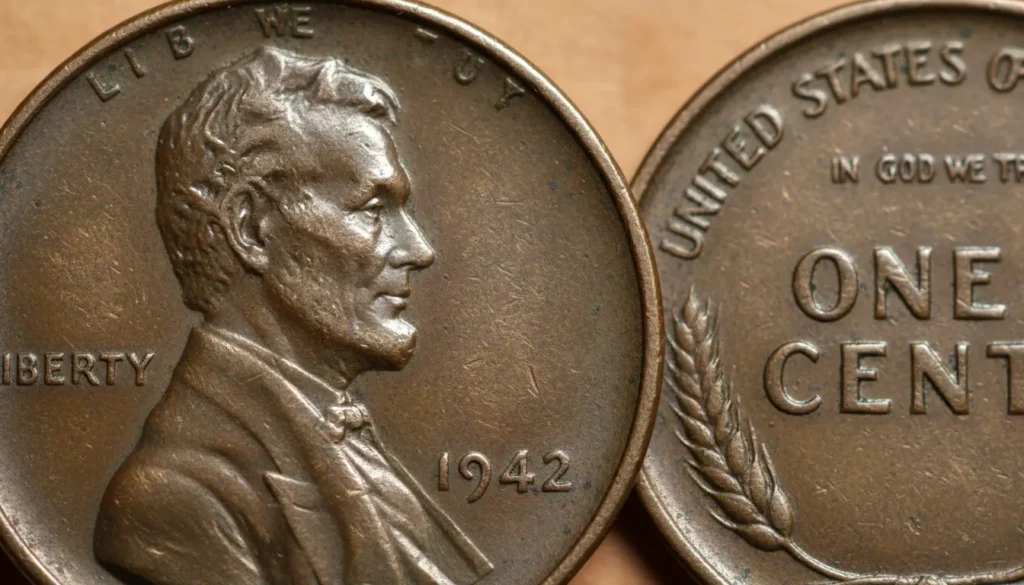
The most talked-about high-value Lincoln Wheat penny is a 1943 bronze (copper-alloy) cent produced in a year when most pennies were struck in steel. Because mint composition changed during World War II, a bronze penny made in 1943 is an error and extremely rare.
These bronze 1943 cents can command very high prices at auction when authenticated and well graded. Other Lincoln Wheat pennies can also be valuable, but the 1943 bronze variety is the one commonly associated with million-dollar sales.
Key identification points for the 1943 bronze Lincoln Wheat penny
- Date: Clearly marked 1943 on the obverse (front).
- Color: Copper/bronze color rather than silver-gray steel. Look for reddish-brown hues.
- Weight: Bronze cents weigh about 3.11 grams. Steel cents from 1943 weigh about 2.70 grams and are magnetic.
- Magnet test: A small household magnet will attract a steel cent but will not attract a bronze cent.
- Mintmark: Could be D, S, or no mintmark. Mintmark doesn’t affect the composition anomaly, but can affect rarity and value.
How to inspect a penny in circulation
Start with simple, non-invasive checks. You do not want to damage the coin and reduce its value.
- Visual check: Examine the coin in good light and use a magnifier to confirm the date.
- Color inspection: Is the coin reddish-brown (copper) or silver-gray (steel)?
- Magnet test: Hold a magnet near the coin. If it sticks, it is steel and not the bronze error.
- Weight test: If you have a precise digital scale, compare to the expected weight for bronze vs steel pennies.
What not to do
Do not clean, scrub, or polish the coin. Cleaning can permanently damage surfaces and severely lower collector value. Also avoid drilling, filing, or altering the coin in any way.
Authentication and grading steps
If initial checks suggest you might have a rare 1943 bronze penny, the next move is professional authentication. Professional grading companies will examine, attribute, and grade the coin. Look for NGC or PCGS certification for top sale results.
- Take clear, well-lit photos of both sides and the edge of the coin.
- Consult a reputable local coin dealer for a preliminary opinion.
- Submit to a professional grading service (PCGS, NGC) for authentication and grading.
Certified coins carry a much higher market value and are easier to sell at auction or through major dealers.
Value factors for Lincoln Wheat pennies
Several factors influence a penny’s value beyond its type or error status. Understanding these helps set realistic expectations.
- Rarity: How many confirmed examples of this variety exist?
- Condition/grade: Higher grades (less wear, strong strike) command higher prices.
- Provenance: A documented chain of ownership or discovery story can increase buyer confidence.
- Market conditions: Demand from collectors and investors affects sale prices.
Other valuable Lincoln Wheat pennies to watch for
While the 1943 bronze error is headline-grabbing, other Wheat cents can be worth significant amounts. Examples include:
- 1909-S VDB: Early cent with designer initials, scarce in high grades.
- 1914-D: Low mintage, sought-after by collectors.
- 1955 Doubled Die Obverse: Distinct doubling on the date and lettering makes it popular.
What to do if you find a likely 1943 bronze penny
If you think you found a bronze 1943 penny, take methodical steps to preserve and document it.
- Handle the coin by its edges and place it in a soft holder (mylar flip or archival envelope).
- Take photos and note where and when you found it.
- Visit a reputable coin dealer for a preliminary look.
- If promising, submit the coin to a major grading service for authentication.
Case study: A real-world discovery
A collector once found a 1943 penny in a jar of change that looked copper-colored. After confirming the date and performing a magnet test, the finder took photos and consulted a local dealer. The dealer recommended professional grading, and the coin was submitted to a major grading service.
After authentication confirmed the bronze composition, the certified coin was sold at auction. The sale attracted strong bidding because of the extreme rarity and clear documentation of discovery.
Most U.S. pennies struck in 1943 were made of zinc-coated steel to conserve copper for World War II. A bronze penny from that year is a rare production error and highly prized by collectors.
Final tips for coin hunters
Always keep expectations balanced. While rare pennies do surface from circulation, most Wheat cents are common and worth only face value or small premiums. However, careful inspection and proper handling can protect a potential discovery.
- Use a magnifier and magnet for quick checks at home.
- Document any suspected find with photos and notes.
- Seek professional authentication before selling or cleaning.
- Join a local coin club or online forum to learn from experienced collectors.
If you like searching jars, drawers, and piggy banks, keep an eye out for copper-colored 1943 pennies. With careful steps and professional help, you could be holding a remarkable piece of numismatic history.