Many people ask whether a Bicentennial Quarter in a pocket or jar could be worth a small fortune. This article explains what the Bicentennial Quarter is, what makes some examples rare, and how realistic a $1 million value would be. Follow practical steps to inspect, document, and sell a potentially valuable coin.
What Is the Bicentennial Quarter?
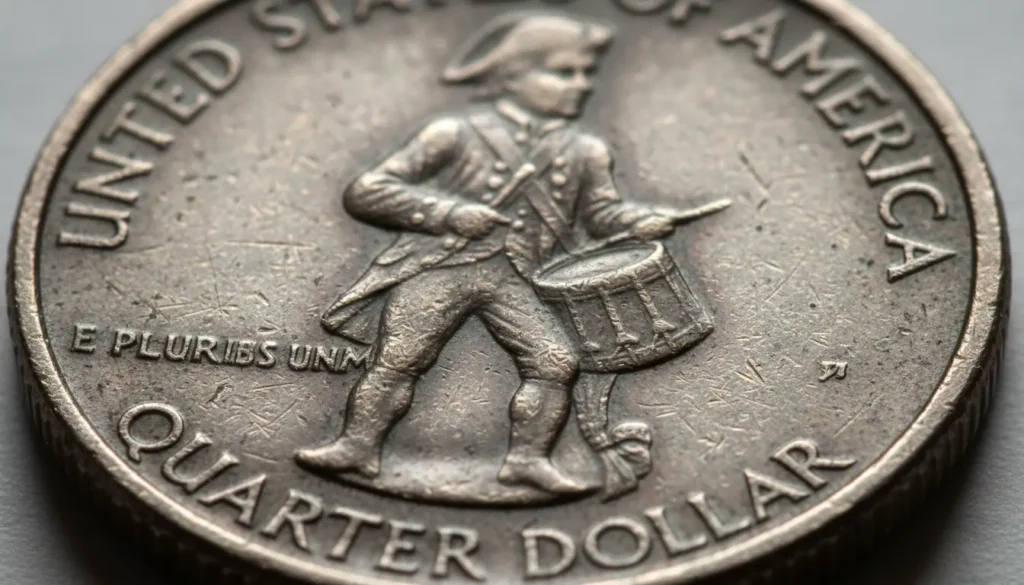
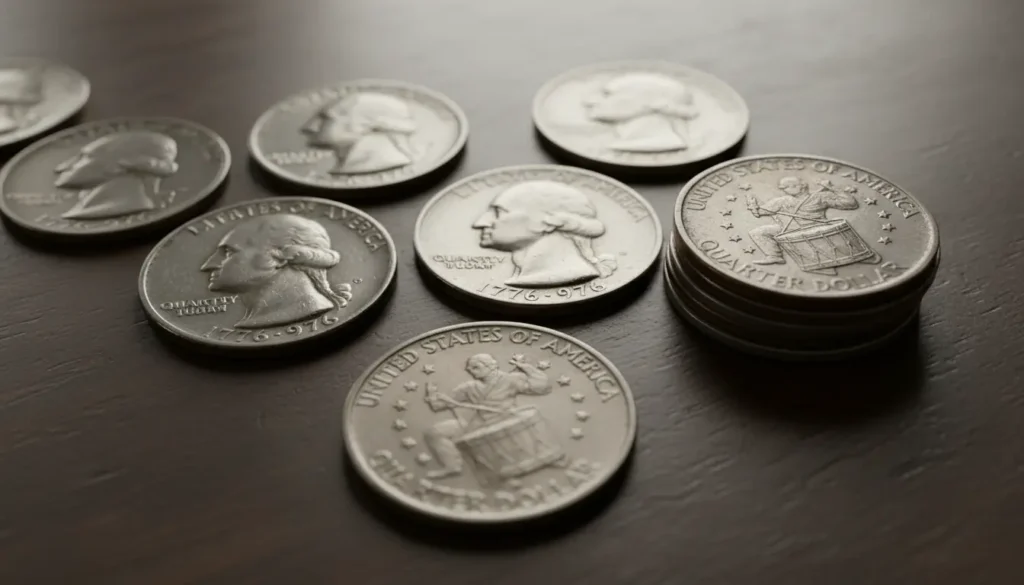
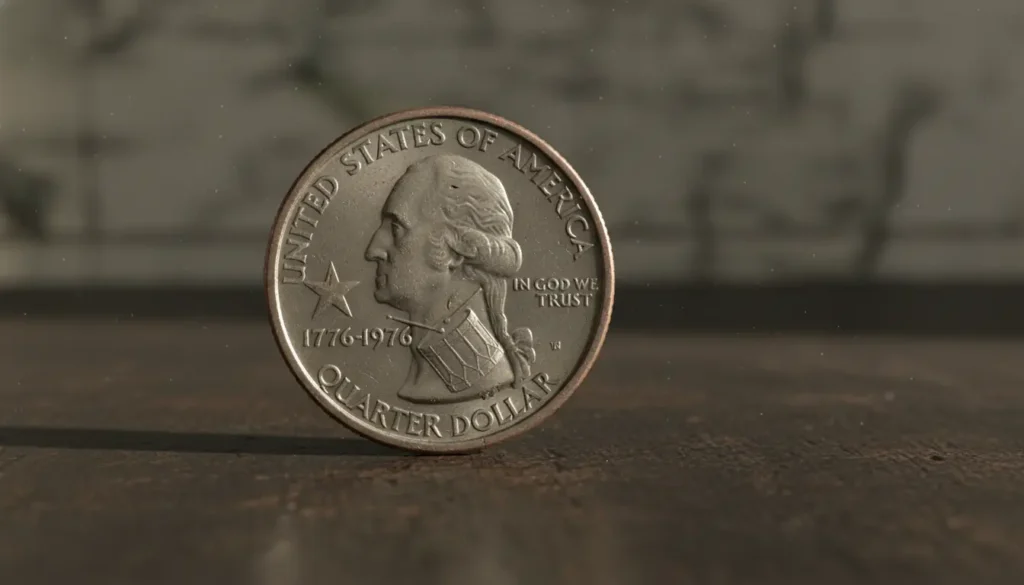
The Bicentennial Quarter was issued by the U.S. Mint for 1975–1976 to celebrate the 200th anniversary of American independence. The obverse retains Washington’s portrait, while the reverse features a colonial drummer with a drum and torch motif.
Coins are dated 1776–1976. They were produced at Philadelphia (no mint mark), Denver (D), and San Francisco (S). The San Francisco proofs also include 40% silver collector versions.
Could the Rare Bicentennial Quarter Be Worth 1 Million?
Short answer: almost certainly not. The Bicentennial quarter was produced in very large numbers, and common circulated examples are worth face value or slightly more to collectors.
That said, coins can reach very high prices under specific conditions. To consider a $1 million valuation, three strict criteria must be met: extreme rarity, unquestionable authenticity and grade, and high collector demand with documented provenance.
What Creates Million-Dollar Coin Value?
Historic auction records show that only a handful of coins ever reach seven-figure prices. These usually have unique historical importance or are the only known examples of a major mint error.
- Unique mint error or variety not known in other examples
- Proof or business strike preserved in flawless, graded condition (perfect 70 grade)
- Strong, documented provenance linking the coin to a famous collection or historical event
For Bicentennial quarters, none of these conditions are common. Millions were struck, and while silver proofs and high-grade specimens are desirable, they rarely approach six figures let alone $1 million.
Realistic Value Ranges for Bicentennial Quarter Types
- Circulated Bicentennial quarter: face value to a few dollars
- Uncirculated business strike (MS60–MS65): a few dollars to several tens of dollars
- High uncirculated grades (MS66+): tens to a few hundred dollars
- 1976-S 40% silver proof (high grade PR69–PR70): can be several hundred to low thousands
- Verified major errors (documented and unique): could reach high thousands or more, but million-dollar sales are not documented for this series
The Bicentennial quarter reverse was designed by Jack L. Ahr. The dual date 1776–1976 is used on all Bicentennial coins instead of the single year.
How to Check If You Have a Rare Bicentennial Quarter
Follow a simple checklist to assess any Bicentennial quarter you find. Start with non-destructive checks before seeking professional help.
- Identify the date and mint mark (look for D, S, or none).
- Weigh the coin: a standard clad quarter weighs 5.67 g; a 40% silver proof weighs slightly less but the easiest sign is the S mint mark and proof appearance.
- Inspect for errors: doubled die, off-center strikes, broadstrikes, planchet defects, or repunched mint marks.
- Check surface quality: eye appeal, scratches, and luster matter for grading.
If you find an obvious error or an exceptionally well-preserved specimen, photograph the coin and avoid cleaning it. Cleaning can destroy collector value.
How to Get Professional Authentication and Grading
If a coin looks unusual, submit it to a reputable grading service such as PCGS or NGC. Grading confirms authenticity and assigns a grade that greatly affects market value.
Expect turnaround time and fees. Provide good provenance and detailed photos when possible.
Case Study: High-Grade 1976-S Silver Proofs
Collectors prize 1976-S silver proof quarters from mint sets because they contain 40% silver and often show deep cameo contrast. Auction records and price guides indicate that high-grade 1976-S proofs perform best.
Example: A 1976-S quarter authenticated as a PR70 Deep Cameo will command significantly more than a typical circulated quarter. Such coins often sell for several hundred to a few thousand dollars depending on demand and auction conditions.
This case shows how grade and silver content raise value, but still remain far below a million dollars for known examples.
Next Steps If You Think You Have a Valuable Bicentennial Quarter
Take calm, methodical steps rather than acting on impulse. Follow these actions:
- Carefully photograph the coin from multiple angles using good lighting.
- Do not clean or polish the coin.
- Compare to online resources and price guides for Bicentennial quarter varieties.
- Contact a local coin dealer or a numismatic forum for an initial opinion.
- If the coin appears rare, submit it to NGC or PCGS for authentication and grading.
- Once graded, consider selling through a reputable auction house or established marketplace for coins.
Remember that the market decides value. Even authenticated rare coins fetch what buyers will pay at the time. Be realistic about expectations; most Bicentennial quarters are common, with only a few specialist examples commanding premium prices.
In summary, while the idea of a million-dollar Bicentennial Quarter makes for a great story, the reality is that such a sale would require an unprecedented combination of rarity, perfection, and provenance. If you believe you own a special example, document it carefully and pursue professional grading before exploring sale options.