Many collectors and casual holders wonder if a Bicentennial quarter in their change could be worth a fortune. The short answer is that most Bicentennial quarters are common and worth little above face value. However, a few rare varieties and major errors can be valuable — though a $1 million valuation is extremely unlikely.
The Rare Bicentennial Quarter Basics
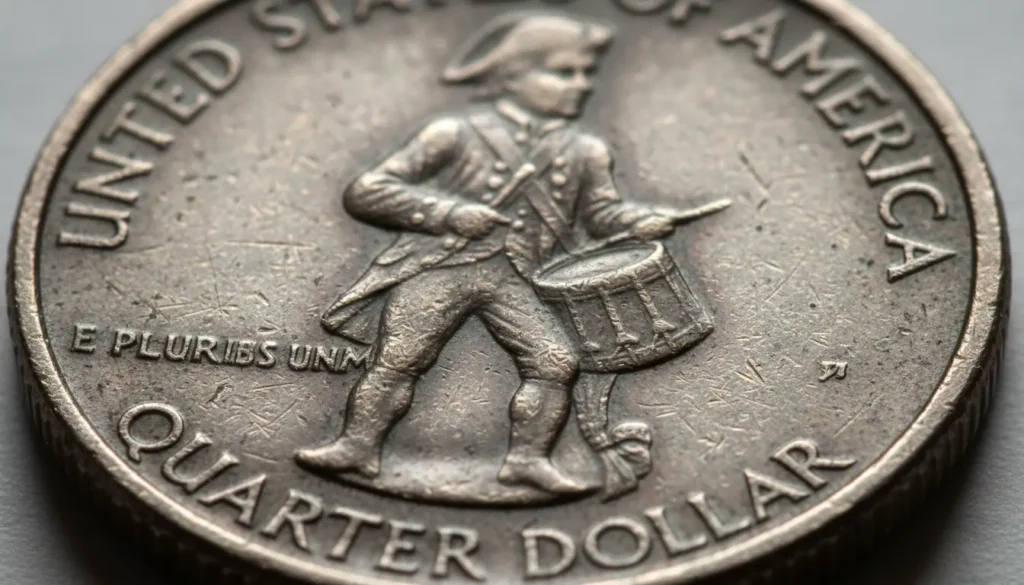
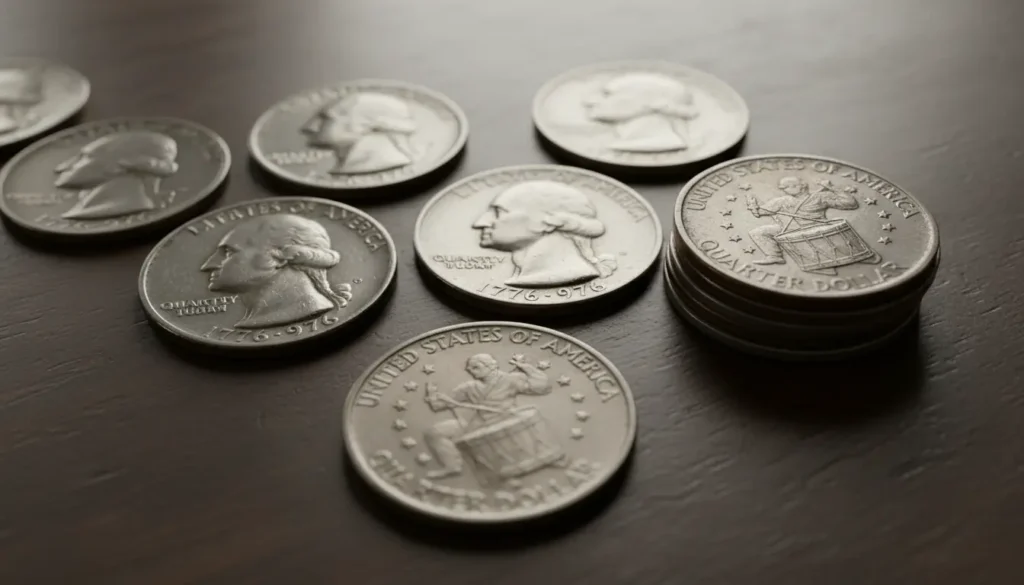
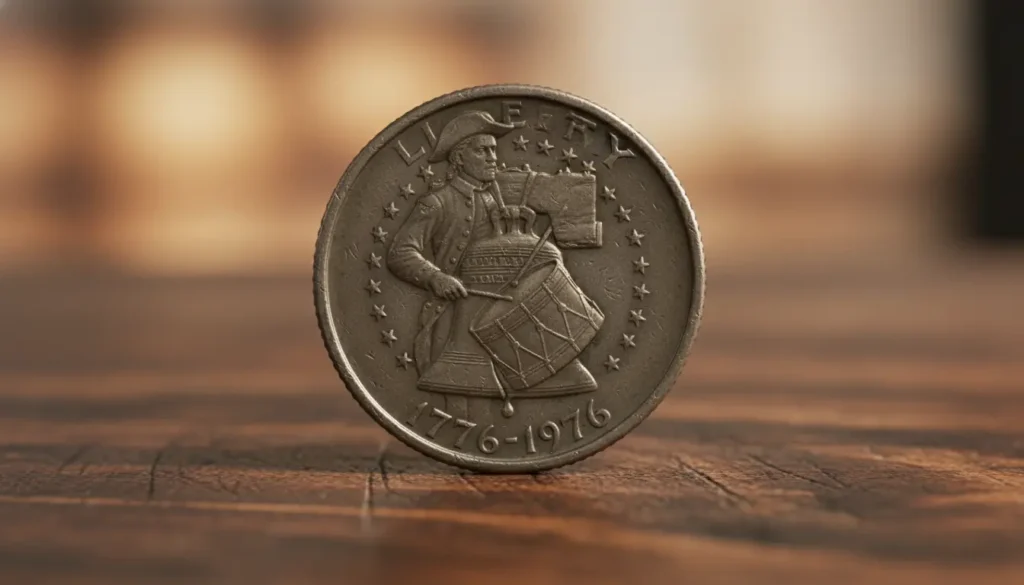
The Bicentennial quarter was issued in 1975 and 1976 to celebrate the United States Bicentennial. It features a special reverse design showing a colonial drummer and the dual date 1776–1976. Millions were minted, so ordinary examples are abundant.
Key points to check when evaluating a Bicentennial quarter:
- Date and mint mark (1976, with or without mint mark).
- Coin condition and grade (uncirculated vs. circulated).
- Type and series (business strike, proof, silver-clad proof, or errors).
Which Bicentennial Quarters Are Rare?
Most rare or valuable Bicentennial quarters fall into two categories: specialty mintages and significant errors. Collectors look for proof coins in high grade, silver-clad proofs from the San Francisco mint, and major striking errors.
Examples of potentially valuable types:
- Proof-S silver-clad quarters in perfect condition (highly graded by reputable services).
- Severe mint errors: off-center strikes, broadstrikes, or coins struck on the wrong planchet.
- Unusual die errors like double die obverse or reverse that are authenticated and graded.
Why Most Will Not Be Worth $1 Million
A $1 million value generally requires extreme rarity, high historical significance, or iconic status. Bicentennial quarters are modern and were produced in huge quantities. Even standout errors usually fetch thousands, not millions.
Factors working against million-dollar valuations:
- High original mintage and availability.
- Modern coins have many survivors in good condition.
- Market demand for a single modern quarter is limited compared with classic rarities.
How to Inspect a Bicentennial Quarter
Follow a systematic inspection to identify value cues. Start with simple checks you can do at home before seeking appraisal.
- Look for mint mark under the eagle (D for Denver, S for San Francisco, no mark for Philadelphia on some pieces).
- Check the rim and fields for signs of doubling, missing elements, or unusual metal exposure.
- Compare to trusted images of standard Bicentennial designs to spot anomalies.
Use a loupe (10x magnification) or a clear macro photo to document details you find.
Grading and Authentication
If you suspect a rare variety or major error, professional grading and authentication are essential. Grading companies assign a grade and verify authenticity, which greatly affects market value.
Steps to authenticate and grade:
- Document your coin with high-quality photos of both sides and the edge.
- Consult a reputable dealer or local coin club for an initial opinion.
- Submit the coin to a recognized grading service (PCGS, NGC, ANACS) if the potential value justifies the cost.
The 1976 Bicentennial quarter design was created by Jack L. Ahr. Millions were struck in circulation, proof, and silver-clad formats for collectors.
Realistic Market Values
Typical values vary by condition and type. Circulated Bicentennial quarters often trade at face value or a small premium. High-grade proofs and verified major errors can sell for hundreds to several thousand dollars.
What to expect:
- Common circulated Bicentennial quarter: near face value or $0.50–$2.
- High-grade uncirculated (MS65+): $10–$50 depending on grade and eye appeal.
- Proof and silver-clad proof in perfect condition: $20–$200 or more if graded highly.
- Major authenticated errors (severe off-center, wrong planchet): potentially hundreds to low thousands.
Case Study: When a Find Was Not a Million-Dollar Coin
A collector found a heavily off-center 1976 quarter in a roll at a flea market and hoped it might be worth a fortune. After taking photographs and showing it to a local dealer, it was identified as a moderate off-center strike with no unique planchet. The dealer advised grading would likely cost more than the expected sale value. The coin later sold to a specialty error collector for a few hundred dollars.
This example shows the typical path: discovery, preliminary opinion, realistic pricing, and sale to a niche buyer rather than a sensational headline price.
Practical Steps if You Think You Own a Rare Bicentennial Quarter
Follow this checklist to move forward efficiently and avoid unnecessary costs.
- Document the coin with clear photos and notes about where you found it.
- Get an initial opinion from a reputable coin dealer or club.
- Weigh grading costs against likely market value before submitting the coin to a grading service.
- Consider selling through specialty auction houses or error-coin dealers if the coin is an unusual error.
Final Thoughts on Million-Dollar Claims
Headlines that suggest a common Bicentennial quarter could be worth $1 million are almost always misleading. While rare varieties and major errors can be valuable, the Bicentennial quarter’s production scale makes a seven-figure valuation extremely unlikely.
Be practical: document, verify, and consult experts. That process will give you a realistic estimate and help you decide whether grading or selling makes sense.
For most people, a Bicentennial quarter in a pocket is a neat piece of history, worth more in story than in cash. But a careful inspection and the right expert advice can identify the genuine exceptions.