How a Bicentennial Quarter Could Become Valuable
The 1976 Bicentennial quarter is common in circulation, but a few factors can push any coin’s value far above face. Rarity, condition, minting errors, and provenance are the main drivers collectors pay for.
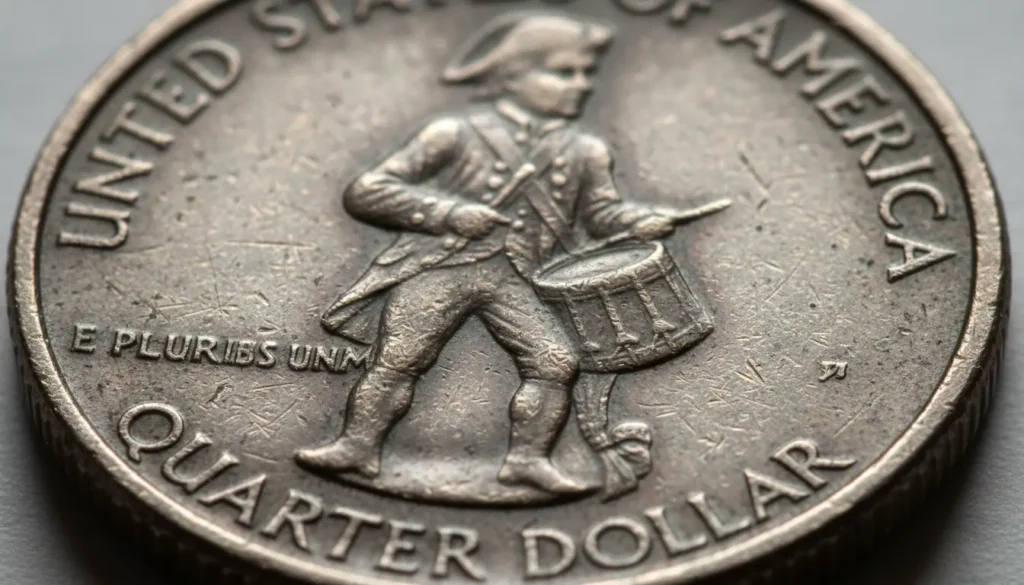
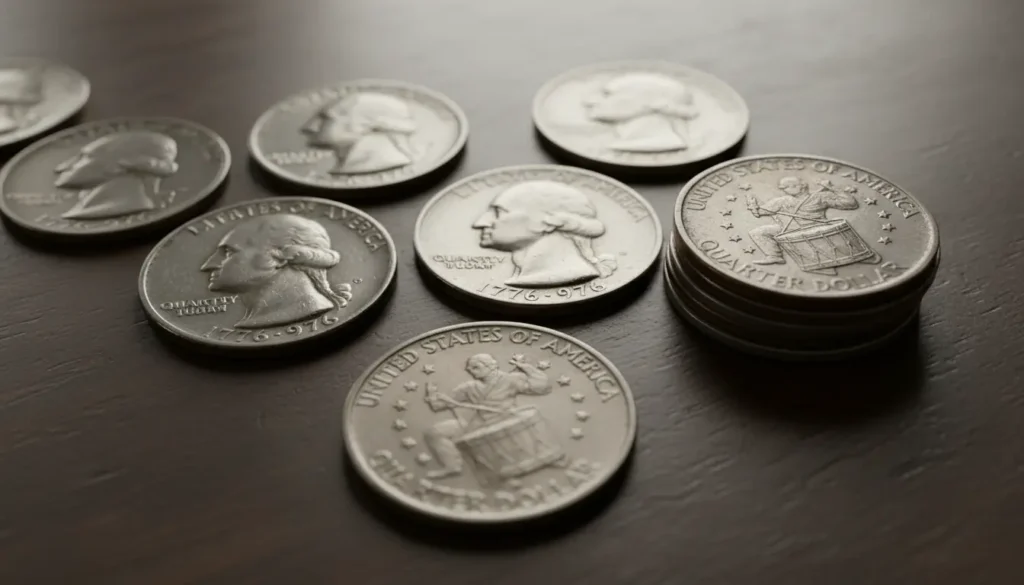
Most Bicentennial quarters show the dual date 1776–1976 and the special drummer reverse. Only a handful of examples achieve notable collector interest.
Key value factors for the Bicentennial Quarter
- Mint state and grade – Higher professional grades (MS/PR 65+) increase prices.
- Mint mark and special issues – Proof silver strikes (1976-S) and special sets are more collectible.
- Errors and varieties – Double dies, off-center strikes, and planchet errors can add value.
- Provenance and uniqueness – Presentation pieces or coins with clear, rare history attract premium bids.
Could a Bicentennial Quarter Be Worth $1 Million?
Short answer: It is extremely unlikely. For a Bicentennial quarter to reach a seven-figure price, it would need to be unique globally or linked to extraordinary provenance.
Most high-selling U.S. coins at the million-dollar level are rare early-dated pieces, pattern coins, or extremely limited errors from the 18th or 19th century. Modern quarters, even unusual ones, rarely reach those heights.
What would it take?
Realistically, a $1 million sale would require one or more of the following:
- A one-of-a-kind mint error never before seen and authenticated by major grading services.
- An official pattern or trial piece from the U.S. Mint with documentation linking it to a notable event or person.
- Exceptional collector demand driven by rarity, grade, and provenance combined.
How to Check If Your Bicentennial Quarter Is Rare
Start with a careful visual inspection under good light and a 10x loupe. Look for unusual features, doubled images, missing elements, or irregular planchet surfaces.
Follow this checklist:
- Confirm the date: look for 1776–1976 on the reverse.
- Note the mint mark: D, S, or none. Proof coins usually have an S and may be 40% silver in special sets.
- Inspect for errors: off-center strike, clipped planchet, die breaks, or doubling.
- Assess wear: uncirculated faces and full luster are favored.
When to get a professional opinion
If you find something strange, photograph the coin and consult a reputable coin dealer or submit images to a coin grading service for an opinion. For suspected high-value items, professional grading by PCGS or NGC is the standard.
Real Steps to Establish Value
Use this practical process to move from discovery to sale:
- Document the coin: date, mint mark, dimensions, and clear photos.
- Research comparable sales: auction records and dealer price guides.
- Get authentication and grading for suspected rare pieces.
- Choose a sale channel: auction house, specialist dealer, or private sale depending on rarity.
The Bicentennial designs were minted for circulation in both 1975 and 1976 but bear the dual date 1776–1976. Special proof sets were also struck in silver for collectors.
Common Values and Realistic Expectations
Typical values are modest. Most circulated Bicentennial quarters are worth face value. Uncirculated coins and regular proofs may fetch a few dollars to tens of dollars depending on grade.
Errors and high-grade proofs command more interest. Small auction sales for error examples often range from a few hundred to several thousand dollars, not close to seven figures.
Case study: A high-grade error sale
A regional auction sold a dramatic die-error Bicentennial quarter for several thousand dollars after authentication. The coin featured a large die break and strong strike details, and collectors paid a premium for its rarity and condition.
This example shows how uniqueness and verified authenticity can lift value sharply—but still within realistic ranges for modern quarters.
If You Think You Have a Rare Piece
Take calm, careful steps. Avoid quick public claims of a million-dollar coin before authentication. False hype can hurt your negotiating position and attract low offers.
Recommended actions:
- Keep the coin protected in a holder to avoid further wear.
- Document everything and get clear photographs from multiple angles.
- Seek authentication from a major grading service if you suspect an error or exceptional grade.
- Consult multiple reputable dealers or an auction house for valuation and sale strategy.
Final Takeaway
Could a Bicentennial quarter be worth $1 million? In theory, yes—but only in an extremely rare scenario: a unique, authenticated error or pattern piece with compelling provenance and collector demand. For most people, sticking coins in a jar is more likely to keep them at face value.
If you find a Bicentennial quarter that looks unusual, document it and seek expert advice. That is the practical route to uncovering real value without unrealistic expectations.