Why the Bicentennial Quarter still matters
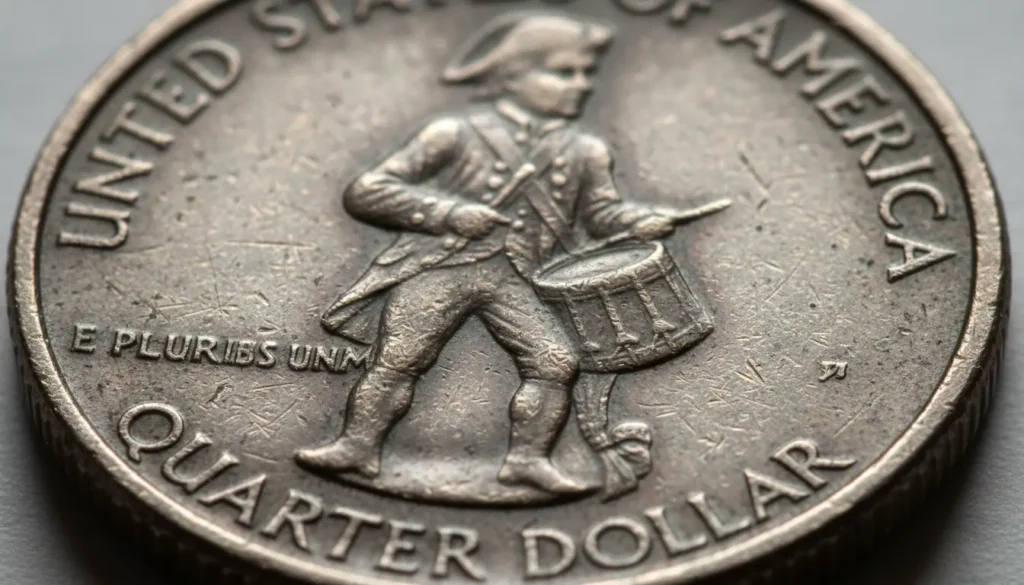
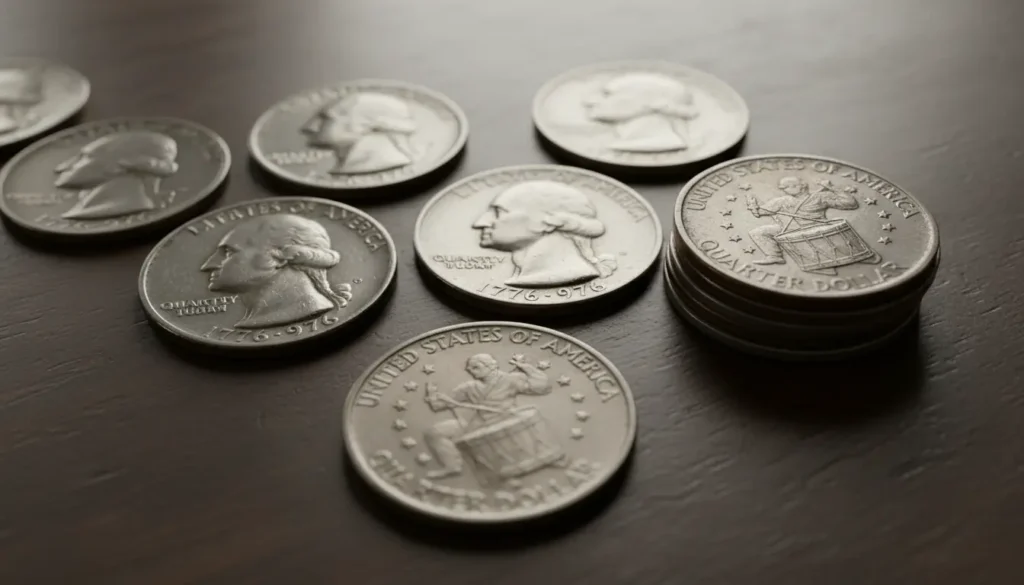
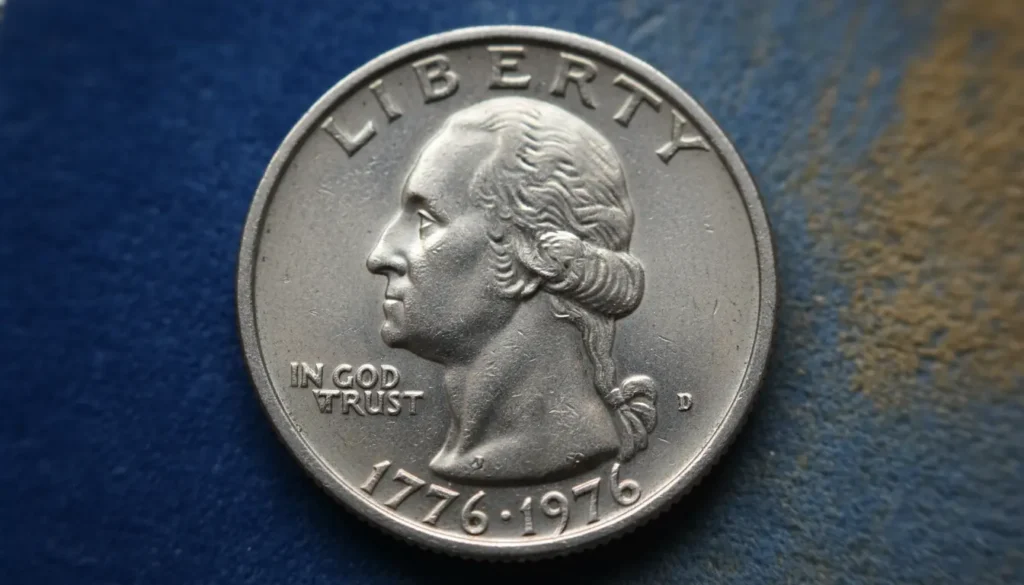
The Bicentennial quarter was issued in 1975 and 1976 to celebrate the United States Bicentennial. It has a distinctive dual date 1776–1976 and an eagle-on-drum reverse that set it apart from earlier quarters.
Most Bicentennial quarters are common and worth face value. But certain varieties, errors, and high-grade specimens can be much more valuable to collectors.
How a Bicentennial Quarter could be worth a lot
There are a few realistic paths that could push a Bicentennial quarter into the thousands or more. Extreme rarity, dramatic mint errors, and perfect grading all raise a coin’s market price.
Understand these factors before assuming you have a million-dollar coin. Value depends more on specific traits than on the date or design alone.
Key value factors for the Bicentennial Quarter
- Mint mark and mintage: Coins from Philadelphia, Denver, and San Francisco had different production runs and proof issues.
- Mint state grade: Higher grades (MS65 and above) command big premiums, especially Mint State 67–70.
- Error types: Struck-through coins, misaligned dies, double dies, and planchet errors are especially collectible.
- Variety and provenance: Known rarities or coins with verified auction history sell for more.
Common error types that raise value
Collectors look for errors that are dramatic and verifiable. Minor blemishes do not add much value; clear, unusual mistakes do.
- Clipped planchet — a part of the coin missing due to a miscut metal strip.
- Double die obverse or reverse — especially visible doubling on lettering or dates.
- No-clad or wrong planchet — a copper-colored quarter or one missing the outer layer.
- Off-center strike — attractive when a large portion of the design is missing.
How grading influences value
Professional grading from PCGS or NGC provides a standardized condition score. A certified high-grade Bicentennial quarter is easier to sell and can bring much higher bids at auction.
Grades from MS60 to MS70 represent mint state coins. The difference between MS65 and MS68 can mean thousands of dollars for a sought-after variety.
Practical steps to check if your Bicentennial quarter is valuable
Start with a careful visual inspection using a magnifier and good light. Look for doubling, off-center strikes, or unusual colors.
If you suspect an error or exceptional grade, use the following checklist:
- Photograph both sides clearly and from multiple angles.
- Compare against reference images in trusted coin catalogs or on grading service websites.
- Ask for opinions on reputable collector forums, then consult a local coin dealer.
- Consider professional grading if the coin looks rare or in very high condition.
Case study: A realistic collector scenario
A weekend collector found a Bicentennial quarter while sorting a small inherited coin lot. The coin showed clear doubling on the date and doubled letters on the reverse.
The collector photographed the coin, posted images to a specialist forum, and took it to a local numismatist. Experts suggested it might be a significant double-die variety and recommended professional authentication.
After third-party grading confirmed a recognized double-die and assigned a high mint state grade, the coin sold at a specialized auction for a price well above face value, demonstrating how following verification steps can turn a curiosity into a collectible sale.
Realistic value expectations
Most circulated Bicentennial quarters are worth 25 cents to a few dollars. Higher-grade uncirculated coins often sell for tens to a few hundred dollars.
Highly certified errors and ultra-high-grade pieces can reach the low thousands or more, depending on rarity and market demand. Million-dollar values are exceedingly unlikely and hinge on an extraordinary, verifiable rarity together with strong collector demand.
Pricing tips and selling options
- Sellers should gather documentation and grading reports before listing in major auction houses or specialist marketplaces.
- Use multiple channels: local dealers, auction houses, and online numismatic marketplaces each attract different buyers.
- Keep realistic reserve prices and expect negotiation. Rare coin markets can be volatile.
Although produced in huge numbers, the Bicentennial quarter remains popular among new collectors because it marked a national event and was widely circulated, creating many interesting error finds.
Final checklist before you get hopeful
Don’t assume rare value from appearance alone. Follow a methodical approach to assessment and selling to get the best outcome.
- Inspect carefully and photograph both sides.
- Compare to reference guides and seek expert opinions.
- Get third-party grading for suspected high-value coins.
- Choose a reputable sales channel with proven results.
With careful evaluation and proper authentication, a Bicentennial quarter with exceptional features can be worth significantly more than face value. Million-dollar outcomes, however, are extremely rare and require extraordinary circumstances.