Many people imagine finding a million-dollar coin in loose change. The 1976 Bicentennial quarter sometimes appears in these stories because it is widely collected and has known varieties and errors. This article explains what makes a Bicentennial quarter collectible, how to inspect one, and how realistic the million-dollar idea really is.
What Is the Bicentennial Quarter?
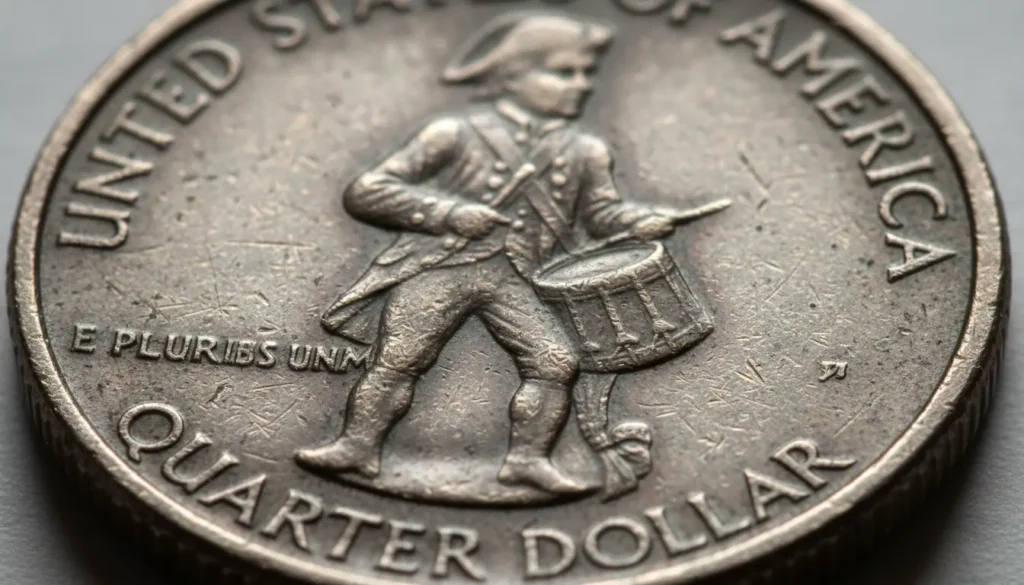
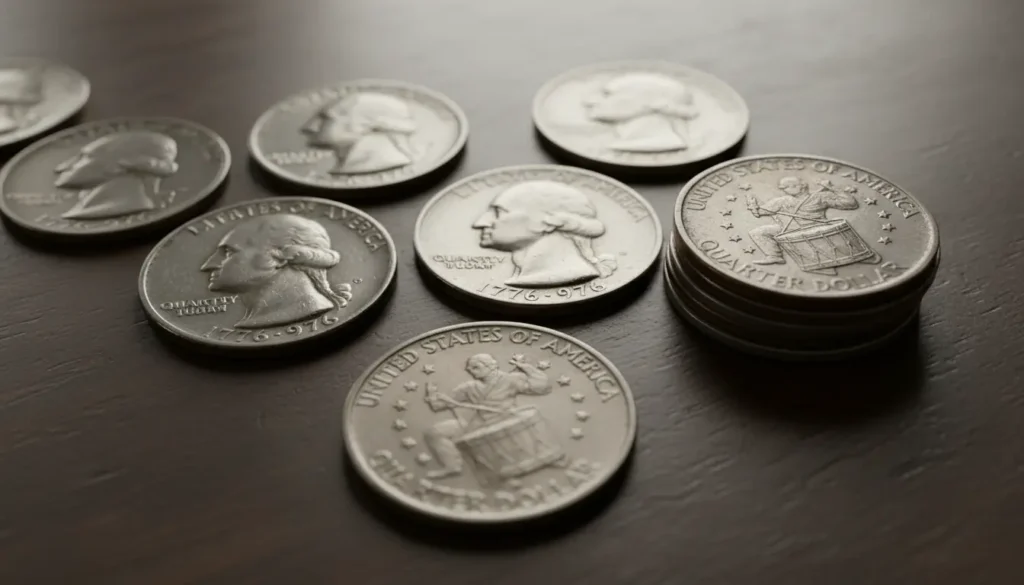
The Bicentennial quarter was issued in 1975–1976 to mark the United States Bicentennial. Instead of the regular eagle-on-reverse design, the quarter bears a colonial drummer and the dual date 1776–1976.
The coin was struck in large numbers for circulation and in special 40% silver proofs for collectors. Most quarters are common, but some rare varieties and strong error strikes attract interest from numismatists.
Could a Bicentennial Quarter Be Worth One Million?
Short answer: almost certainly not. The overwhelming majority of Bicentennial quarters are worth little more than face value or modest premiums for mint condition. However, a few extreme errors or unique provenance pieces can be valuable.
Reaching a seven-figure price for a common commemorative issue would require a truly unique attribute: an unprecedented error, an absolute rarity with verifiable provenance, or a previously unknown pattern or mule linked to the mint’s records.
Key factors that raise Bicentennial quarter value
- Rarity: Very low mintage or one-of-a-kind errors.
- Type of strike: Proof coins, especially 40% silver proofs, are more desirable than circulated pieces.
- Errors and varieties: Off-center strikes, double dies, broadstrikes, or die clashes can add significant value.
- Condition and grade: High grades from reputable services (PCGS, NGC) command premiums.
- Provenance: Coins linked to historical events, famous collections, or well-documented finds sell better.
Realistic top values and examples
Most high-grade Bicentennial quarters sell in the low hundreds to low thousands of dollars depending on grade and eye appeal. Error coins can fetch more, but there are very few documented sales approaching even five figures.
Expectations should be grounded in auction records and price guides rather than sensational headlines. The chain of custody and professional grading are critical when asking high prices at auction.
How to Inspect a Bicentennial Quarter
Follow these practical steps to evaluate a Bicentennial quarter in your possession. Use simple tools and careful observation before assuming it is exceptionally valuable.
- Check the date and mint mark: Look for 1776–1976 and a mint mark (D, S, or none). Proofs usually come from the San Francisco (S) mint with a doubled-finished appearance.
- Examine condition: Use a magnifier or loupe (10x) and look for wear, scratches, and luster. Higher grade equals higher value.
- Look for errors: Off-center strikes, doubled dies, clipped planchets, and broadstrikes are common error types to watch for.
- Weigh the coin: A 40% silver proof quarter from 1976-S will have a slightly different weight and sound than the clad circulation type.
- Compare photos: Use reliable coin databases and auction archives to compare photos and known varieties.
When to get professional help
If you find a significant error, a perfect uncirculated specimen, or a coin with an unusual appearance, seek professional grading. A certified grade from NGC or PCGS will authenticate and greatly improve marketability.
A professional coin dealer or numismatic organization can also help verify rarity and advise on the best selling channels.
Case Study: How a Collector Tested a Suspected Rare Quarter
A collector found a Bicentennial quarter with an off-center strike and heavier-than-usual relief. They followed a step-by-step approach: document the coin with photos, compare with known error types online, weigh the coin, and consult a local reputable dealer.
The dealer recommended submission to a grading service. After authentication and grading, the coin attracted interest from specialized error coin collectors and sold at auction for a significant premium over face value. The process shows the practical path from discovery to sale.
Practical Advice if You Think You Have Something Valuable
- Do not clean or alter the coin; cleaning can destroy value.
- Document the coin with clear, well-lit photos from multiple angles.
- Use reputable references and auction databases to compare similar sales.
- Consult a trusted coin dealer or submit the coin for professional grading if it appears rare.
- Be realistic about odds: most Bicentennial quarters are common, but verified unusual errors and exceptional proofs can be worth collecting and selling.
Finding a million-dollar Bicentennial quarter in pocket change is extraordinarily unlikely, but understanding the factors that drive value will help you identify coins worth further investigation. Follow the inspection steps, document carefully, and get professional verification when warranted.