The idea that a Bicentennial quarter from 1976 could be worth $1 million is a dramatic headline you may have seen. In practice, valuation depends on a few concrete factors: mintage, metal content, condition, and verified errors. This article explains how to evaluate a Bicentennial quarter and what to realistically expect.
What Is the Bicentennial Quarter?
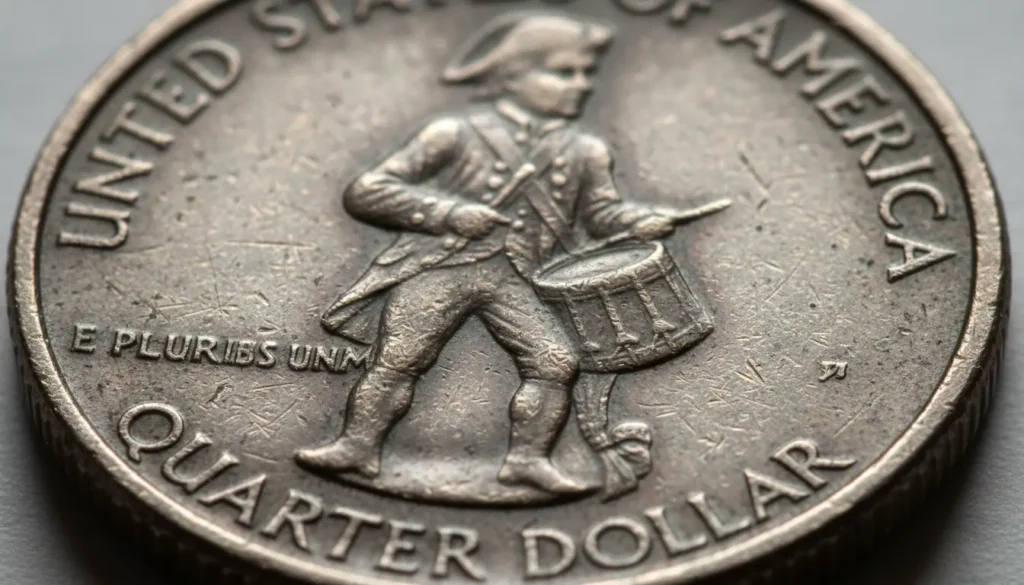
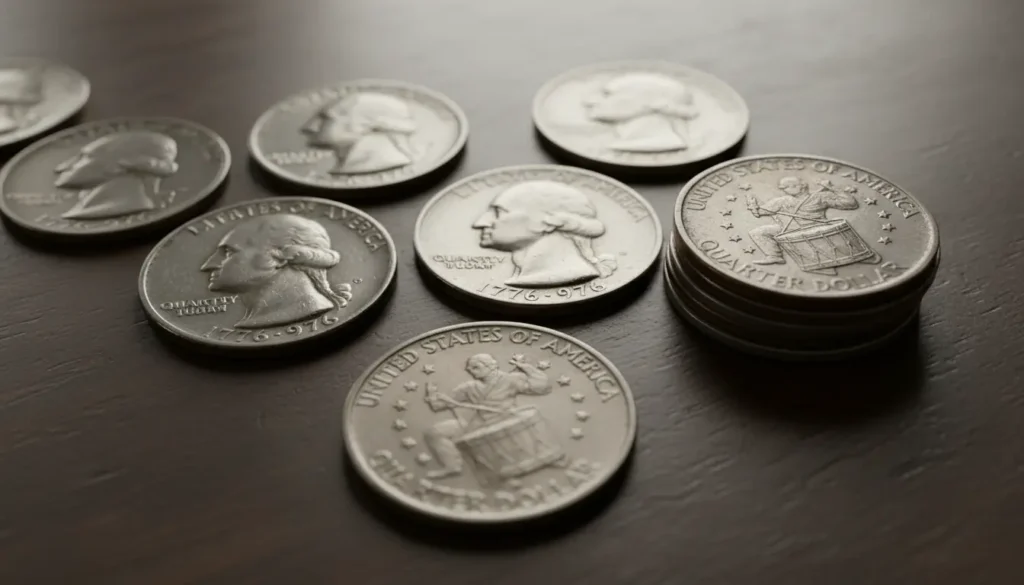
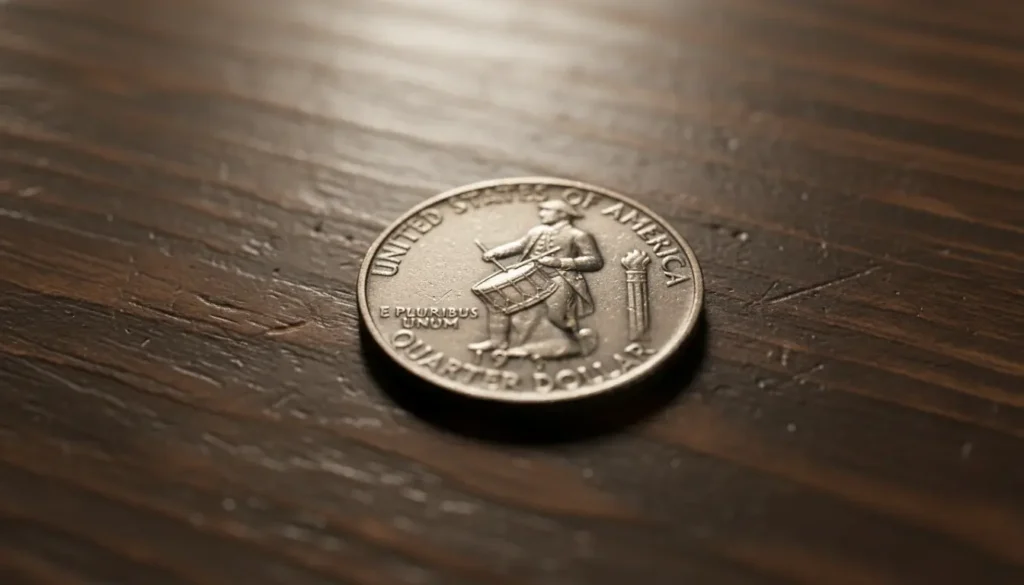
The Bicentennial quarter was issued in 1975–1976 to celebrate the 200th anniversary of American independence. The reverse design shows a colonial drummer and the dual date “1776–1976.” Millions were produced in Philadelphia and Denver, with special proof issues from San Francisco.
Because so many were struck, most Bicentennial quarters are common in circulation. High-dollar values only occur with exceptional conditions, rare varieties, or authentication of a genuine error coin.
How to Identify a Rare Bicentennial Quarter
Start by examining three basics: mint mark, metal, and condition. These initial checks filter out most coins that are common and low value.
- Mint mark: Look at the obverse or reverse for D (Denver), S (San Francisco), or no mark (Philadelphia, depending on the location). Proofs are usually from S.
- Metal: Most Bicentennial quarters are copper-nickel clad. Silver-clad proof quarters (40% silver) came in some proof sets; silver content affects collector interest.
- Condition: Coins are graded from Good to Mint State to Proof. Higher grades dramatically increase value.
Common Rare Varieties and Errors
Find errors or unusual strikes to identify potential rarity. Examples include:
- Off-metal strikes (a quarter struck on a different planchet)
- Double die obverse or reverse
- Clipped planchets or broadstrikes
Errors can be valuable, but they must be authenticated and documented by a reputable grading service to command high prices.
Could a Bicentennial Quarter Be Worth $1 Million?
A single Bicentennial quarter reaching $1 million is extremely unlikely. No widely recognized sale records support a genuine 1976 quarter commanding that price. Most circulated examples are worth face value to a few dollars, while high-grade proofs and authenticated errors can reach into the hundreds or low thousands.
Market conditions, collector interest, and proven rarity drive prices. A million-dollar valuation would require an unprecedentedly rare and verifiable variety with flawless provenance and demand from deep-pocket collectors.
Realistic Value Ranges
- Circulated common quarters: face value to a few dollars
- Uncirculated mint state (MS60–MS65): modest premiums, often $10–$200
- High-grade proofs and silver proofs: can be several hundred dollars
- Authenticated significant errors: range widely from hundreds to low thousands
The 1976 quarter reverse was designed by Jack L. Ahr and features a colonial drummer. The dual date 1776–1976 appears on the obverse under Washington’s portrait for that bicentennial issue.
Step-by-Step: How to Check Your Bicentennial Quarter
Follow a simple process to determine if your coin warrants further action.
- Inspect visually for mint mark and obvious errors. Use a magnifier and good light.
- Weigh the coin: standard copper-nickel quarter weight is 5.67 grams. Deviations may indicate an off-metal strike.
- Compare to reference images from trusted sources (PCGS, NGC, or U.S. Mint guides).
- If you suspect a significant error or high grade, submit the coin to a third-party grading service (PCGS or NGC) for authentication.
- Search auction records and price guides to estimate value after grading.
When to Get Professional Help
Send the coin for professional grading if you see unusual features or if initial research suggests a high value. Grading provides a clear, market-accepted assessment and protects you from seller or buyer disputes.
Professional grading has costs, so reserve it for coins that could reasonably justify the fee based on rarity or condition.
Small Case Study: A Collector’s Experience
A hobbyist found a Bicentennial quarter among loose change and noticed an odd edge and unusual luster. They followed the steps above: inspected the coin, weighed it, and compared it to online references.
Finding signs of an off-metal strike, the collector submitted the coin to a grading service. The authentication confirmed an error strike, and the coin sold at a specialist auction for several hundred dollars. The sale covered grading and auction fees and provided a modest profit.
This example shows that careful examination and proper authentication can turn a discovered curiosity into a verified collectible. But it also illustrates the realistic ceiling: most finds will not reach six-figure values.
Practical Tips for Collectors
- Keep coins safe: store in acid-free holders or flips to preserve condition.
- Document provenance: record where and when you found the coin to support provenance claims.
- Use reputable graders and dealers: avoid online appraisals that are unverified.
- Educate yourself: join local coin clubs or online forums to learn common errors and distinguishing marks.
In short, while the headline idea of a Bicentennial quarter worth $1 million makes for a good story, the reality is grounded in mintage numbers, condition, and verified rarity. Most Bicentennial quarters are common, and exceptional values arise only after careful authentication and clear market demand.
If you think you own an unusual Bicentennial quarter, follow the steps above: inspect, research, and use professional grading for any coin that could be valuable. That measured approach gives you the best chance to find real value without falling for unlikely hype.