What is the Bicentennial Quarter?
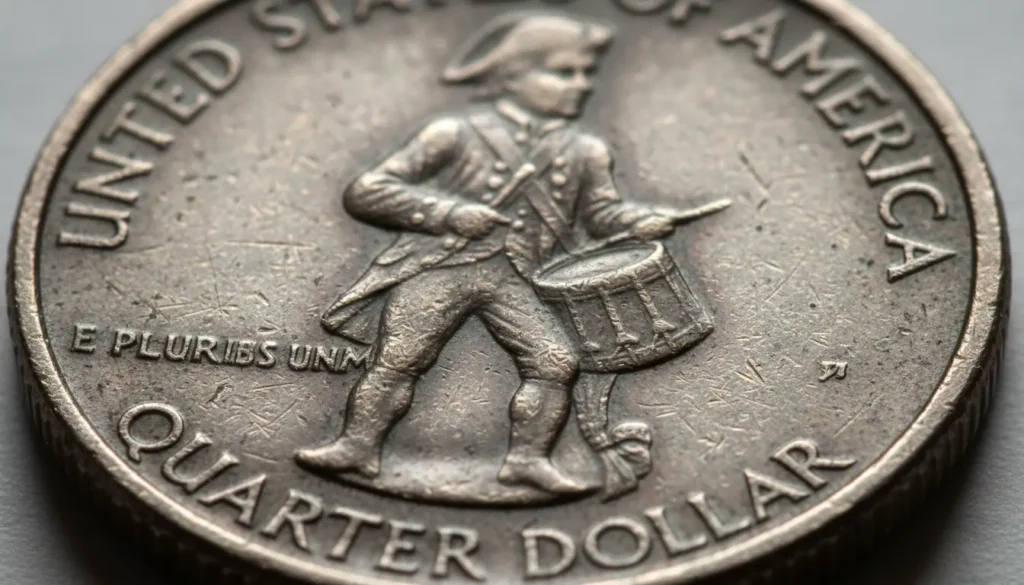
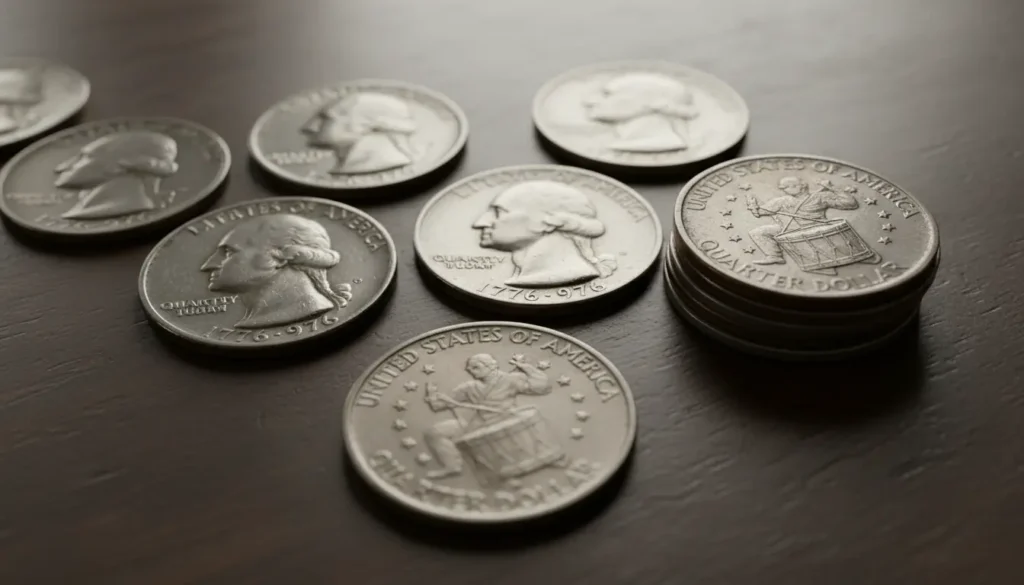
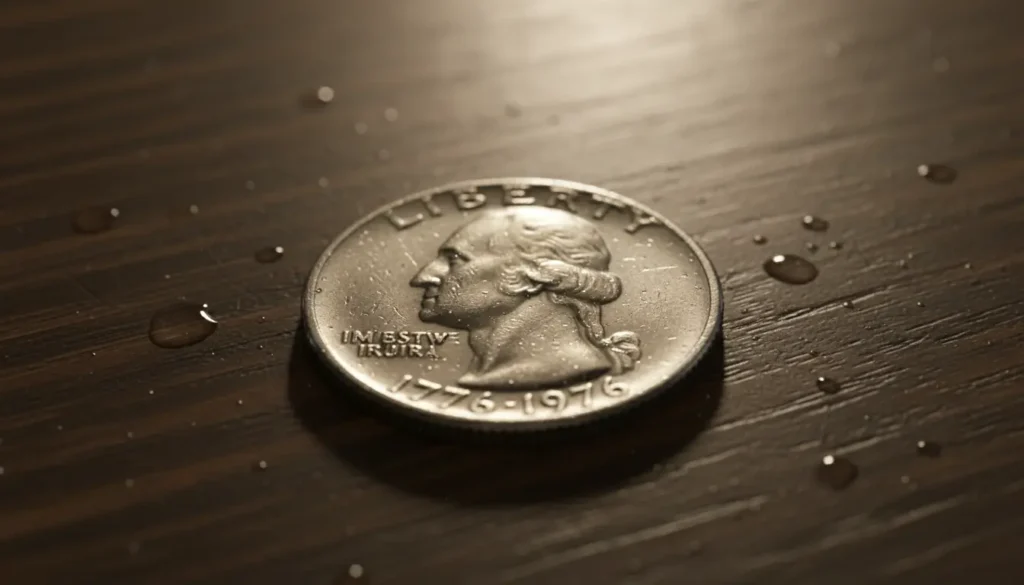
The Bicentennial Quarter is the U.S. 25-cent coin struck to mark the 200th anniversary of American independence. It carries the dual date 1776–1976 and the distinctive drummer boy reverse design.
Millions were produced for circulation, plus collector versions issued in special sets. Because of those huge mintages, most Bicentennial Quarters are common and worth only face value to a few dollars.
Could a Bicentennial Quarter Be Worth $1 Million?
Short answer: extremely unlikely. Coin values are driven by scarcity, demand, condition, and documented provenance. While rare error coins and perfect-graded specimens can be valuable, reaching a seven-figure sale price for a Bicentennial Quarter is effectively unheard of.
Collectors have paid large sums for certain modern rarities, but Bicentennial Quarters were produced in numbers that make a true million-dollar scarcity improbable.
The Bicentennial design appeared on the quarter, half dollar, and dollar in 1975–1976. Special 40% silver-clad pieces were included in collector sets, which are more desirable than standard circulation strikes.
Which Bicentennial Quarters Are Worth More?
Most valuable Bicentennial Quarters fall into these categories:
- High-grade uncirculated (MS) or proof (PR) specimens
- Silver-clad collector issues and proofs
- Recognized mint errors and varieties (off-center strikes, clipped planchets, strong doubling)
- Coins with extraordinary provenance or registry competition appeal
Any coin that combines rarity, strong eye appeal, and an authoritative grade from a top grading service (PCGS or NGC) will command a premium.
Silver-clad and Proof Issues
Special collector sets included silver-clad quarters which were struck to a different standard than circulation coins. These silver-clad pieces generally bring higher prices than common clad quarters.
Proofs with deep cameo contrast and perfect surfaces are also sought after, especially when graded at the top levels.
How to Check Your Bicentennial Quarter
Follow these practical steps before assuming you’ve found a treasure:
- Inspect the date and design: confirm the dual date 1776–1976 and the drummer reverse.
- Check the edge and color: silver-clad pieces may look different at the rim compared with copper-nickel clad coins.
- Use a 10x loupe: look for mint errors such as doubling, off-center strikes, or clipped planchets.
- Compare with known references: use PCGS, NGC, or Krause catalogs and online price guides for listings and photos.
- Consider professional grading: if a coin appears flawless or error-bearing, send it to PCGS or NGC for authentication and grading.
Tools You’ll Need
- 10x jeweler’s loupe
- Soft gloves or clean fingers to avoid fingerprints
- Digital scale and caliper (optional) for precise measurements
- Access to online price guides and auction records
Authentication and Grading
Professional grading matters. A high grade (MS67–MS70 or PR67–PR70) from PCGS or NGC can transform a common coin into a collectible and makes it easier to sell at auction.
Submit only coins that appear exceptional or show clear error characteristics. Grading costs money, so balance the potential return against submission fees.
Real-World Example: A Practical Case Study
Example: A homeowner sorting estate change found a 1976 quarter that looked unusually sharp and mirrored. The coin showed no wear and strong contrast under a loupe, so the finder researched price guides and discovered it matched descriptions of a silver-clad proof strike.
After submitting the coin to a grading service, the piece received a high proof grade and sold to a collector at auction for several thousand dollars. The sale was a reminder that careful inspection and proper authentication can uncover real value, even if not reaching millionaire levels.
Red Flags and Scams to Avoid
Be cautious of appraisers promising miraculous million-dollar values. Always verify claims using independent price guides and auction results.
Avoid selling to buyers who pressure you to accept a low offer or ask for upfront fees. Use established auction houses or reputable dealers and insist on documented provenance and grading where possible.
Action Plan: What To Do If You Think You Have a Rare Quarter
- Handle the coin carefully and keep it in a soft holder.
- Take clear photographs under good light and examine the coin with a loupe.
- Compare to online resources: PCGS, NGC, and auction archives.
- If it looks exceptional, submit it to a reputable grading service for authentication.
- Choose a reputable auction house or dealer to consign the coin if graded highly.
Final Takeaway on Value and Expectations
The romantic idea of finding a million-dollar coin in everyday pocket change is a great story, but the reality is far more measured. Bicentennial Quarters can be valuable, especially in top grades or with rare errors, but most will not approach seven-figure values.
Use a careful, evidence-based approach: inspect, research, and, when indicated, get professional authentication. That process will tell you whether you’ve found a modest treasure or a common coin.