Many people still carry old coins in jars or pocket change. The 1976 Bicentennial Quarter is common, but a few rare varieties and errors can increase value dramatically. This article explains how to check your coins, what raises prices, and whether a quarter could ever approach extreme prices like $1 million.
How to Identify a Rare Bicentennial Quarter
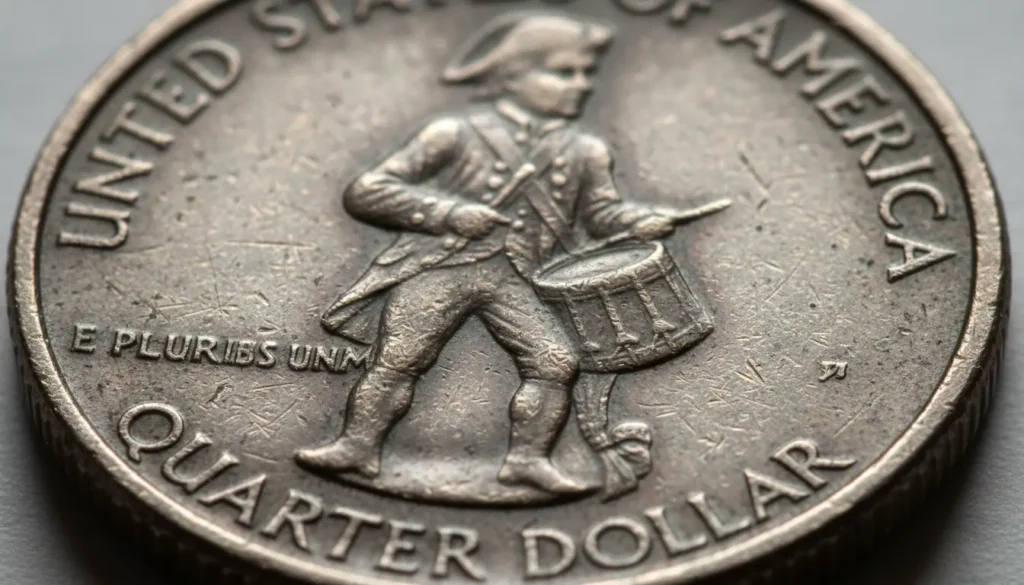
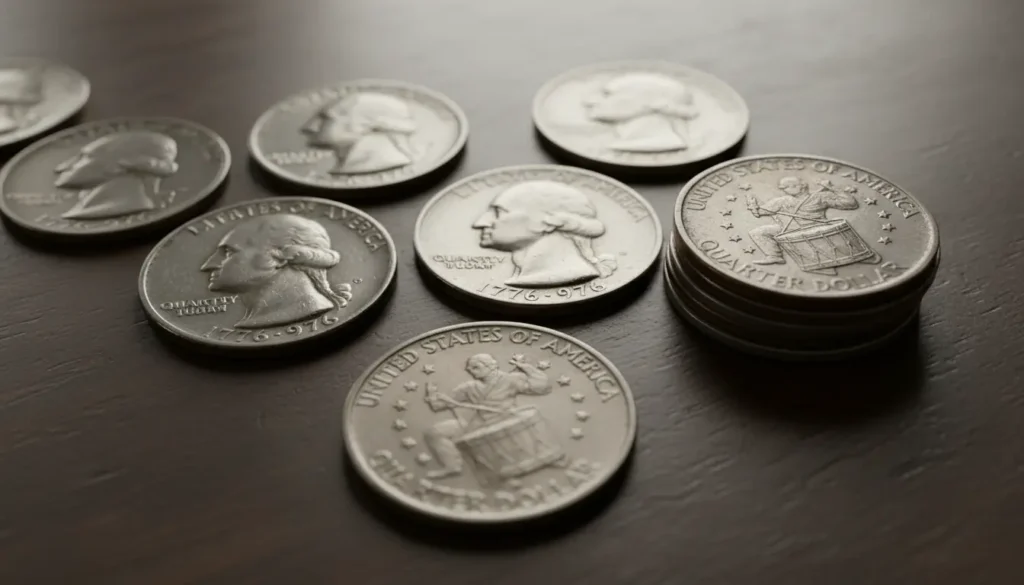
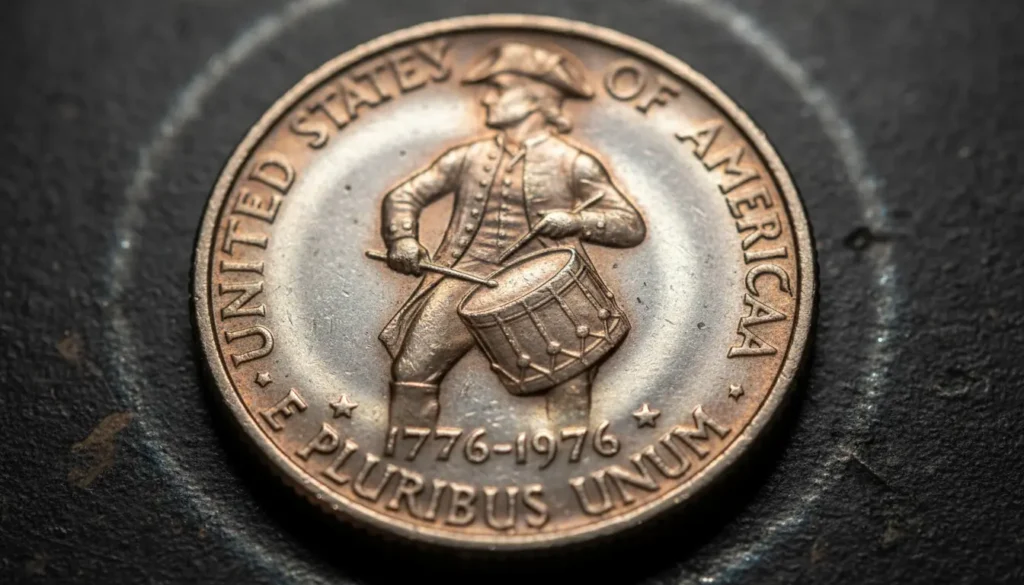
Start by looking closely at the quarter. Most Bicentennial Quarters are ordinary copper-nickel clad pieces dated “1776–1976” on the reverse. Rarity depends on mint, finish, errors, and condition.
Key features to check on a Bicentennial Quarter
- Mint mark: Look for D (Denver) or S (San Francisco). No mint mark usually means Philadelphia.
- Material and finish: Proofs and special silver-clad issues exist. Silver-clad quarters from 1976 were sold in special sets.
- Errors and varieties: Off-center strikes, double dies, clipped planchets, and struck-on-wrong-planchet pieces are the most valuable.
- Condition/grade: Uncirculated coins with full luster are worth more than worn examples.
Use a magnifying glass or loupe (10x ideally) and a well-lit workspace. Photograph both sides for reference and comparison.
What Affects the Value of a Bicentennial Quarter
Several factors determine how much a Bicentennial Quarter is worth. Most 1976 quarters are common and trade near face value. The exceptions are specific error types, silver proofs, and exceptionally high grades.
- Rarity: How many of that exact variety exist.
- Demand: Collector interest in a specific error or minting.
- Grade: Higher grades (MS/PR 65 and above) command premiums.
- Provenance and documentation: Certified coins (PCGS/NGC) sell higher.
Common valuable Bicentennial Quarter types
- 1976-S Proof 40% silver quarter (issued in special proof sets).
- Major mint errors: off-center strikes over 10%, broadstrikes, or coins struck on the wrong planchet.
- Notable doubled die obverses or reverses, though true major doubled dies for 1976 quarters are rare.
Could a Bicentennial Quarter Be Worth $1 Million?
In practical terms, a Bicentennial Quarter reaching $1 million is extremely unlikely. For a coin to reach that level it would need a unique, documented error or an extraordinary grade combined with historic significance.
High-dollar coin sales usually involve much older or historically significant pieces (e.g., early U.S. coins from the 18th or early 19th century). Modern commemorative errors can sell for tens of thousands in exceptional cases, but seven-figure prices for a 1976 quarter are essentially unheard of.
Steps to Check If Your Bicentennial Quarter Is Valuable
- Examine the coin under a loupe and note mint mark, date, and any visible errors.
- Compare images with reference guides or online databases for Bicentennial Quarter varieties.
- Weigh and measure the coin if you suspect it might be silver or on a wrong planchet.
- Have suspect coins professionally graded and authenticated by PCGS or NGC.
Do not clean or polish coins. Cleaning reduces value. Keep provenance, packaging, or original mint sets if available.
The U.S. Mint produced special 40% silver Bicentennial coins for proof sets in 1976. These silver pieces are more valuable than standard clad circulation quarters.
Where to Sell a Rare Bicentennial Quarter
If you believe you have a rare Bicentennial Quarter, start by getting a professional opinion. Certification by a reputable grading service adds trust and typically increases sale price.
- Certified auction houses: Good for rare or high-value coins.
- Reputable coin dealers: Faster sales and local evaluation.
- Online marketplaces: Use careful listings and offer clear photos and certification.
Get multiple offers for high-value items and ask for references from dealers or auction houses before selling.
Small Case Study: A Real-World Example
A family inherited several mint sets including a sealed 1976-S proof set. One quarter inside was a 40% silver proof in excellent condition. The owner had the coin slabbed by a major grading service and sold it through a local dealer. The sale price reflected the silver content and proof grade, netting more than a common circulated quarter but far below sensational values.
This case shows how provenance, silver content, and certification produce real value — but also demonstrates the realistic price scale for Bicentennial Quarters.
Final Practical Tips for Collectors
- Keep coins uncleaned and stored properly in acid-free holders.
- Use reputable grading services for suspected high-value coins.
- Research similar sales in auction archives to set realistic expectations.
- Remember: rarity plus demand equals value. Not every error is valuable.
Checking your change can be fun and occasionally rewarding. If you find an unusual Bicentennial Quarter, document it, get expert advice, and consider professional certification before selling. While $1 million remains extremely unlikely, a truly rare, authenticated error or unique variety can still be worth significantly more than face value.