What is the Bicentennial Quarter?
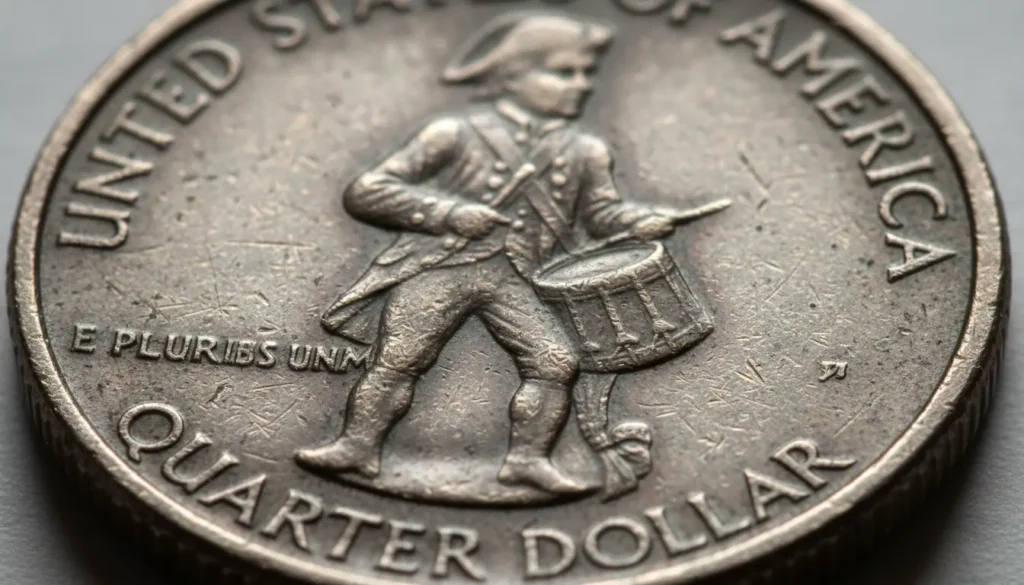
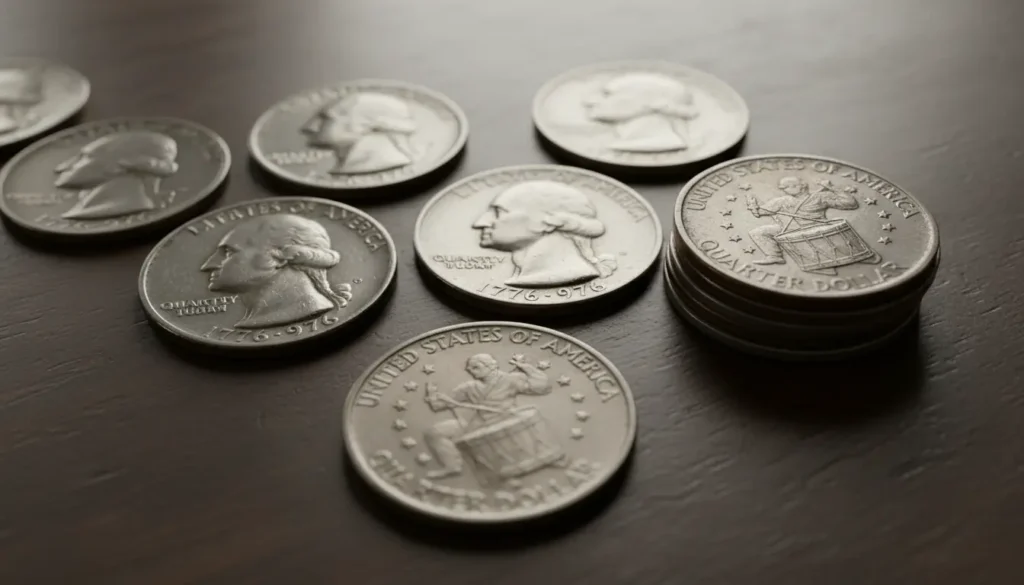
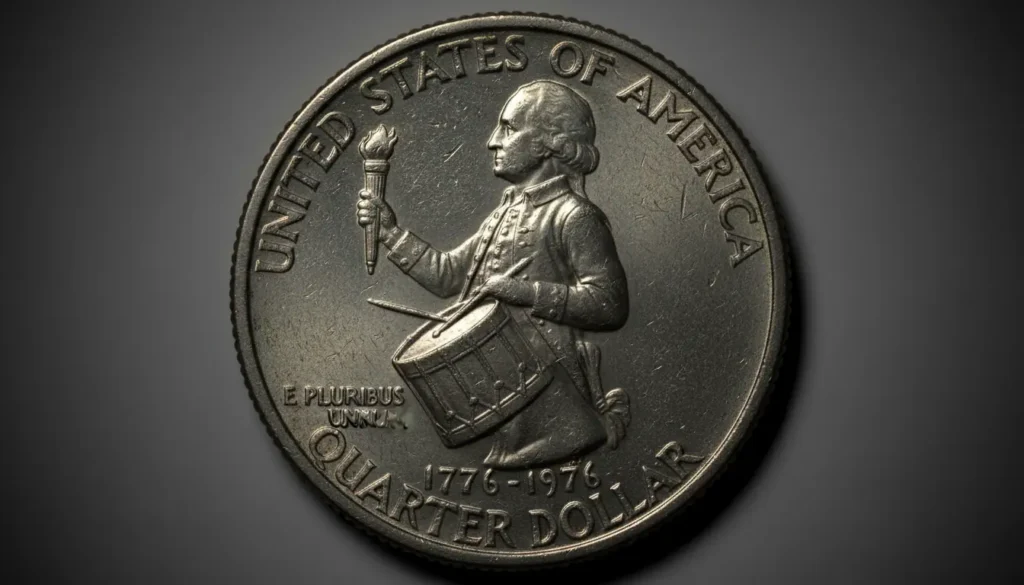
The Bicentennial Quarter was issued to celebrate the 200th anniversary of the United States. It carries the dual date 1776–1976 and a special reverse design used in place of the usual eagle.
Millions were produced, including standard clad circulation pieces and special 40% silver proof and uncirculated coins. Most are common in today’s market.
Why some Bicentennial Quarters are rare
Most Bicentennial quarters are low value because of high mintage. A small fraction can be rare when certain factors combine.
Rarity can come from minting errors, very high grade (near-perfect condition), or unusual production types such as the 40% silver proof struck at San Francisco.
Common reasons a Bicentennial Quarter might be valuable
- Major minting errors (off-center strikes, double dies, broadstrikes).
- Extremely high grade from third-party grading services (PCGS, NGC).
- Scarce proof varieties or mispackaged mint sets.
- Historical provenance or ownership by a famous collector.
Could your Bicentennial Quarter be worth $1 million?
A million-dollar Bicentennial quarter is extremely unlikely. To reach that level, a coin would usually need to be both extremely rare and historically significant, or an unprecedented error that attracts collectors and investors worldwide.
Modern commemorative coins rarely reach seven figures unless they are unique examples or tied to a major numismatic story. Most valuable Bicentennial quarters sell for hundreds to a few thousand dollars, not millions.
What would it take for a Bicentennial Quarter to hit $1 million?
- A one-of-a-kind or near-unique error that is clearly authenticated.
- Perfect, uncirculated condition with a top-grade certification (for example, a near-impossible MS/PR grade).
- Strong buyer demand and media attention driving competitive bidding at auction.
How to check if your Bicentennial Quarter is valuable
Follow a simple inspection process before assuming your coin is worth a fortune. Do not clean or alter the coin—cleaning can destroy value.
- Look for obvious errors: doubled lettering, missing design elements, off-center strikes, or broadstrikes.
- Check the surface for wear. High-grade coins will show no circulation marks or smoothing.
- Note the finish: proof coins have mirror-like fields and frosted devices; silver proofs are heavier and may be marked as such on packaging.
- Compare to reference images from reputable sources (PCGS, NGC, or major coin guides).
When to get professional grading
If you find an apparent major error or a coin that looks flawless, submit it to a third-party grading service (PCGS or NGC). Grading establishes authenticity, documents the error, and assigns a market-recognized grade.
A certified grade typically increases buyer confidence and can dramatically affect auction results.
Real-world example: a high-grade Bicentennial quarter
Case study: A collector discovered a Bicentennial quarter in a mint-state condition while sorting a change lot. The coin showed sharp details and no signs of circulation.
The collector sent the coin to a reputable grading service. After certification as a high MS grade, the coin sold at an online auction for several hundred dollars—well above face value but far below six-figure prices.
This example shows how professional grading can unlock value, but also how realistic prices for even high-grade Bicentennial quarters typically remain modest.
Practical tips if you think you have a rare Bicentennial Quarter
- Do not clean or polish the coin. Preserve original surfaces to maintain value.
- Photograph the coin clearly, including obverse and reverse, under good light.
- Compare your coin to certified auction listings and price guides from PCGS/NGC.
- Consult a reputable dealer or submit the coin for third-party grading if you suspect a major error or extremely high grade.
- Avoid quick online sales without authentication—serious buyers will want a certified coin.
Final thoughts on value and expectations
A Bicentennial quarter could be worth much more than 25 cents if it has a certified rare error or exceptional grade. However, the chance that a typical 1776–1976 quarter in your pocket is worth $1 million is extremely small.
Follow the practical steps above: inspect carefully, document what you find, and use grading services when justified. That will give you the clearest picture of any real value your coin may hold.
If you want, provide clear photos and a short description of your coin and I can help you assess the next steps.