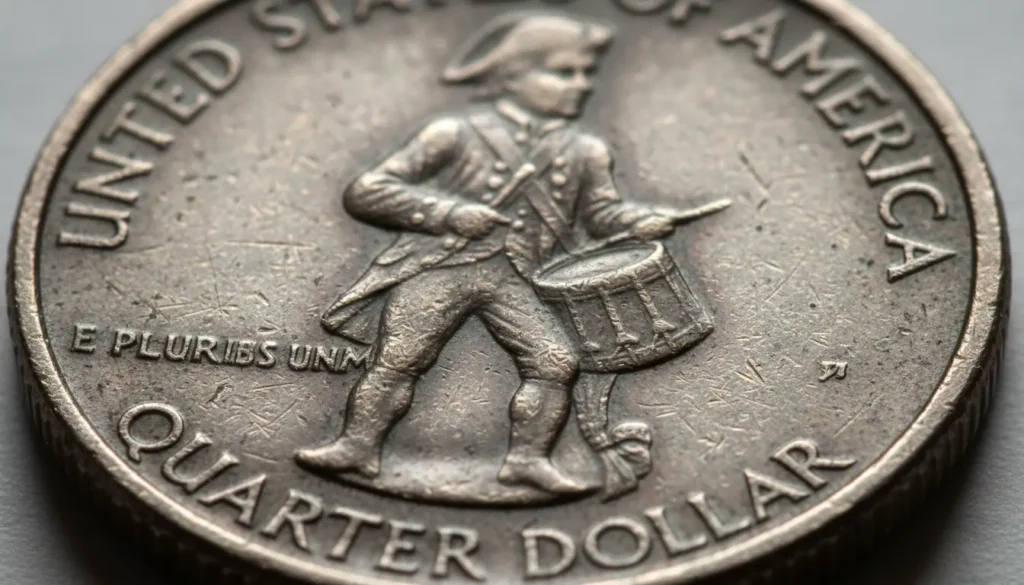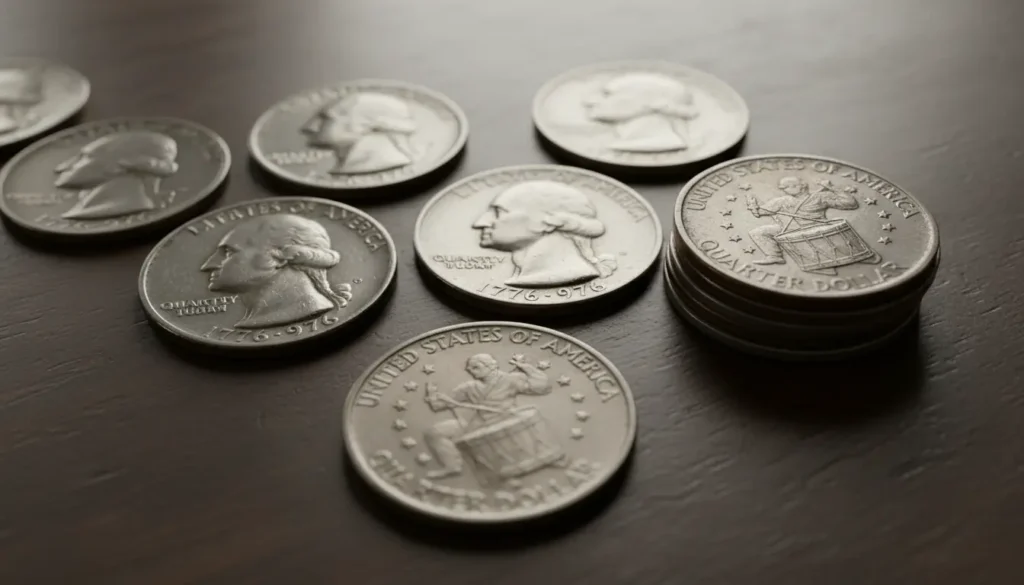
Could a Bicentennial Quarter in Your Pocket Be Worth $1 Million?
Short answer: almost never. The 1976 Bicentennial quarter was produced in very large numbers, and most pieces are common and worth face value or small premiums in circulated condition.
That said, a tiny number of Bicentennial quarters with dramatic errors or perfect certification grades can command strong collector interest. Reaching a seven-figure price is extremely unlikely unless a coin is unique, historically significant, and authenticated by top services.
What Makes Some Bicentennial Quarters Valuable?
Collectors pay for rarity, condition, and interesting errors. For the Bicentennial quarter, several features drive value more than date alone.
- Mint mark and silver content — coins struck in silver are more desirable.
- High-grade, certified mint state or proof coins with exceptional eye appeal.
- Clear, dramatic minting errors that produce unique specimens.
- Documented provenance or discovery stories that capture collector interest.
Bicentennial Quarter Mint Marks and Silver Varieties
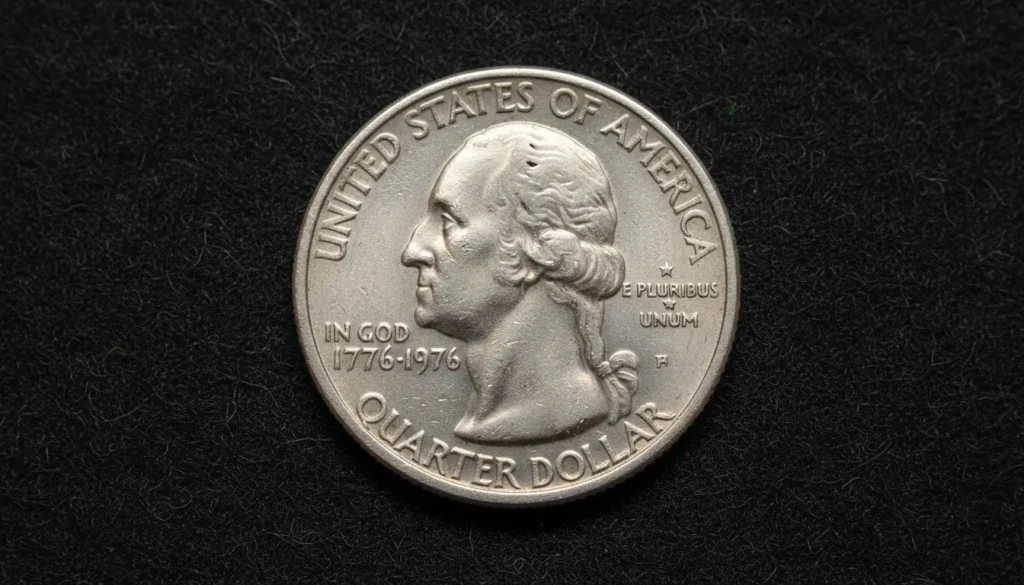
The 1976 quarter was issued with P, D, and S mint marks. Most circulation strikes are clad and common.
The San Francisco mint produced special 40% silver collector strikes in coin sets. Those silver pieces typically carry an “S” mint mark and are more valuable than regular circulated coins.
Errors and Varieties That Attract Attention
Error coins can move a common issue into a collectible category. For Bicentennial quarters, the types of errors that draw interest include:
- Off-center strikes where part of the design is missing.
- Double dies that cause noticeable doubling of letters or design elements.
- Repunched or misplaced mint marks.
- Clipped planchets, broadstrikes, or severe die cracks.
Not every error is valuable. The size, clarity, and aesthetic appeal of the error matter for buyer interest and price.
How to Check a Bicentennial Quarter Yourself
Use simple, non-destructive checks first. You don’t need specialized equipment to spot likely candidates for further appraisal.
- Visual inspection: Look for obvious errors, doubling, or strange shapes.
- Mint mark check: See if the coin carries P, D, or S and compare with reference images.
- Weight and dimensions: A significant difference can indicate a wrong planchet or composition.
- Condition: Scratches, cleaning marks, and wear reduce value.
Tools That Help
A loupe (5x–10x), a soft light, and a clean surface are enough to start. Photograph both sides clearly to document unusual features.
Practical Steps if You Believe You Found a Rare Bicentennial Quarter
If a coin looks special, follow a cautious, documented process. Rushing or cleaning a coin can destroy value.
- Do not clean or polish the coin. Cleaning damages surfaces and lowers value.
- Take multiple high-resolution photos of both sides and any close-ups of errors or mint marks.
- Note where and how the coin was found to preserve provenance information.
- Ask a reputable coin dealer or local numismatic club for a preliminary opinion.
- For potentially high-value items, consider third-party grading (PCGS, NGC) after consultation.
Real-World Example: Finding and Selling a Silver Bicentennial Quarter
A collector once bought a lot of mixed coins at a local estate sale and found a clean 1976-S quarter in a small envelope. The coin appeared to be silver rather than clad.
After photographing the coin and consulting a respected dealer, the collector had the piece authenticated and slabbed by a major grading service. The graded 40% silver example sold for a notable premium compared to face value, illustrating the value of verification and grading.
Over one billion Bicentennial quarters were struck for circulation, so most 1976 quarters remain common. Collectors focus on condition, silver strikes, and clear errors to find value.
When to Get a Coin Professionally Graded
Professional grading is usually worth the time when a dealer or experienced collector suggests the coin may be rare, or when the coin has significant visual appeal.
Grading provides authentication, an objective condition grade, and a protective slab that helps with sale and insurance. Be mindful of grading fees versus likely value.
Realistic Expectations About a $1 Million Coin
While the idea of a million-dollar coin is exciting, it is not realistic for almost all Bicentennial quarters. Most high-value sales in numismatics involve extremely rare issues, historical rarities, or pieces with exceptional provenance.
If you believe you have an exceptional Bicentennial quarter, document it carefully, get trusted opinions, and work with specialists. That is the path to realizing any extraordinary value.
Summary Checklist
- Inspect carefully — look for mint mark, silver, and errors.
- Do not clean the coin or alter it in any way.
- Document with photos and provenance details.
- Seek reputable dealer advice and consider grading if recommended.
- Set realistic expectations — million-dollar outcomes are extremely rare.
Following these practical steps will help you determine whether a Bicentennial quarter in your pocket is a curiosity, a modest collectible, or something worth expert attention.