What is the Bicentennial quarter?
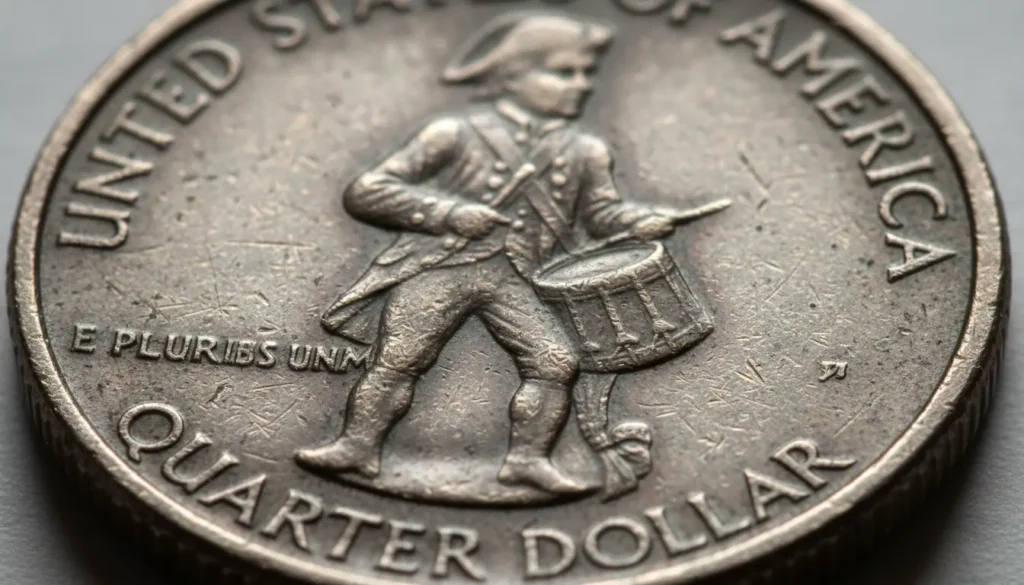
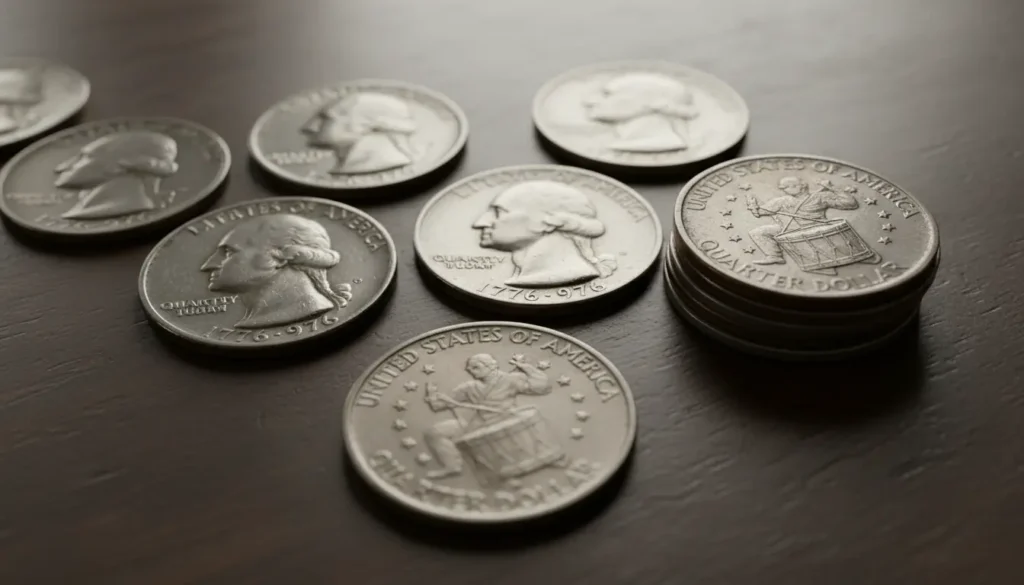
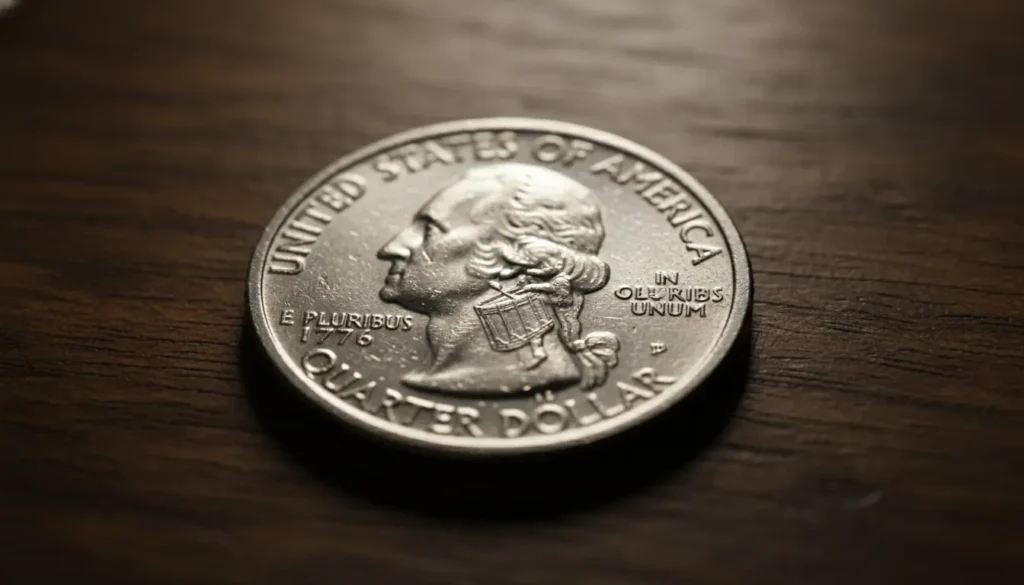
The Bicentennial quarter was issued in 1975–1976 to celebrate the 200th anniversary of the United States. It has a special reverse design showing a colonial drummer and a torch encircled by 13 stars.
Millions were struck and many remain in circulation, so most Bicentennial quarters are common. That makes the idea of a single coin being worth $1 million very unlikely but not impossible in theory.
Why some Bicentennial quarters can be valuable
Value comes from rarity, condition, and collector interest. For Bicentennial quarters the primary value drivers are:
- Mint errors and striking anomalies that are unique or extremely scarce.
- High grade coins (MS67 and above for business strikes, Proof 70 for proofs).
- Documented provenance that ties a coin to a famous collection or a notable discovery.
Most Bicentennial quarters, even in uncirculated condition, are worth modest premiums. Only unusual errors or one-off varieties attract large prices.
Common valuable categories for Bicentennial quarter
- Double die obverse/reverse — strong doubling on lettering or date.
- Off-center strikes — particularly large offsets showing large portions of design missing.
- Planchet or composition errors — e.g., silver-clad strikes accidentally produced.
- Overstrikes or repunched mintmarks — rare re-punched mintmark varieties.
How grading affects Bicentennial quarter value
Third-party grading by companies like PCGS or NGC standardizes condition. A high grade can multiply a coin’s market value, especially for common-date issues where quality examples are scarce.
For Bicentennial quarters, the scale works like this:
- Circulated pieces: modest value, often face value to a few dollars.
- Mint state (MS60–MS64): collectible but not rare, modest premiums.
- High mint state (MS65+): significant premiums and stronger collector demand.
- Proof coins graded PR69–PR70 or Deep Cameo (DCAM): collectible and higher value.
How to check if your Bicentennial quarter is potentially valuable
Follow these practical steps to evaluate a coin you find in pocket change or a collection.
- Inspect the coin under good light and a 10x loupe. Look for doubling, off-center strikes, or unusual metal color.
- Compare the coin to reference photos of known varieties and errors from reliable guides or the PCGS/NGC databases.
- Note the mintmark: D, S, or none (Philadelphia). Some mintmark-related varieties are more sought after.
- Keep the coin protected in a flip or holder to avoid damage. Do not clean the coin — cleaning destroys collector value.
- If you suspect an error or rarity, submit the coin for third-party grading and authentication before attempting to sell it.
Signs that a coin is NOT worth $1 million
- Typical wear and no visible errors.
- Common mintmarks and grades under MS65 for business strikes.
- Claims without grading or documented auction results.
The U.S. Mint produced well over 500 million Bicentennial quarters in 1976. That huge mintage is why most Bicentennial quarters are common and not worth large sums.
Realistic market expectations
Even collectible error coins typically sell for thousands to tens of thousands of dollars, not millions. The rarest of the rare — a unique, documented error with strong provenance and perfect preservation — could push prices much higher, but reaching seven figures is extremely rare and unlikely for a widely produced coin like the Bicentennial quarter.
Collectors pay premiums for stories, rarity, and certification. Expect realistic values:
- Minor errors or varieties: $50–$1,000
- Major, certified errors in high grade: $1,000–$50,000
- Exceptionally unique pieces with proven history: potentially six-figure sales in rare circumstances
Case study: Finding an unusual Bicentennial quarter
A hobbyist found a Bicentennial quarter with heavy doubling on the date and letters. After photographing the coin and comparing it to online references, the collector sent it to a major grading service.
The coin was authenticated as a strong doubled die variety and graded MS66. It sold at a specialist auction for several thousand dollars. The key steps that helped the seller were careful documentation, professional grading, and selling through a reputable auction house.
Practical tips if you think you have a rare Bicentennial quarter
- Do not clean or polish the coin. Cleaning reduces value.
- Document everything: photos, where and when it was found, and any visible marks.
- Consult reputable coin dealers and online grading resources before selling.
- Get a professional grade and certificate if the coin appears to be a major error or high grade.
- Use established auction houses or trusted marketplaces for high-value sales.
Conclusion: Could a Bicentennial quarter be worth $1 million?
In short, it is extremely unlikely but not absolutely impossible. The Bicentennial quarter’s huge mintage makes most examples common and low value. Only a truly unique error, flawless preservation, and compelling provenance would create the conditions for seven-figure prices.
If you find a Bicentennial quarter that looks unusual, follow the practical steps above. With careful documentation and professional grading you can discover real value — even if that value is more often in the low thousands than in the millions.