If you find a 1976 quarter in your pocket, you might wonder if it could be worth a fortune. The Bicentennial quarter is common, but certain varieties or conditions can attract collectors. This guide explains what to look for and how realistic a $1 million coin is.
What is the Bicentennial quarter?
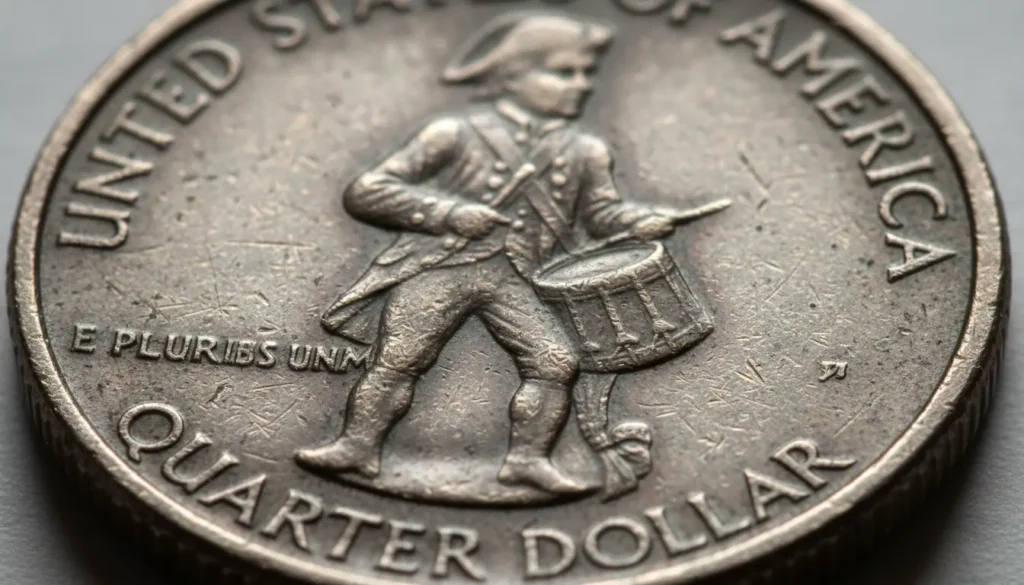
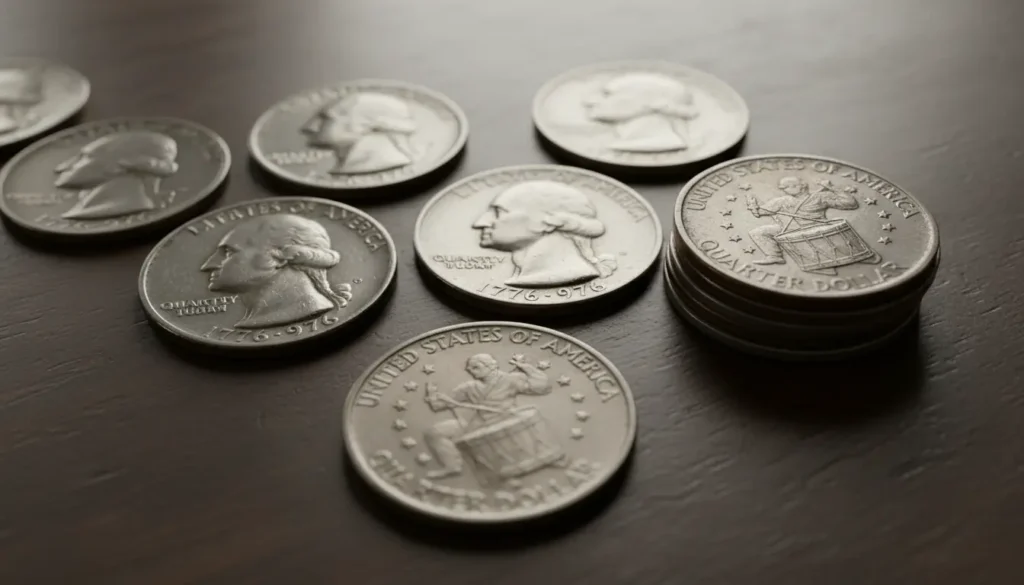
The Bicentennial quarter was issued for the United States bicentennial in 1975 and 1976. Its reverse shows a colonial drummer and the dual date 1776–1976. Millions were produced in circulation, proof sets, and special silver-clad collector pieces.
Because production was so large, most Bicentennial quarters are low in value for standard circulation strikes. Value rises when a coin has unusual features, silver content, or exceptional condition.
What makes a Bicentennial quarter rare?
Several factors can make a Bicentennial quarter collectible. Rarity often comes from scarcity, error, or appeal to specialists. Here are the main categories:
- Composition: 40% silver Bicentennial quarters were produced for collectors. These are more valuable than clad circulation pieces because of silver content and smaller mintage.
- Errors and varieties: Striking errors, misplacements, double dies, or unusual planchet flaws can create interest among collectors.
- High grade or proof condition: Coins graded near perfect by a recognized grading service can command premiums.
Error coins and doubled dies
Error coins happen during minting and can include off-center strikes, clipped planchets, or doubling. Doubled dies appear when the die has repeated imagery. These errors are sought after, but not every oddity is valuable—condition and collectibility matter.
Silver-clad and proof issues
The U.S. Mint produced proof and silver-clad Bicentennial quarters. Genuine 40% silver pieces from mint sets or special issues are more desirable than common copper-nickel clad circulation coins.
How to identify a rare Bicentennial quarter
Start with simple observations and move to verification if you suspect value. Follow these steps to evaluate a Bicentennial quarter:
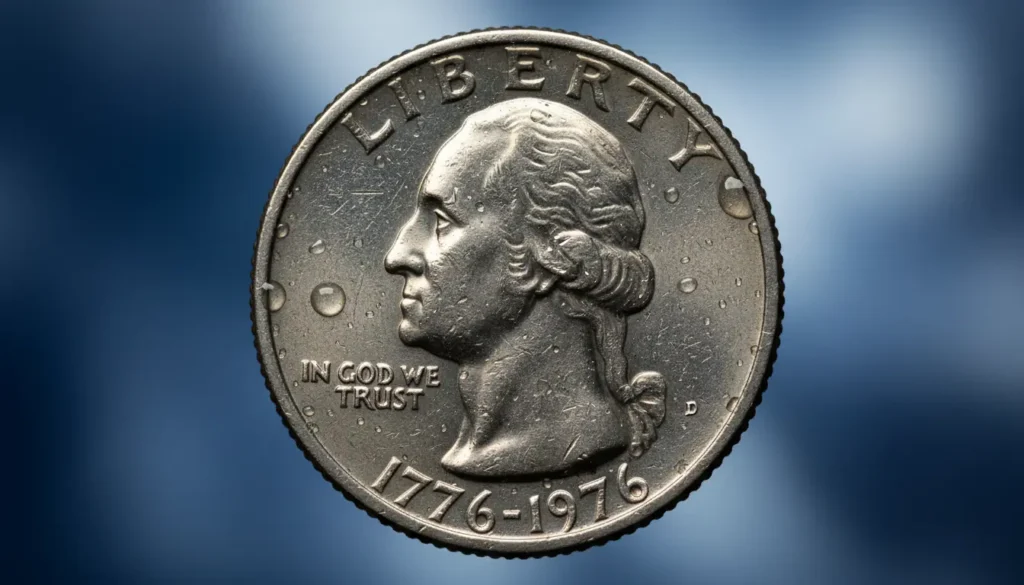
- Check the date: Look for the dual date 1776–1976 on the reverse. That confirms the Bicentennial design.
- Look for the mint mark: D (Denver), S (San Francisco), or no mint mark (Philadelphia). Proof and silver issues often carry an S.
- Examine the edge and weight: Silver-clad pieces have a different sound and weight than copper-nickel clad coins. A simple magnet test won’t work, but a precise scale can help detect silver content.
- Inspect for errors: Use a loupe or magnifier to search for doubling, off-center strikes, or unusual planchet defects.
- Assess condition: Look for wear, scratches, and luster. Uncirculated coins keep original mint luster and fetch higher prices.
Could your pocket change be worth $1 million?
Realistically, a Bicentennial quarter reaching $1 million is extremely unlikely. Million-dollar sales typically involve very rare, historically significant coins like 19th-century rarities, unique die varieties, or pieces with exceptional provenance.
That said, extraordinary and authenticated error coins or uniquely provenanced specimens can command unexpectedly high prices for their type. But for a modern mass-produced 1976 quarter to hit seven figures, it would need an unprecedented combination of uniqueness, perfect grade, and extreme collector demand.
Practical valuation checklist
If you suspect you have a valuable Bicentennial quarter, use this checklist:
- Do not clean the coin or alter it in any way.
- Document where and how you found it with photos.
- Compare with reference guides and images of known error types.
- Seek a reputable coin dealer for an initial opinion.
- If promising, submit to a recognized grading service such as PCGS or NGC for authentication and grading.
How to authenticate and sell a rare Bicentennial quarter
Authentication is the key to realizing any value. Grading services provide independent verification that collectors and auction houses trust. Follow these steps if you plan to sell:
- Start with an experienced coin dealer for an assessment and recommended next steps.
- If advised, have the coin graded by PCGS or NGC. Grading adds credibility but involves fees.
- Consider selling through a reputable auction house if the coin is exceptional. Auctions reach collectors willing to pay premiums for rarity.
- Keep full records: invoices, grading reports, and provenance help maximize sale value.
The Bicentennial quarter design was used only for a short period and replaced the usual eagle reverse. The Mint produced both circulation strikes and special collector issues, which is why some Bicentennial quarters contain silver while others do not.
Real-world case study
Case study: A collector inherited a 1976 Bicentennial quarter set inside an old proof set. The pieces included a silver-clad quarter with full luster and sharp detail. After authentication and professional grading, the set sold to a specialist collector for more than the intrinsic silver value because of condition and completeness.
This example shows how provenance, silver content, and grade combine to increase value. It also highlights that many valuable finds come from estate collections and boxed mint sets rather than loose pocket change.
Final practical tips
Most Bicentennial quarters in circulation are worth face value. However, checking old mint sets, rolls, and inherited coin collections is worthwhile. Use the checklist above and work with reputable experts to confirm value.
If you believe you found an exceptional coin, document it, avoid cleaning, and seek professional authentication. While a $1 million Bicentennial quarter is improbable, thoughtful steps can uncover surprising value and ensure you get a fair price.