The 1976 Bicentennial Quarter is a familiar coin, but a few rare examples attract strong collector interest. This article explains what to look for, which varieties can carry premiums, and how realistic the idea is that your pocket change could be worth 1 million dollars.
What is the Bicentennial Quarter?
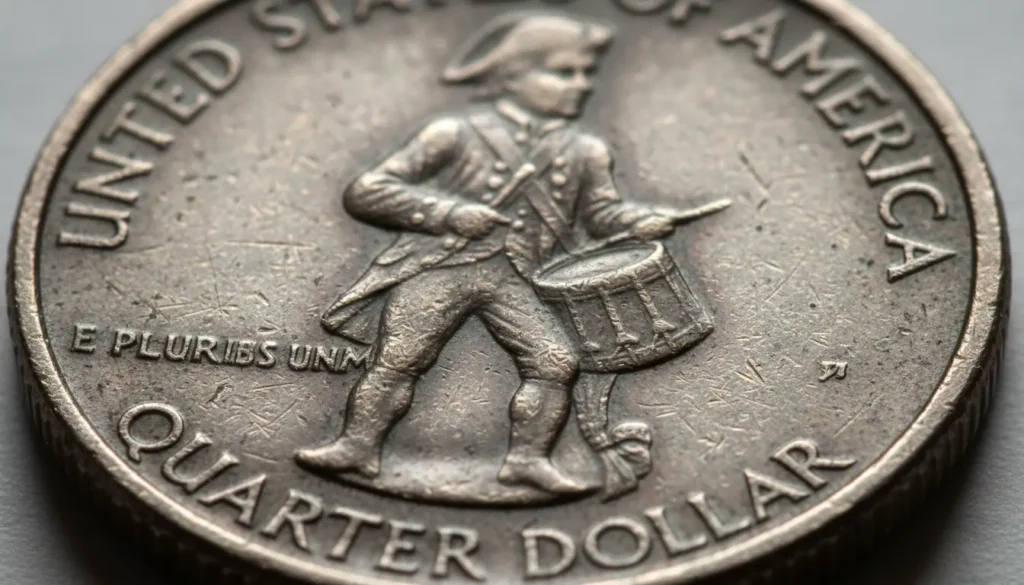
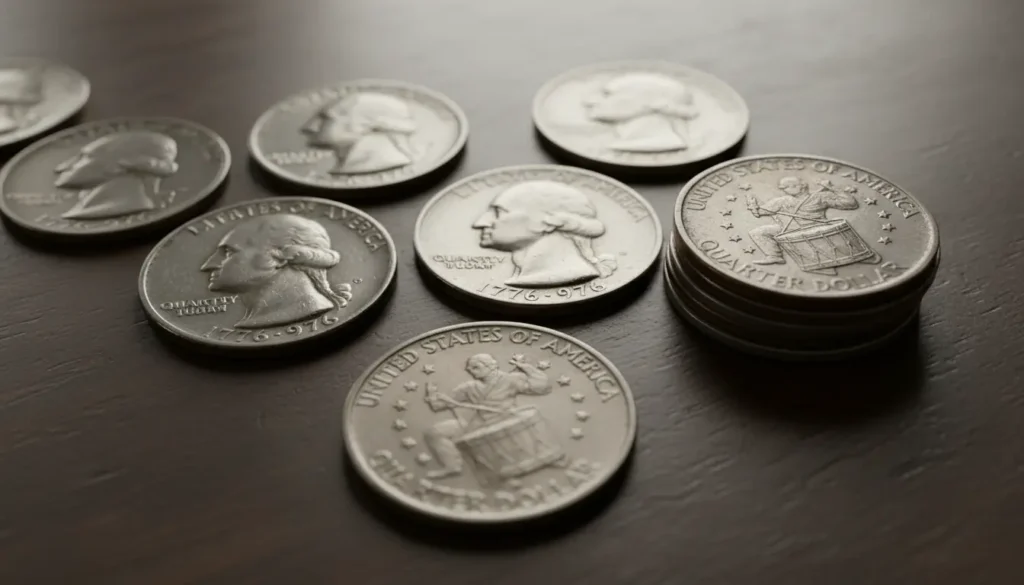
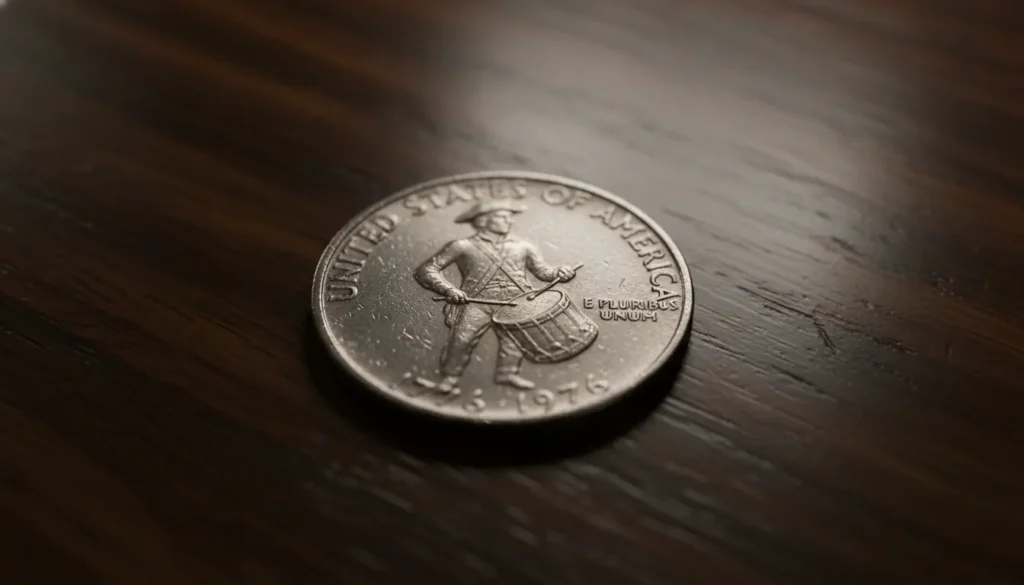
The Bicentennial Quarter was issued to mark the United States Bicentennial with dual dates 1776–1976 on the reverse. Production included coins for circulation and special collector strikes. You can find the design on quarters minted in 1975 and 1976.
Most circulated Bicentennial Quarters are common and worth face value or slightly more to collectors. But specific varieties, mintmarks, and minting errors can raise a coin�s value.
Why some Bicentennial Quarters are valuable
Value depends on a few predictable factors. Condition, rarity, composition, and documented mint errors drive collector prices. Understanding these factors helps you evaluate any quarter you own.
Key value factors for a Bicentennial Quarter
- Condition (Grade): Mint State (uncirculated) coins graded high by a professional service fetch higher prices.
- Mint mark and composition: Certain San Francisco strikes and 40% silver collector pieces are more valuable than common clad circulation strikes.
- Errors and varieties: Off-center strikes, double dies, missing layers, and broadstrikes can be rare and desirable.
- Provenance and documentation: Certified coins with strong provenance or rarities with well-documented pedigrees command stronger prices.
Types of Bicentennial Quarter strikes to know
There were several production types collectors watch for. Each type has a different market profile and typical price range.
- Circulation strikes (Philadelphia/Denver): Most common and widely available.
- San Francisco collector strikes: Many were produced as proofs and some in 40% silver for collector sets.
- Proofs and silver business strikes: Usually higher quality and often kept in sets, they are worth more than circulated examples.
- Error coins: Extremely varied; value depends on rarity and severity of the error.
Could your pocket change be worth 1 million?
Short answer: it is extremely unlikely. However, it is not impossible in theory. A Bicentennial Quarter would need to be an exceptionally rare variety, in superb condition, and ideally accompanied by impeccable documentation and an enthusiastic buyer to reach seven figures.
Most real-world Bicentennial Quarters, even in top uncirculated grade, trade for modest amounts compared with the million-dollar threshold. Collectors typically pay hundreds to a few thousand dollars for exceptional examples or dramatic mint errors.
When a Bicentennial Quarter could reach high values
- Unique or extremely scarce mint error with photographic proof and provenance.
- A singular specimen that fills a major gap in a high-profile collection.
- Celebrity provenance or sale at an auction that attracts deep-pocketed bidders.
Even when these factors align, seven-figure outcomes are more commonly associated with much older or inherently scarce coin types — not modern circulation quarters.
Practical steps to check your Bicentennial Quarter
Follow these steps to evaluate any Bicentennial Quarter you find in pocket change or a drawer. The process is straightforward and helps determine next steps.
- Examine the coin under good light for unusual features (off-center, doubling, missing layers).
- Check for a mint mark (look near the eagle or obverse depending on the issue).
- Assess condition: heavy wear, scratches, or corrosion reduce value.
- Compare with reputable price guides and recent auction results.
- If you find an apparent error or rare variety, consider professional grading and authentication.
When to get a coin graded
Send a coin to a grading service if it looks exceptional, has a clear and severe error, or could be a rare silver strike. Grading adds credibility and typically increases marketability when selling to serious collectors.
The 1976 Bicentennial designs were used across quarters, half dollars, and dollars; many Bicentennial collector coins were produced in 40% silver for special sets, making those issues more valuable than standard circulation pieces.
Real-world example: A high-value Bicentennial error
Case study: A collector bought a lot of circulated Bicentennial Quarters and spotted one that appeared significantly off-center. After photographing the coin and consulting a specialist, they submitted it to a professional grading service. The coin was authenticated as a broadstruck, 30% off-center strike with full date and design elements visible.
That coin sold at auction several months later for a price far above typical Bicentennial quarters, though still short of the seven-figure mark. The sale illustrated how dramatic errors plus proper certification drive collector interest and higher prices.
Conclusion: What you should do now
Keep Bicentennial Quarters you find if they look unusual, in high grade, or show obvious mint errors. Document any unusual features with clear photos and compare against reputable references. For anything that appears rare, get professional authentication before expecting large sums from a sale.
While the chance a pocket Bicentennial Quarter is worth 1 million dollars is vanishingly small, careful inspection and sensible steps can help you identify genuinely valuable specimens and avoid missed opportunities.
If you want, list the coin�s visible features (mint mark, visible errors, condition) and I can help evaluate its potential value and next steps.