The idea that a Lincoln Wheat penny could be worth $110 million gets a lot of attention online. That headline is eye-catching, but coin values depend on date, mint, errors, condition, and verified provenance. This article explains what such a claim usually means and gives step-by-step guidance for checking and protecting any Wheat cent you might own.
The Lincoln Wheat Penny Valued at $110 Million — What That Claim Means
When you read a headline saying a Lincoln Wheat Penny is worth $110 million, it usually reflects a mistaken report, hyperbole, or confusion with another historic coin. The most valuable coins on record are rare gold pieces with documented histories and legal ownership, not common copper cents.
Lincoln Wheat pennies can be valuable, but realistic top values for Wheat cents are generally far lower and tied to documented rarities or extreme condition. Treat sensational claims with caution and verify any rare coin with experts.
Why The Lincoln Wheat Penny Valued at $110 Million Is Unlikely
There are practical reasons to be skeptical of a $110 million valuation for a Wheat penny. Pennies have low intrinsic metal value and huge surviving populations for most dates.
- Record high coin sales are usually large gold or historic coins with clear provenance.
- Errors and rare die varieties can raise a penny’s value, but typically to the thousands or low millions at most — not tens of millions.
- Grading, authentication, and auction records are essential to support extreme valuations.
Key Reasons Some Lincoln Wheat Pennies Become Valuable
Understanding what makes a Wheat penny worth more helps you assess your own coins. Common factors are rarity, minting errors, condition, and documented history.
Common valuable Wheat penny types
- Low-mintage dates (example: early 1909 issues).
- Major mint errors, such as off-metal strikes or double dies.
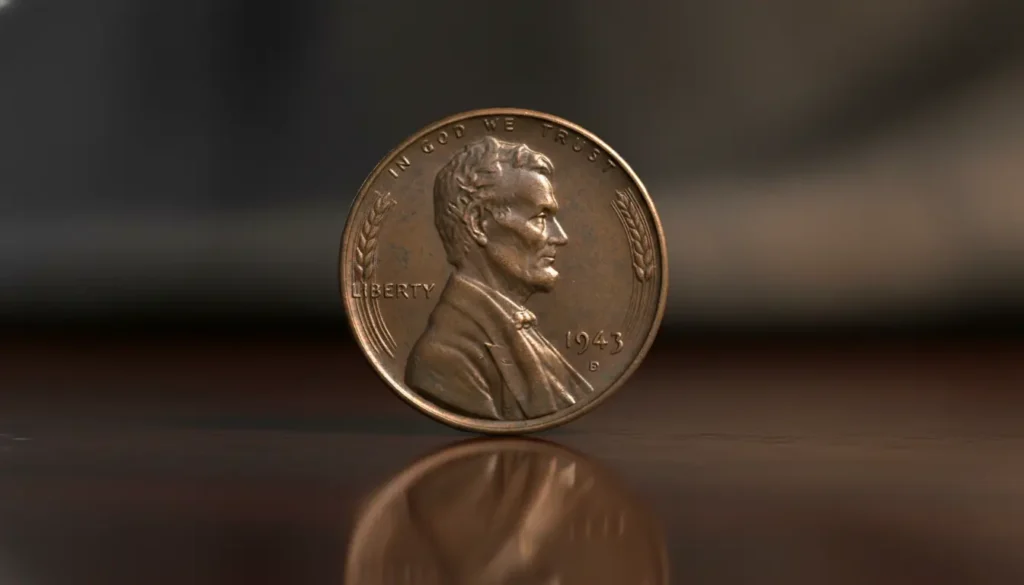
- Struck on the wrong planchet (a rare 1943 bronze cent is one famous example of an oddity).
- Exceptional condition graded by third-party services (PCGS, NGC).
Each of these can increase value, but the degree varies. Condition and authentication often determine whether a collector will pay top prices.
How to Check If Your Lincoln Wheat Penny Might Be Valuable
Follow a short, practical checklist before you get excited. These steps will help you identify candidates for professional appraisal.
- Check the date and mint mark under good light or a magnifier.
- Look for unusual features: doubled letters, off-center strikes, different metal color, or missing mint marks.
- Weigh suspect coins if you can — off-metal pieces have different weights.
- Do not clean the coin. Cleaning can remove patina and reduce value dramatically.
- Compare your coin to photos in trusted references or online databases.
Quick tests for common rarities
Simple, non-destructive checks can help. For example, a 1943 copper cent will not be magnetic and will weigh slightly differently than a steel 1943 cent. Use a reputable reference to compare weight and appearance.
Practical Steps to Authenticate and Protect a Potentially Valuable Penny
If you find a penny that looks rare, take calm, methodical steps to verify and protect it. Rushing or mishandling can harm the coin and its value.
- Keep the coin in a soft holder or flip. Avoid PVC plastics that can damage metal over time.
- Document where and when you found it; provenance can help at auction time.
- Consult a trusted local coin dealer or club for an initial opinion.
- If the dealer agrees it’s promising, get third-party grading and authentication from PCGS or NGC.
- If verified, compare consignment and auction options; choose an auction house experienced in rare U.S. coins.
Selling and insurance tips
If a coin is authenticated at a high grade, consider professional consignment. Insure the coin during transit and storage, and keep all certificates and photos with the item.
The Lincoln Wheat penny was minted from 1909 to 1958 and features wheat stalks on the reverse. Collectors often call it a Wheat cent or Wheat penny.
Small Case Study: How a Found Penny Was Verified
A homeowner found an odd-looking Wheat penny in a jar and took it to a local coin dealer. The dealer noted a mismatch in color and told the owner it might be struck on the wrong planchet.
The owner submitted the coin to a third-party grading service. Authentication confirmed an off-metal strike, and the coin was graded and encapsulated. The owner sold the coin at a specialist auction after comparing fees and realized a substantial premium over face value.
This example shows the value of expert verification and patience when dealing with potential rarities.
Bottom Line: Treat Claims That The Lincoln Wheat Penny Is Valued at $110 Million with Caution
Headlines claiming a Wheat penny is worth $110 million are almost always misleading. Rare Lincoln Wheat cents do exist and can fetch high prices, but extreme figures need documented provenance and expert verification.
If you think you have a rare penny, follow the practical steps above: avoid cleaning, document the find, seek trusted dealer advice, and use reputable third-party grading. That approach gives you the best chance to learn the true value of your coin without falling for sensational claims.