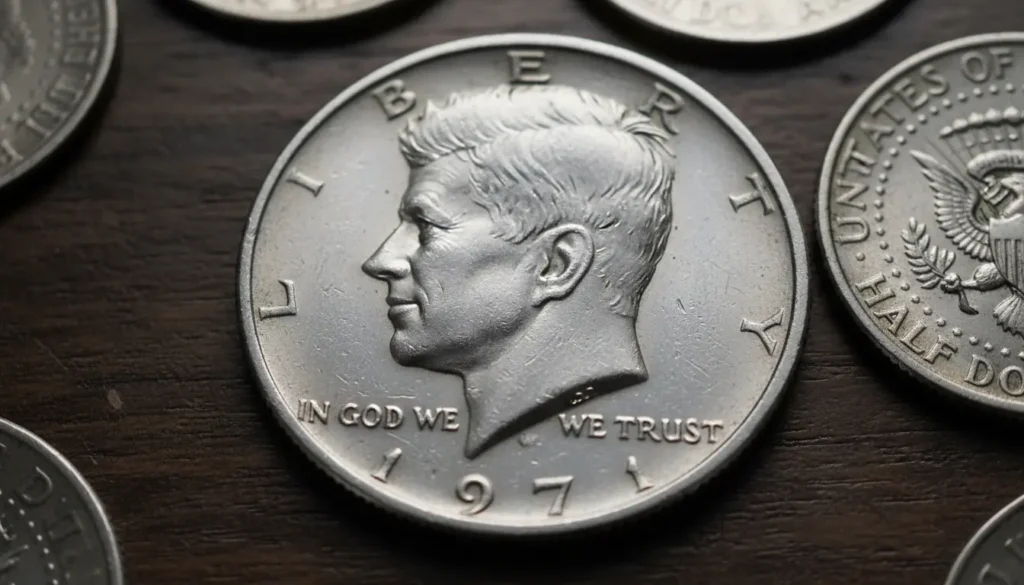
Online headlines sometimes claim a common coin is worth an extraordinary amount. One recent claim says a Kennedy Half Dollar is valued at 19.9 million and still remains in circulation. This article explains how to treat that claim, the steps to verify a potentially rare coin, and what actually makes a Kennedy Half Dollar valuable.
Why the 19.9 Million Claim Raises Questions
Extraordinary values in headlines are often attention-grabbing but not always accurate. Most Kennedy Half Dollars were minted in large numbers starting in 1964, so the majority are common and have modest collector value.
High-value sales in numismatics are usually backed by clear provenance, certification, and demand. A random coin found in circulation reaching tens of millions would be extremely rare and should be approached with skepticism until verified.
How to Verify a Claim About a Valuable Kennedy Half Dollar
If you or someone you know has a Kennedy Half Dollar claimed to be worth millions, follow these steps before accepting the headline at face value.
- Do not clean the coin. Cleaning can damage surface details and reduce value.
- Photograph the coin: obverse and reverse, both sides clear and in focus.
- Check for obvious error features: doubled dies, missing elements, or unusual mint marks.
- Seek an official grading: submit to a reputable third-party grader such as PCGS or NGC.
- Request provenance: check whether the coin has auction or ownership history.
Where to Get an Appraisal
Use accredited professionals and avoid pay-to-play services. Good options are:
- Third-party grading companies (PCGS, NGC).
- Reputable local coin dealers who are members of ANA or state associations.
- Auction houses with numismatic departments for high-value items.
What Actually Makes a Kennedy Half Dollar Valuable
Not all value comes from age. For Kennedy Half Dollars, these factors matter most:
- Rarity: Mintages and survival rates play a major role.
- Condition: Graded condition (MS/PR grades) greatly affects price.
- Errors and varieties: True mint errors or rare die varieties can be sought after.
- Provenance: Well-documented history can increase buyer confidence.
For example, certain proof or special strike Kennedy halves in gem condition can be worth many times face value, but these generally sell in the hundreds or low thousands, not millions.
Common Misunderstandings About Viral Coin Values
Here are typical ways a claim gets exaggerated:
- Misinterpreted auction records: someone confuses the sale of a different coin with a Kennedy Half Dollar.
- Typographical or currency conversion errors that inflate a figure.
- Fake or speculative listings on marketplaces that use dramatic prices to attract attention.
Simple Checklist: What to Do If You Find a Coin Claimed to Be Worth Millions
- Handle carefully: hold by the edges, avoid fingerprints.
- Document immediately: dates, mint marks, photos, where found.
- Compare with reliable references and auction databases.
- Submit for third-party grading before any sale or public claim.
- Get multiple opinions from reputable dealers or auction houses.
Small Case Study: A Viral Find That Turned Out to Be Ordinary
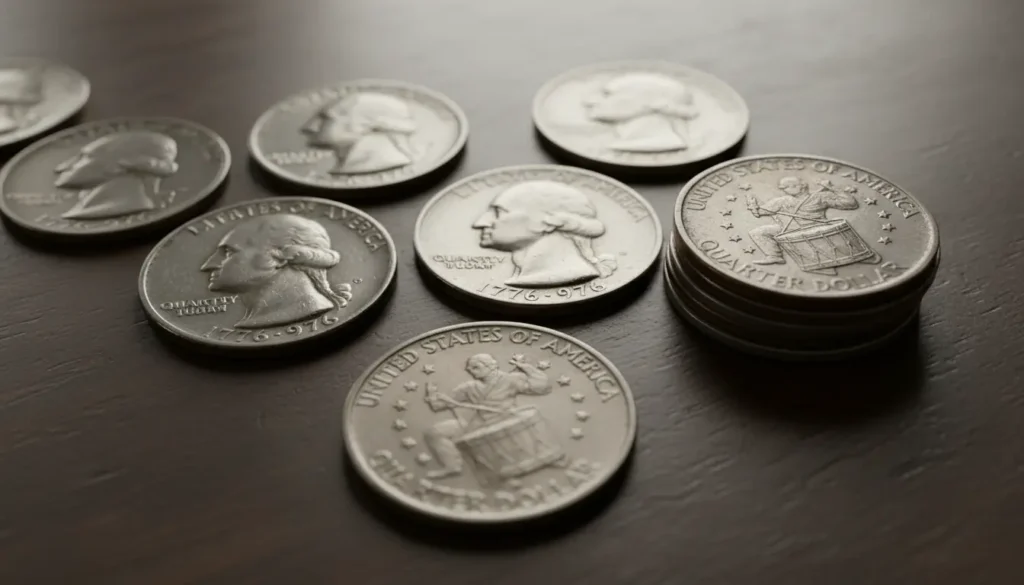
A collector shared a story of finding a Kennedy Half Dollar in pocket change after seeing a viral headline. The owner took photos and posted them to a numismatic forum. Members noted the coin had common wear and no unique mint errors. After a professional grade check it was confirmed as a circulated 1976 half, worth only a few dollars to collectors. The viral post had misattributed a high value from a different rare coin to this common piece.
This example shows why verification and grading are important before accepting viral claims.
Realistic Outcomes and How to Proceed
If authentication confirms a rare variety or certified gem example, you will receive a market quote based on recent comparable sales. If the coin is common, keep it as a collectible or sell through local dealers or marketplaces.
For high-value coins, consider insured shipping and working with an auction house to reach serious collectors. For lower-value but interesting coins, local shows and dealer networks are practical choices.
Key Takeaways
- Viral claims of a Kennedy Half Dollar worth 19.9 million are highly unlikely without strong evidence.
- Verification steps—photography, non-clean handling, third-party grading—are crucial.
- Use reputable graders and dealers to determine true market value.
When facing sensational headlines about coin values, a measured, evidence-based approach protects both sellers and buyers. Follow the verification checklist and consult trusted numismatic resources before making decisions.