How a War-Era Jefferson Nickel Became One of America’s Most Valuable Coins
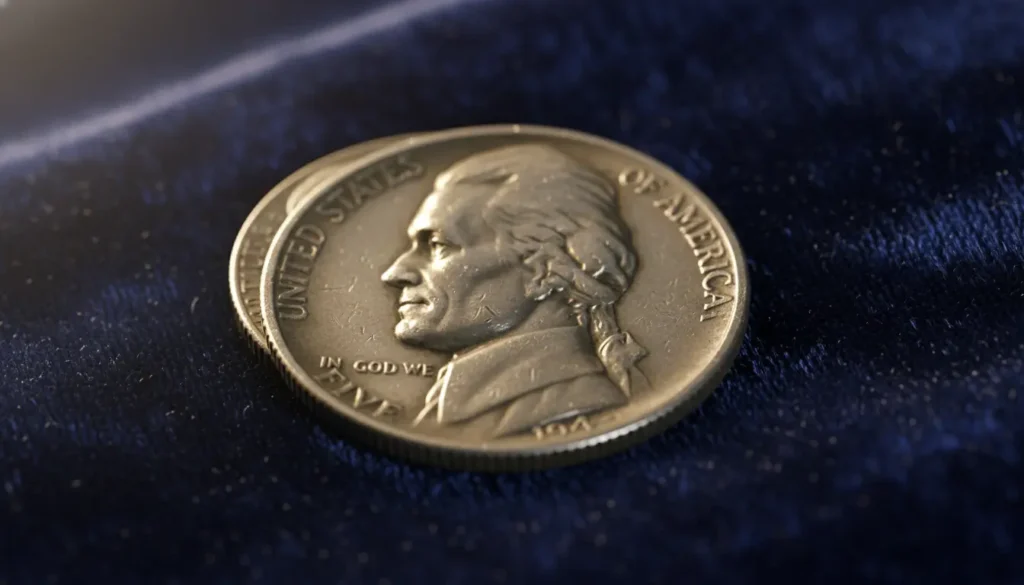
The Jefferson nickel struck during World War II (1942–1945) changed in composition and design placement because of wartime metal needs. These coins—commonly called war nickels—are easy to spot and can be unexpectedly valuable when they meet certain criteria.
What Made War-Era Jefferson Nickels Distinct
From mid-1942 through 1945 the U.S. Mint removed nickel from the alloy and produced nickels with 35% silver, 56% copper, and 9% manganese. The mint mark was moved to the reverse above Monticello starting in 1942, another quick identifier.
Collectors look for these features to verify a coin as a war-era nickel. The silver content, unique mint mark location, and certain low-mintage years contribute to collector interest.
Key Reasons a War-Era Jefferson Nickel Can Become Very Valuable
A combination of rarity, condition, historical context, and errors can elevate a war nickel to high value. Focus on these practical factors when evaluating a coin.
- Silver content: Intrinsic metal value is higher than base metals, especially when silver prices rise.
- Mint marks and low mintage: Coins from certain mints or years had smaller production numbers.
- High grade survivors: Few war nickels survived in near-mint condition due to heavy circulation during and after the war.
- Errors and varieties: Minting errors, overstrikes, and notable die varieties attract specialist collectors.
How to Identify a Valuable War-Era Jefferson Nickel
Identification starts with a clear, careful inspection. Use a loupe or magnifier and good lighting to note details without damaging the coin.
Steps to identify:
- Check the date (1942–1945) and mint mark placement above Monticello on the reverse.
- Look for silver toning and weigh or test the coin for metal content if possible.
- Examine for full strike features like sharp rim and preserved letters—these indicate higher grade.
- Search for doubling, repunched mint marks, or overdates—photograph and document any anomalies.
Grading and Authentication for Top Value
Professional grading is often essential to realize the highest market value. Grading services like PCGS and NGC provide authentication, grade assignment, and encapsulation.
Key grading considerations:
- Surface preservation: Scratches, cleaning, and corrosion lower grade and marketability.
- Luster and strike: Original luster and a strong strike command higher prices.
- Patina and toning: Natural toning is acceptable; artificial toning or cleaning is penalized.
When to Seek Professional Authentication
If you suspect a coin may be rare or valuable due to condition, a clear error, or an unusual variety, submit it to a reputable grading service. Authentication prevents disputes and builds buyer confidence.
Practical Steps to Sell a Valuable War Nickels
Approach selling methodically to capture the coin’s full value. Avoid impulsive sales to local pawn shops unless you need quick cash.
Recommended steps:
- Get a professional grade and certificate from an established lab.
- Request a detailed photography session or use a professional coin photographer.
- Research recent auction results for the same year, mint, and grade.
- Choose the right venue: specialist auctions for rare coins, reputable dealers, or advanced online marketplaces.
Pricing and Auction Strategy
Price comparisons are essential. Look at graded auction lots from the last 12–24 months and adjust for grade differences. If the coin is a known variety or error, target niche collectors or specialist auctions.
Small Real-World Case Study
A collector bought a mixed lot at a local estate sale and found a crisp 1943 nickel with the mint mark clearly above Monticello. The owner suspected it might be a war nickel and took it to a dealer.
After professional grading confirmed an uncirculated grade and silver composition, the coin was consigned to a specialist auction. Detailed provenance, clear high-resolution images, and certified grading helped attract interested bidders, leading to a successful sale above typical retail prices for circulated war nickels.
Lessons from the Case Study
- Always inspect mixed lots carefully—valuable coins often hide in bulk purchases.
- Certification and clear photos increase buyer trust and final sale price.
- Specialist auction houses can connect you with collectors willing to pay premiums for high-grade war nickels.
Common Pitfalls to Avoid
Several mistakes can erode value quickly. Be cautious and keep documentation.
- Cleaning a coin—this almost always reduces value and may void certification eligibility.
- Relying on casual estimates without professional grading for high-value coins.
- Failing to research comparable sales—overpricing can delay sale and damage credibility.
Final Practical Checklist
Before you list or sell a war-era Jefferson nickel, use this quick checklist to prepare:
- Confirm date and mint-mark position (above Monticello for 1942–1945).
- Document coin condition with high-quality photos.
- Submit to a trusted grading service if the coin appears uncirculated or unusual.
- Research recent auction prices and select a sales channel accordingly.
- Keep provenance and paperwork to improve buyer confidence.
With careful identification, authentication, and the right sales strategy, a war-era Jefferson nickel can move from a pocket find to one of America’s more valuable collectible coins.