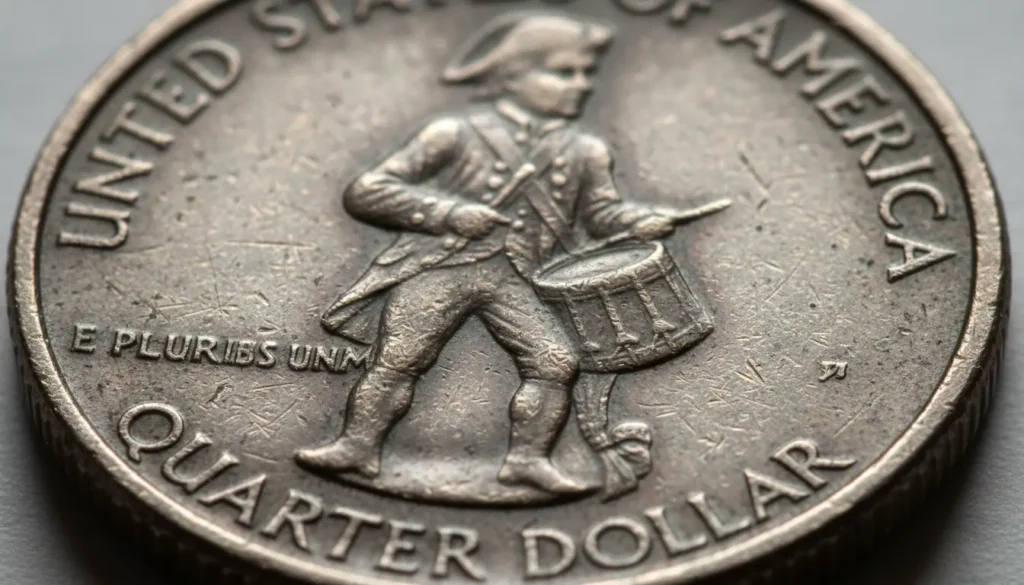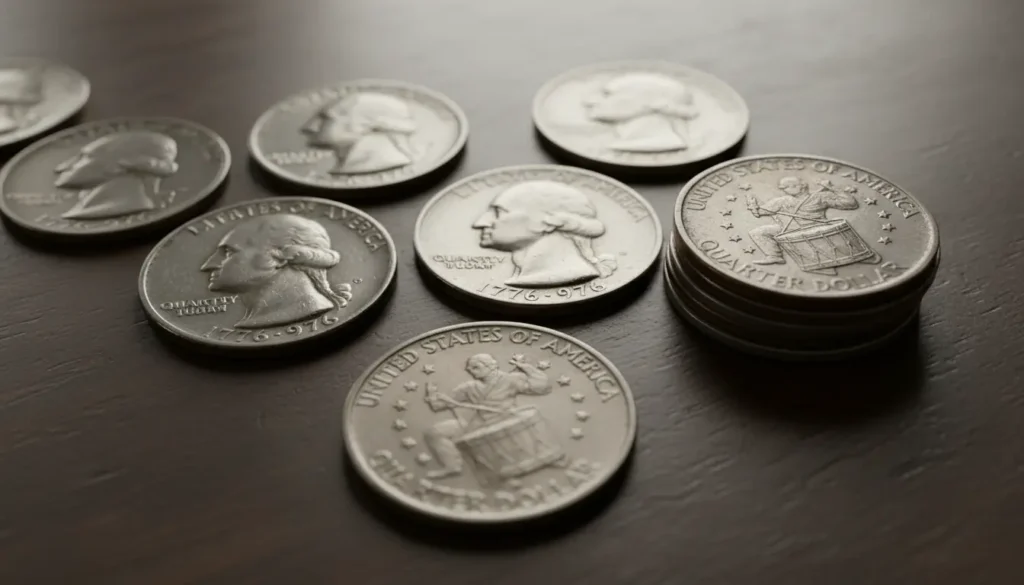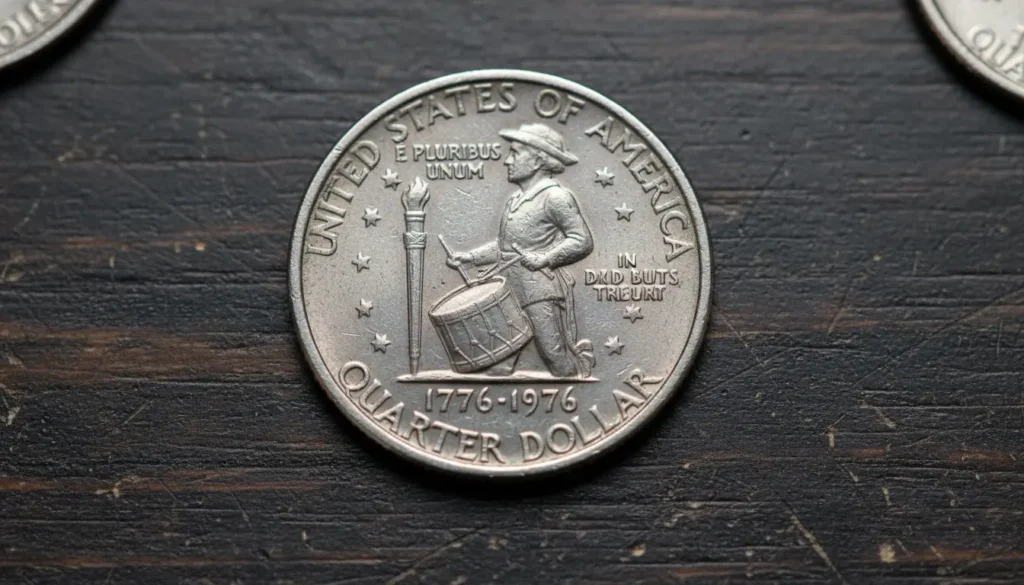
The 1976 Bicentennial quarter is a familiar coin for many collectors and casual holders. Most circulate at face value, but some examples command real premiums. This guide focuses on which Bicentennial quarters are worth the most in 2025 and how to spot them.
Which Bicentennial Quarters Are Worth the Most in 2025
Value depends on type, condition, composition, and errors. In 2025 the most valuable Bicentennial quarters generally fall into four groups: silver proofs, high-grade mint state coins, serious errors, and certified special varieties. Each category has predictable markers collectors look for.
1. 1976-S Silver Proof Quarters (40% Silver)
The U.S. Mint issued special silver proof sets for the Bicentennial. These 40% silver proofs are intrinsically more valuable than clad strikes. Collectors pay premiums for beautifully struck, high-grade silver proofs, especially those with deep cameo contrast or top proof grades.
How to identify:
- Part of a Bicentennial Silver Proof Set or marked as 40% silver on set packaging.
- Heavier and slightly different color than clad proofs when compared side-by-side.
- Often graded and slabbed by major services such as PCGS or NGC.
2. High-Grade Mint State (MS) Clad Quarters
Although millions were minted, a sharp, uncirculated quarter in MS67–MS69 can fetch strong prices among collectors. Look for full luster, no contact marks on the devices, and original mint satin or mint luster.
Key points:
- Professional grading raises buyer confidence and usually increases realized prices.
- MS70 examples are rare and bring the highest premiums if genuine.
3. Error Coins and Off-Metal Strikes
Errors can make a common date suddenly valuable. Popular error types include off-center strikes, double strikes, broadstrikes, clipped planchets, and significant die breaks. Values vary widely depending on the rarity and severity of the error.
Examples of valuable errors:
- Large off-center strikes showing a readable date and design.
- Clear double dies or major die cracks that alter design details.
- Struck on wrong planchet or partial silver strikes (rare and highly sought).
4. Certified Varieties and Low Mintage Pieces
Some varieties and small-run pieces command more collector interest. This includes specific strike varieties authenticated by grading services. Always consult variety guides or slab population reports when valuing these.
How to Identify Valuable Bicentennial Quarters
Accurate identification reduces the risk of missing a valuable coin. Use the following steps when you find a Bicentennial quarter that looks special.
Step-by-step identification
- Start with a good loupe (5x–10x) to check for doubling, die cracks, or unusual planchet edges.
- Weigh the coin—40% silver proofs will weigh slightly more than clad quarters.
- Check surface and luster consistency for high-grade candidates—avoid coins with hairlines or cleaning marks.
- Research the coin in variety and auction databases to compare images.
Grading, Authentication, and Documentation
Professional grading provides the most reliable route to maximizing sale value. Reputable services include PCGS and NGC. Grading adds a grade and often a population report that helps buyers trust the coin’s authenticity and scarcity.
Practical tips:
- Submit only coins you suspect are high grade or unusual; grading fees add up.
- Document provenance and any evidence (photos, purchase receipts) to support value claims.
- For errors, consider third-party attribution or specialist opinions before submitting.
Where to Sell Valuable Bicentennial Quarters
Your selling choice affects price and speed. Auction houses, online marketplaces, and local coin dealers all have pros and cons. Choose based on coin value and how much effort you want to invest.
- Auctions work well for rare or high-value coins and usually reach collector bidders.
- Online marketplaces are convenient for modestly valuable coins but require good photos and accurate descriptions.
- Local dealers offer fast sales but often at lower prices than collectors will pay.
Case Study: Finding Value in a Proof Quarter
A local collector bought an estate lot of old coins and found a deeply mirrored Bicentennial quarter in a small box. It was identified as a 1976-S proof from a silver proof set. After submission to a grading service, the coin received a high proof grade and was sold through an auction specialist to a proof collector. The sale significantly exceeded face value and rewarded careful research and authentication.
All Bicentennial quarters carry the dual date 1776–1976 and were produced only in 1975 and 1976. The U.S. Mint issued both clad and 40% silver proof versions.
Final Checklist Before Selling
- Confirm if the coin is part of a 40% silver set or a regular clad strike.
- Check for obvious errors and document them with clear photos.
- Decide whether professional grading will add more value than its cost.
- Compare sale venues and pick the one matching the coin’s expected value and your timeline.
In 2025, most Bicentennial quarters still trade near face value, but silver proofs, high-grade mint state coins, and notable errors can be worth significantly more. Careful identification, grading, and choice of sales channel will help you get the best price for any valuable pieces you find.