Bicentennial Quarter Basics: What It Is and Why People Watch for Value
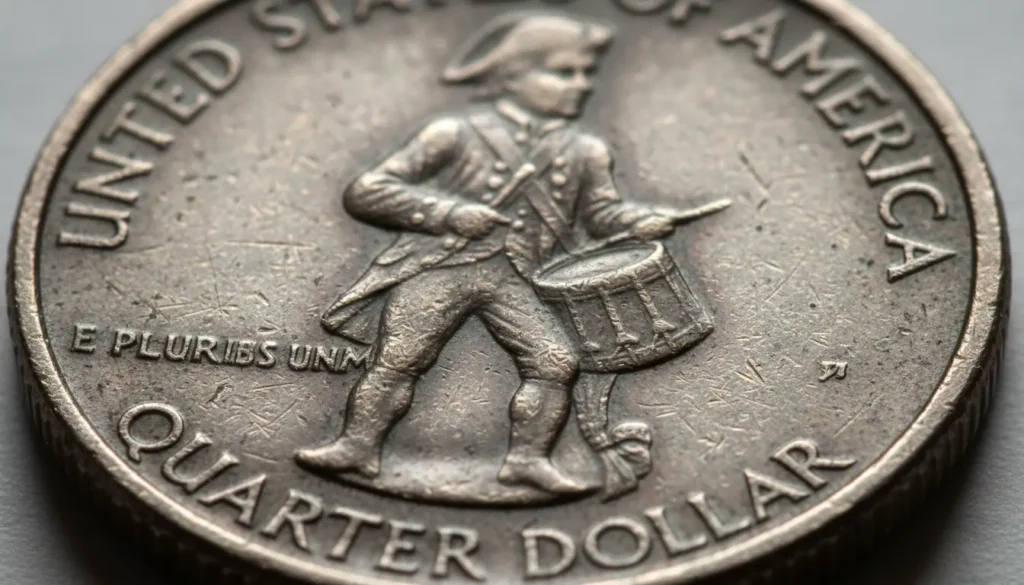
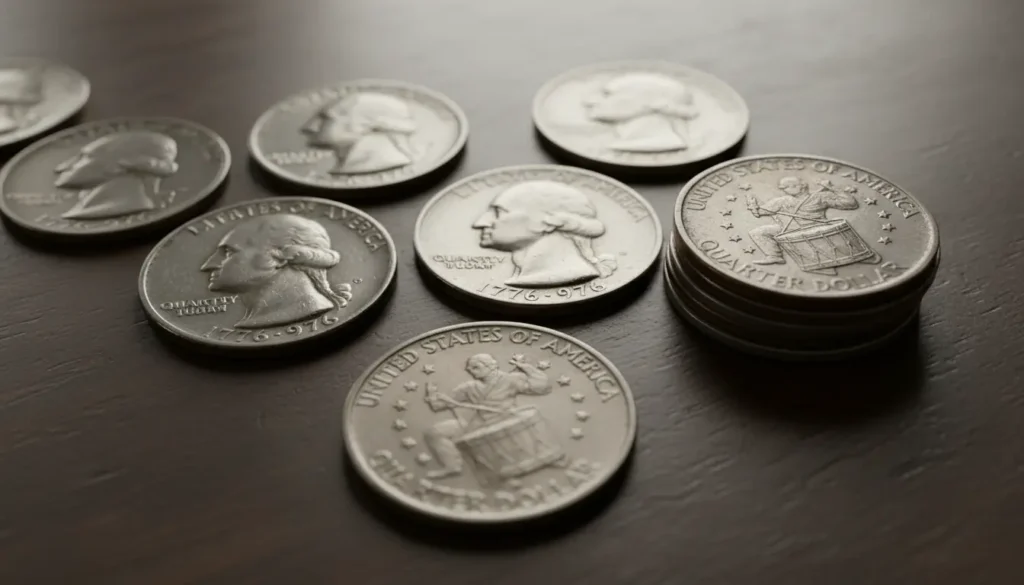
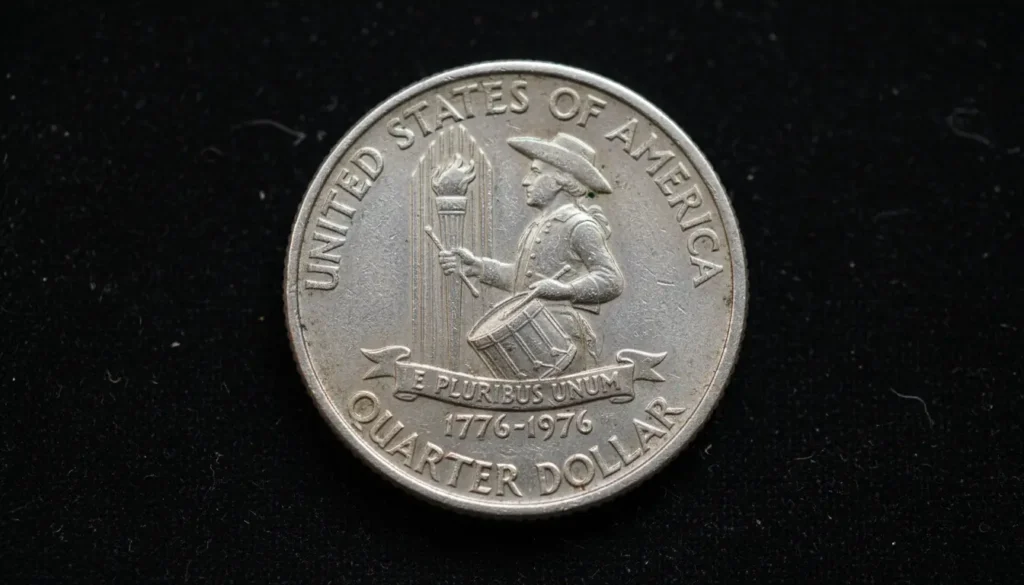
The Bicentennial quarter was issued for 1776–1976 and has the dual date 1776–1976 on the obverse. Millions were produced and most are common in circulation today.
Collectors pay attention because some varieties, mintages, and mint errors are more valuable than face value. Knowing how to spot them avoids disappointment or missed opportunities.
Could a Bicentennial Quarter Be Worth $1 Million?
Short answer: extremely unlikely. To reach seven figures a Bicentennial quarter would need to be an absolutely unique error or an unrivaled specimen in perfect condition with documented provenance.
Most Bicentennial quarters—regular circulation strikes—are worth only face value or a small premium to collectors when in high condition. Million-dollar sales almost always involve very early federal issues or historically unique coins, not modern circulation commemoratives.
What Would Make One Exceptionally Valuable?
- Unique minting error that produced a one-of-a-kind piece.
- Extremely rare composition (for example an unintended silver strike among clad coins).
- Perfectly preserved specimen graded at the highest level by a major service (PCGS, NGC) and with strong provenance.
- Historical documentation tying the coin to a notable event or owner.
How to Identify a Potentially Valuable Bicentennial Quarter
Start with obvious traits: mint mark, condition, and whether the coin is proof or circulation strike. These factors guide initial value expectations.
If you suspect something unusual, follow a step-by-step check before assuming high value.
Checklist to Inspect Your Coin
- Mint mark: Look for D (Denver), S (San Francisco), or no mark (Philadelphia on some issues).
- Proof vs circulation: Proof coins show mirror-like fields and sharper details.
- Metal composition: Most Bicentennial quarters are copper-nickel clad; some proof sets contain 40% silver examples.
- Visible errors: Off-center strikes, double dies, clipped planchets, and broadstrikes are worth further investigation.
- Condition: Assess wear—sharp details and no major scratches increase value.
Common Value Ranges for Bicentennial Quarters
Values vary widely. Here are realistic categories to set expectations when you find one in pocket change.
- Circulated common coin: Typically face value to a few dollars.
- Uncirculated MS60–MS64: Small premiums, often under $50 depending on grade.
- High mint state (MS65+) and certified proofs: Can fetch hundreds to low thousands in rare cases.
- Documented major errors or one-off rarities: Potentially much higher, but true seven-figure examples are effectively unheard of for this issue.
When to Get a Coin Authenticated or Graded
If your inspection checklist raises flags, authentication and grading are the next steps. Professional grading confirms authenticity, condition, and sometimes reveals features invisible to the naked eye.
Use reputable services like PCGS or NGC. Expect to pay fees and wait for turnaround, but a slabbed coin is far easier to sell and often fetches higher prices.
Steps to Authenticate
- Take clear, well-lit photos of both sides and any notable features.
- Consult a local coin dealer or experienced collector for initial feedback.
- If promising, submit to a professional grading service or arrange on-site evaluation through a major dealer.
The U.S. Mint struck special 40% silver Bicentennial proof coins for collectors in 1976; these differ in appearance and composition from regular circulation quarters.
Case Study: Finding Value in a Pocket Discovery
A casual discovery often follows a similar pattern: a person finds a coin that looks different and seeks a second opinion. In one reported example, a collector noticed a Bicentennial quarter with unusual fields and took it to a local coin shop.
The dealer identified the coin as a proof-like specimen with minimal wear. After professional grading the owner sold the coin to a collector interested in high-grade Bicentennial proofs. The sale produced a modest profit compared to face value, illustrating how small premiums are realistic for properly authenticated coins.
What to Do If You Think You Have a Rare Bicentennial Quarter
Follow a careful, stepwise plan to protect value and avoid scams. Quick decisions can reduce returns, so take time to verify.
- Don’t clean or polish the coin—this can destroy value.
- Photograph the coin from multiple angles immediately.
- Seek opinions from reputable dealers or local coin clubs.
- Consider professional grading if the coin shows strong signs of rarity or exceptional condition.
- Get multiple offers before selling; auction houses or specialist dealers may pay more than walk-in shops.
Summary: Be Realistic but Thorough
Yes, Bicentennial quarters can be worth more than face value, especially in high grade or with notable errors. However, the chance that a random pocket quarter is worth $1 million is effectively zero.
Careful inspection, professional grading, and dealing with reputable buyers are the best ways to discover and capture the real value if you do find something special.