Why the 1943 Lincoln Wheat Penny Is a Surprise
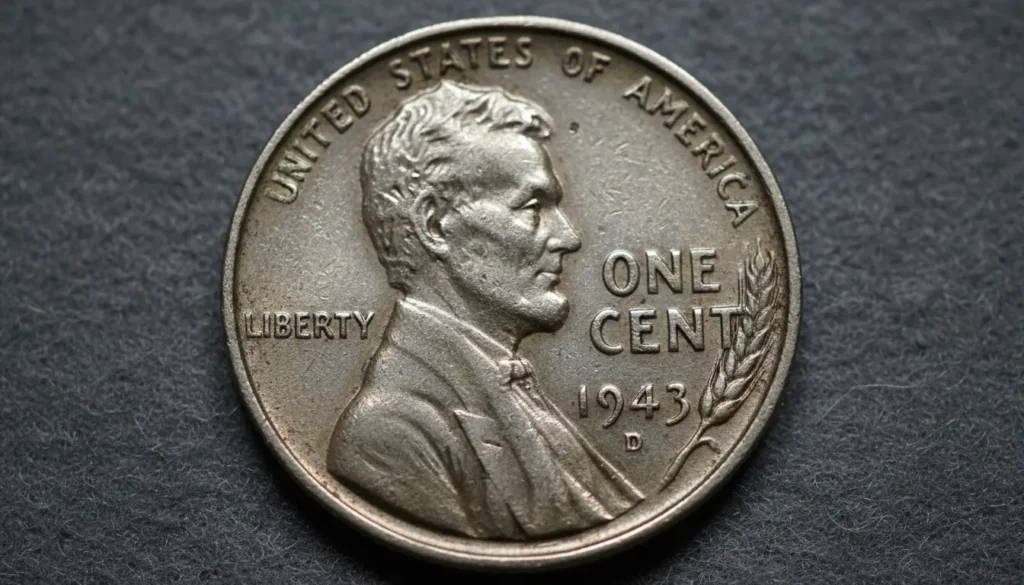
The majority of 1943 Lincoln cents were struck in steel with a zinc coating due to wartime copper shortages. As a result, most 1943 pennies are silver-colored and magnetic.
Occasionally, a small number of 1943 pennies were mistakenly struck on bronze planchets used the year before. Those bronze pieces look like ordinary pre-1982 copper cents and are extremely rare and valuable.
How to Identify a Rare 1943 Copper Penny
Knowing what to look for helps you quickly separate a potential find from common pocket change. Focus on color, magnetism, and the date.
Visual checks
Look for an unmistakable copper color rather than the silver-gray of steel cents. The obverse should display the date 1943 with Lincoln’s portrait and the wheat ears design on the reverse.
Simple tests to perform
- Magnet test: a standard 1943 steel cent will be attracted to a magnet. A bronze 1943 penny will not be magnetic.
- Weight and feel: bronze cents feel like other copper pennies. If you have a precise scale and reference, differences can be checked by an expert.
- Do not clean the coin: cleaning can harm value and remove important surface details.
Why Some 1943 Pennies Are Copper
During 1943 the U.S. Mint used steel planchets to conserve copper for the war effort. A few bronze planchets were accidentally left in the press hopper or mixed in, producing copper examples with the 1943 date.
These errors are considered mint-made varieties and are much rarer than other error types because they required a specific and unusual mistake during production.
One authenticated 1943 bronze Lincoln cent sold for about one point eight million dollars at auction after proper grading and verification.
Authentication and Grading Steps
If you suspect you have a genuine 1943 copper penny, authentication is the critical next step. Proper documentation and grading protect value and make selling easier.
Recommended process
- Do not clean or alter the coin in any way.
- Take high-resolution photographs of both sides in natural light.
- Perform a magnet test and note the results.
- Contact a reputable third-party grading service such as NGC or PCGS for guidance on submission and authentication.
- Consult a reputable coin dealer or auction house experienced with rare cents before accepting offers.
What Affects Value
Value depends on authenticity, rarity, grade (condition), and provenance. A well-documented, high-grade example commands the highest prices at auction.
Coins with clear strike detail, original surfaces, and professional grading usually sell for far more than unattributed or low-grade pieces.
Practical Advice If You Find a 1943 Copper Penny
Finding a possible 1943 copper penny can be exciting, but careful steps protect both you and the coin’s potential value.
Immediate actions
- Do not clean or polish the coin.
- Place it in a soft holder or flip to prevent further wear.
- Record where and when you found it, and any immediate observations like magnetism.
- Take multiple clear photos against a neutral background.
Follow-up actions
- Contact a local coin dealer for an initial inspection.
- Submit the coin to a professional grading service for authentication if recommended.
- Get multiple opinions on value and selling options, including reputable auction houses.
Case Study: How a Finder Proceeded
A casual example illustrates the practical steps. A person found a copper-colored 1943 penny in a jar of loose change and noticed it was not attracted to a fridge magnet. They photographed the coin and contacted a local dealer.
The dealer advised submitting the coin to a major grading service. After authentication confirmed it as a bronze 1943 strike, the coin was graded and consigned to auction. The seller received an offer after the sale that reflected the coin’s rarity and grade.
Common Scams and How to Avoid Them
Be cautious of quick private-sale offers and high-pressure tactics. Unscrupulous buyers may try to purchase a rare coin for far less than it is worth.
Red flags
- Buyers who refuse third-party grading or insist on a private sale only.
- Offers that are unusually low or require immediate payment without documentation.
- Claims that a coin is rare without providing proof or a credible provenance.
Summary: Practical Next Steps
If you find a copper 1943 Lincoln wheat penny, treat it with care, document it, and seek reputable authentication. Professional grading and good records are the quickest path to realizing the coin’s full value.
Even if you don’t intend to sell, proper authentication adds to historical knowledge and helps preserve a rare piece of numismatic history.