What is the Bicentennial Quarter?
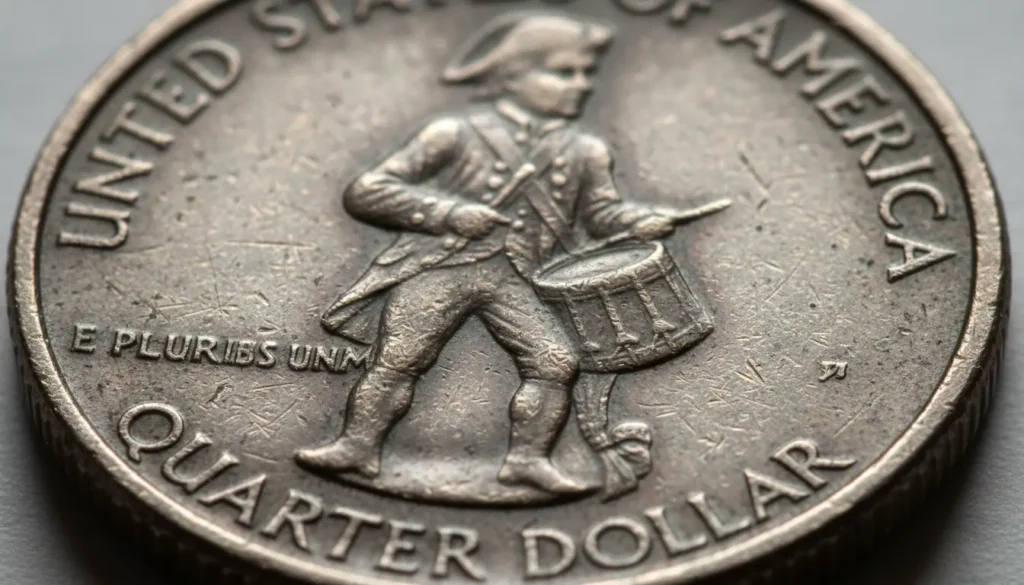
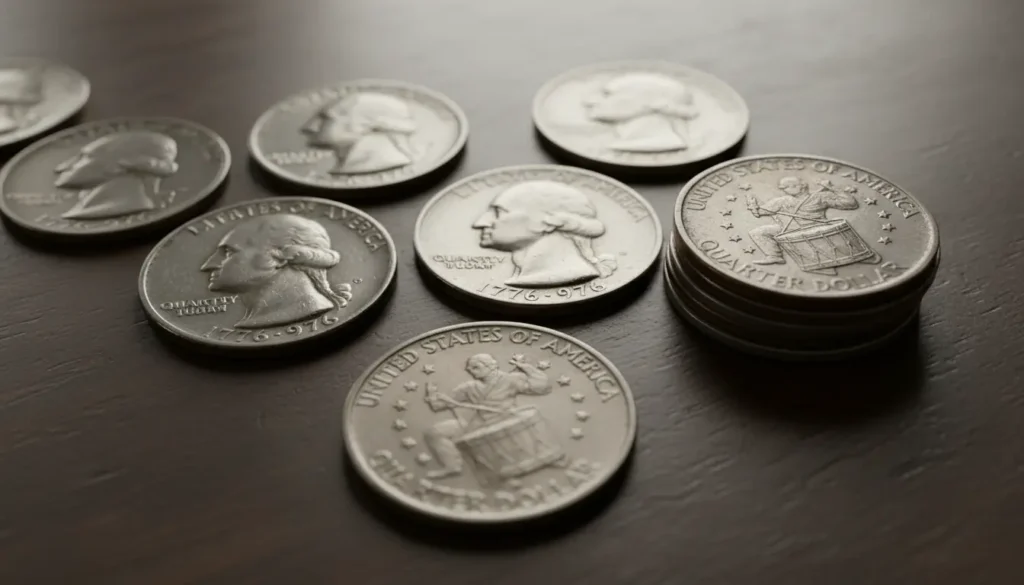
The Bicentennial Quarter was issued in 1975–1976 to celebrate the United States bicentennial. It features the dual date 1776–1976 and a special reverse design. Millions were minted for circulation, proofs, and special sets, so most examples are common.
Could a Bicentennial Quarter Be Worth $1 Million?
In practical terms, a typical Bicentennial Quarter from circulation is worth its face value or a small premium in uncirculated condition. However, coins can reach high prices when they are one-of-a-kind or exhibit exceptional mint errors. Still, a $1 million sale would be extraordinarily rare and would likely require a truly unique factor.
What would make a $1 million coin?
- Unprecedented mint error not recorded in major auction records.
- Unique composition or pattern piece that escaped a mint collection.
- Flawless grade (e.g., MS70) for a specimen that no one else has.
- Documented provenance linking the coin to a historically significant event.
How Can a Bicentennial Quarter Become Rare?
Rarity usually comes from one of three sources: limited production, unique errors, or exceptional condition. Since most Bicentennial Quarters were mass-produced, scarcity usually arises from mistakes or special production pieces.
Common error types to watch for
- Off-center strikes — the image is not aligned with the coin edge.
- Double dies — design elements appear doubled on the face or reverse.
- Wrong planchet — a coin struck on the wrong metal (rare and very collectible).
- Clipped planchets or brockages — partial blanks or mirrored designs.
How to Check if Your Bicentennial Quarter Is Valuable
Start with a careful, systematic inspection. Use proper tools and keep records of any unusual features you find. Avoid cleaning or altering the coin.
Step-by-step inspection
- Visual check: Look for obvious errors, doubling, or off-center strikes with a loupe (10x recommended).
- Weight and size: Measure weight and diameter to detect wrong-planchet issues.
- Edge inspection: Look for unusual edges or signs of reeding errors.
- Mint mark: Note the mint mark (D, S, or none) and location for catalog comparison.
Authentication and Grading for Bicentennial Quarter
If you find a possible error or an exceptionally pristine coin, professional authentication is the next step. Grading gives buyers confidence and usually raises the sale value.
Where to get a coin graded
- PCGS (Professional Coin Grading Service)
- NGC (Numismatic Guaranty Corporation)
- ANACS (for some older error work)
Submit with clear photos and a description of why you think the coin is unique. Expect turnaround time and submission fees.
The U.S. Mint produced special 40% silver Bicentennial quarters for proof sets in 1976. These are different from circulation strikes and often command higher collector interest, though they are still not typically worth six-figure sums.
Realistic Value Ranges and Marketplaces
Most circulated Bicentennial Quarters are worth face value. Uncirculated commercial examples or proof coins in 40% silver have modest collector premiums. Error coins can range from a few dollars to several thousand, depending on rarity and demand.
Where to sell
- Major auction houses (Heritage, Stack’s Bowers) for high-value or unique pieces.
- Online marketplaces (eBay) for lower-value or common sales.
- Local coin dealers for quick appraisals and offers.
Small Case Study: Finding, Grading, and Selling an Error Quarter
A hobbyist found a Bicentennial Quarter in a change jar with a clear off-center strike. After documenting the coin and photographing it, the collector sent it to a major grading service. The coin was authenticated as a significant off-center error and graded. The owner marketed the piece through an established auction house and sold it to a collector for several thousand dollars, significantly above face value.
This example shows the typical path from discovery to sale: verify, authenticate, and choose the right marketplace.
Practical Tips If You Think You Have a Valuable Bicentennial Quarter
- Do not clean the coin. Cleaning reduces value and may void professional grading.
- Document everything: photos, where you found the coin, and any unusual markings.
- Start with a reputable dealer for an initial assessment, then consider third-party grading.
- Research auction results for similar error types or high-grade examples before selling.
Final Takeaway on a $1 Million Bicentennial Quarter
While the idea of a pocket quarter being worth $1 million is exciting, it is highly unlikely for the Bicentennial Quarter series. Only an extremely rare, documented, and verifiable anomaly with broad collector interest could approach such a price. Still, many Bicentennial Quarters can be worth hundreds or thousands when they show authentic, uncommon errors or extraordinary condition.
If you think you have something unusual, follow the steps above: examine carefully, avoid cleaning, get professional authentication, and choose the proper sales channel. That is the practical route from curiosity to value.