What is the Bicentennial Quarter?
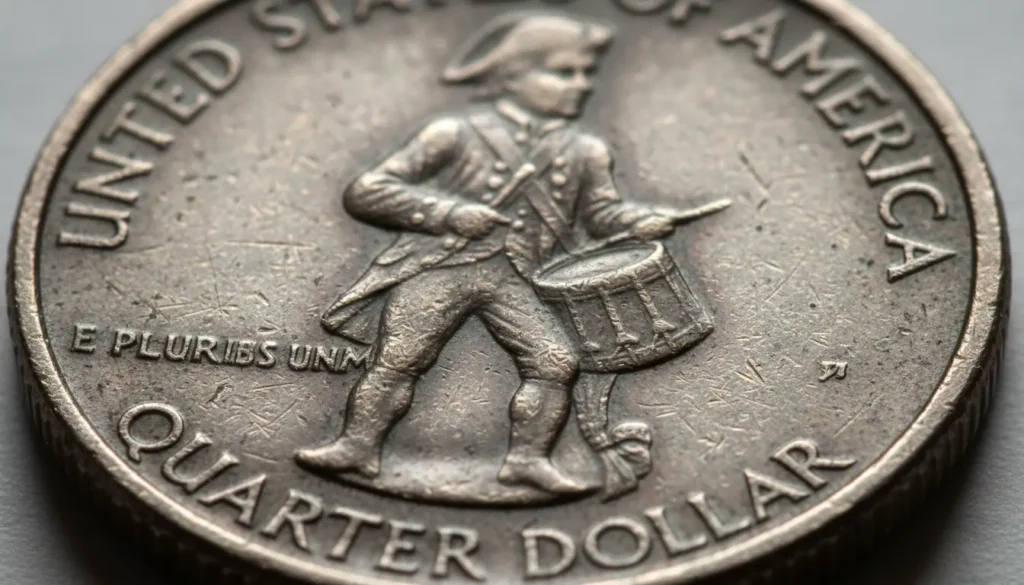
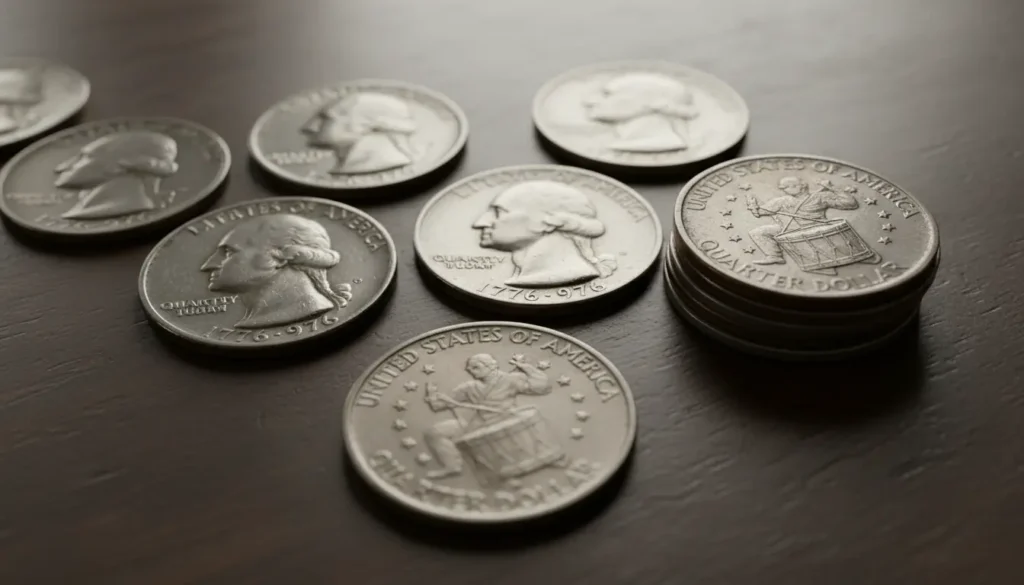
The Bicentennial Quarter was issued in 1975–1976 to celebrate the 200th anniversary of U.S. independence. The reverse shows a colonial drummer with the dual date 1776–1976. Millions were minted for circulation, proof sets, and special silver sets.
Because so many were made, most Bicentennial quarters are common and worth only face value or small premiums. Value spikes only when a coin has exceptional condition, a rare variety, or a notable mint error.
Could a Rare Bicentennial Quarter Be Worth $1 Million?
Short answer: extremely unlikely. For a Bicentennial quarter to reach seven figures, it would need to be a unique, historically significant piece with flawless authentication and a dramatic provenance.
No widely documented sale of a standard 1976 Bicentennial quarter approaches $1 million. Most high-value Bicentennial coins sell for hundreds to a few thousand dollars, even with errors or top grades.
Why $1 Million Is So Unlikely
- High mintage: Millions of Bicentennial quarters reduce rarity.
- Common designs: The motif and planchets were used broadly, lowering collector scarcity.
- Market demand: Collectors prize older or historically scarce coins more than modern, high-mintage issues.
Key Factors That Determine a Bicentennial Quarter’s Value
Several measurable elements affect a coin’s price. Check each before assuming high worth.
- Mint mark and strike — Coins from certain mints or with proof strikes can carry premiums.
- Condition and grade — Uncirculated MS or Proof grades can significantly boost value.
- Metal content — Some Bicentennial proof sets were 40% silver; those have intrinsic metal value above face.
- Error types — Off-center strikes, clipped planchets, double dies, and broadstrikes can be collectible.
- Rarity of the error — Minor errors are common; dramatic, verifiable errors are rare and more valuable.
- Certification and provenance — Grading by PCGS or NGC and documented ownership history increase buyer confidence.
How to Identify a Rare Bicentennial Quarter
Follow practical inspection steps to spot potential value. Use good light and a 10x loupe, and record clear photos of both sides and the edge.
- Look for mint marks: D (Denver), S (San Francisco), or none (Philadelphia on some pieces).
- Check for doubling: Examine letters, date, and portrait for doubled impressions.
- Inspect the rim and edge: Broadstrikes or missing reeding can indicate errors.
- Test metal: Silver proofs will feel different and can be cross-checked with weight and diameter charts.
- Note unusual features: Off-center strikes, clipped planchets, or strange die cracks.
When to Seek Professional Grading
If you believe a coin may be rare or error-prone, get it graded. Professional grading provides condition validation and protects value in resale.
Submit to recognized services such as PCGS or NGC. Keep documentation and avoid cleaning the coin, which destroys value.
Where to Appraise or Sell a Bicentennial Quarter
Use reputable channels to appraise and sell. Avoid quick offers from unknown buyers until you have a professional grade.
- Certified coin dealers and local numismatic clubs for initial opinions.
- Major grading services (PCGS, NGC) for authentication.
- Established auction houses and online coin marketplaces for selling rare coins.
Many Bicentennial quarters in special U.S. Mint silver proof sets contain 40% silver. These pieces can have a base metal value higher than face value even without rarity.
Real-World Example: A Collector’s Journey
A hobbyist found a Bicentennial quarter with a large off-center strike in loose pocket change. They photographed the coin and posted clear images to a numismatic forum for feedback. Members suggested it might be collectible due to the extent of the off-center strike.
The collector sent the coin to a grading service, which verified the error and assigned a grade. The coin later sold at a specialized auction for several thousand dollars—far above face value but still far from seven figures. This outcome shows how proper verification and venue choice matter.
Practical Steps If You Think You Have a Rare Bicentennial Quarter
- Do not clean the coin; cleaning reduces value.
- Photograph the coin under good lighting from multiple angles.
- Compare to known error types online and in price guides.
- Get an initial opinion from a reputable dealer or coin club.
- Submit to PCGS or NGC for grading if feedback is positive.
- Choose an appropriate sales channel—auction houses for high-value items, dealers for quicker sales.
Conclusion
A Bicentennial quarter in your pocket is unlikely to be worth $1 million. Most are common and low in value, though verified errors and top-grade pieces can fetch substantial premiums.
If you believe you have an unusual coin, document it, seek professional grading, and consult trusted auction or dealer channels. Careful verification is the only path to realizing significant value.