What Is a Bicentennial Quarter?
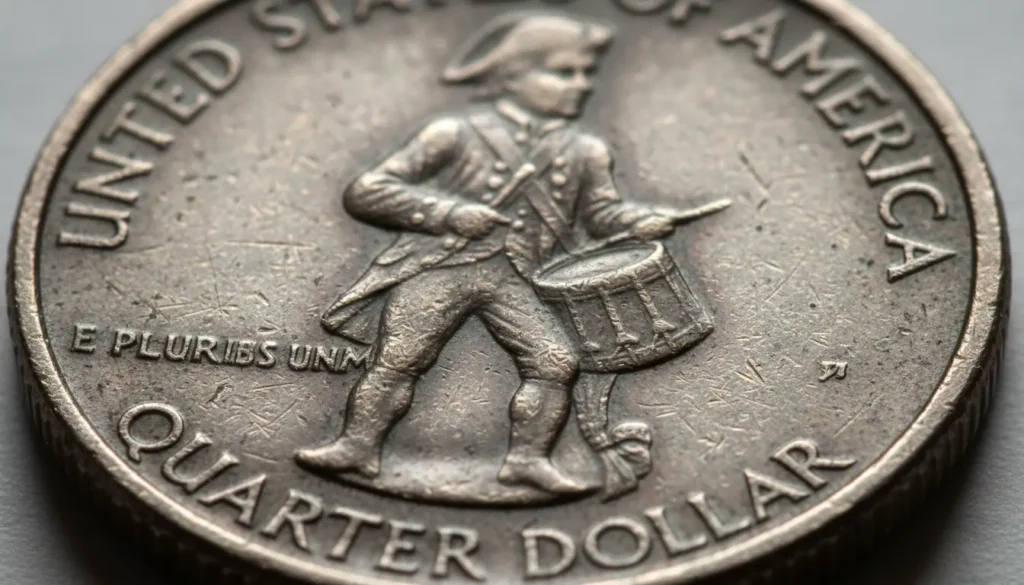
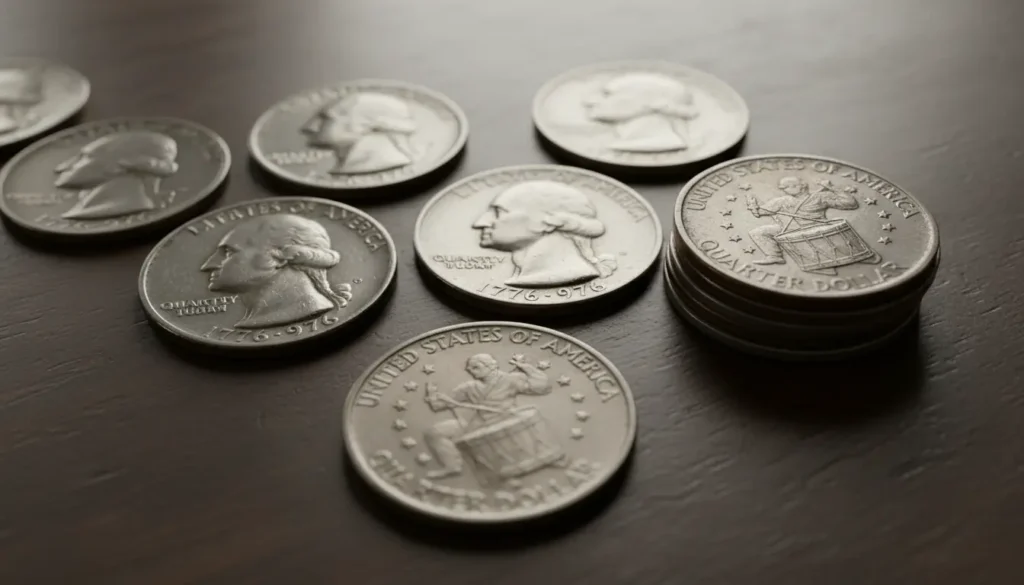
The Bicentennial Quarter was issued in 1975–1976 to mark the 200th anniversary of the United States. It features a special reverse design with a drummer and a colonial drummer boy motif and carries the dual date 1776–1976.
Millions were minted for circulation and collector sets, so most Bicentennial quarters are common. But collectors still look for rare varieties and unusual minting errors that might raise value.
Could a Bicentennial Quarter Be Worth One Million?
Short answer: Almost certainly not. The vast majority of Bicentennial quarters are worth only face value or a small premium. A one million dollar price would require an extremely unusual combination of rarity, condition, and collector demand.
That said, rare coins occasionally sell for large sums when they meet rare criteria. Understanding those criteria helps you evaluate any potential find.
Factors That Drive Coin Value
- Rarity — few known examples or a single-survivor piece.
- Condition — a flawless, high-grade coin graded by PCGS or NGC.
- Mint errors — off-metal strikes, major die breaks, or major doubling.
- Provenance — documented history or association with famous collections.
- Collector demand — changing tastes and market trends.
Which Bicentennial Varieties Attract Attention?
Collectors focus on a few categories when searching for high-value Bicentennial quarters:
- Proof coins and silver-clad proofs from the San Francisco mint (S proofs are 40% silver). High-grade proofs can be desirable.
- Major mint errors, such as off-metal strikes where the quarter is struck on a wrong planchet or a large die break producing a unique look.
- Significant doubling or repunched mint marks that are dramatic and well-documented.
Even with these factors, values usually range from a few hundred to a few thousand dollars for collector-grade or error pieces. Reaching one million would require an unprecedented and authenticated rarity.
How to Check a Bicentennial Quarter in Your Pocket
If you think you might have a valuable Bicentennial quarter, follow a step-by-step approach to check it without damaging the coin.
- Look at the date and mint mark (close to the obverse or reverse depending on type).
- Examine for obvious errors: off-center strike, wrong metal color, or doubled images.
- Weigh the coin and compare to standard quarter weight (5.67 g for clad; silver proofs will weigh differently). Use a precise scale.
- Use a magnifier and bright light to inspect details and surfaces.
- Compare your coin to online photos from reputable grading services and auction results.
Some Bicentennial quarters were issued in 40% silver for proof sets. Those silver proofs are more valuable than circulating clad examples, but they are still common in collector markets.
When to Get Professional Help
If your coin shows a clear, unusual error or looks pristine beyond typical circulating examples, seek professional advice. Do not clean or polish the coin — this can destroy value.
Options include local coin dealers, a numismatic club, or sending the coin to a recognized grading service like PCGS or NGC. Grading provides authentication and assigns a condition grade that buyers trust.
Grading and Authentication Steps
- Document the coin with high-quality photos from multiple angles.
- Ask for an appraisal from a reputable dealer to rule out common damage or alterations.
- Consider third-party grading if the appraisal suggests high value.
- Use an accredited submission service and follow their handling and packaging rules.
Real-World Example
Example: A collector found a Bicentennial quarter with a pronounced off-center strike and heavy doubling. After getting opinions from two dealers and submitting the coin to a third-party grading service, the coin was authenticated as a notable mint error. It sold at auction for several thousand dollars — far above face value, but far from one million.
This shows how important authentication and a reputable sale venue are when turning a find into cash.
Practical Tips Before Selling or Submitting
Follow these practical steps to get the best outcome for a potential rare find:
- Do not clean or repair the coin.
- Take clear photos and record where and how you found it.
- Get multiple opinions from experienced collectors or dealers.
- Compare similar auction results to set realistic expectations.
- Choose a reputable auction house or dealer if selling; get a written offer.
Conclusion: Keep Calm and Verify
While a Bicentennial quarter in your pocket is unlikely to be worth one million dollars, rare examples and striking errors can be worth thousands. The key is careful examination, professional authentication, and realistic expectations.
When in doubt, document the coin, seek multiple opinions, and use recognized grading services to determine true value. That process gives you the best chance to discover a genuine rarity and achieve a fair sale.