What is the Bicentennial quarter?
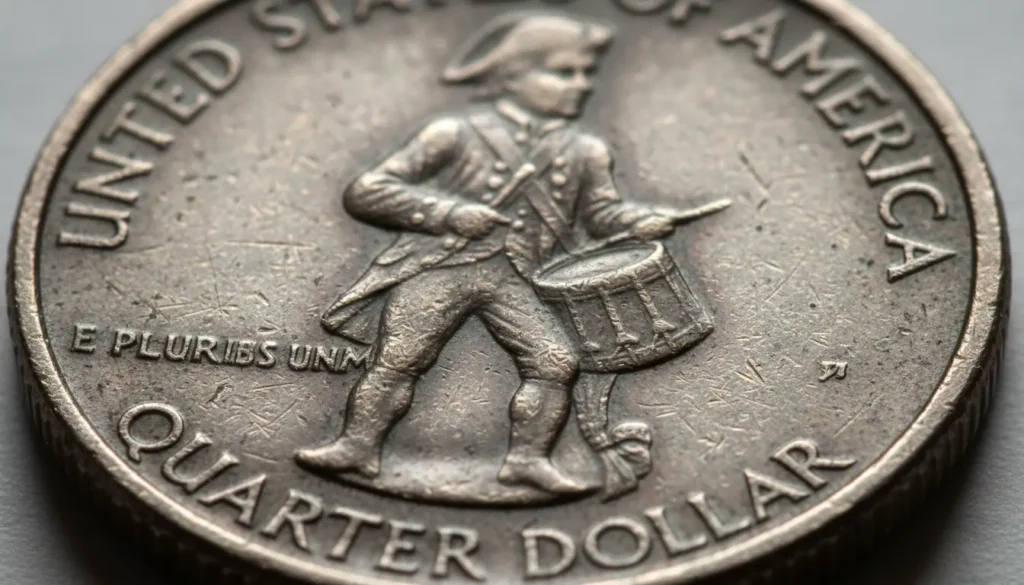
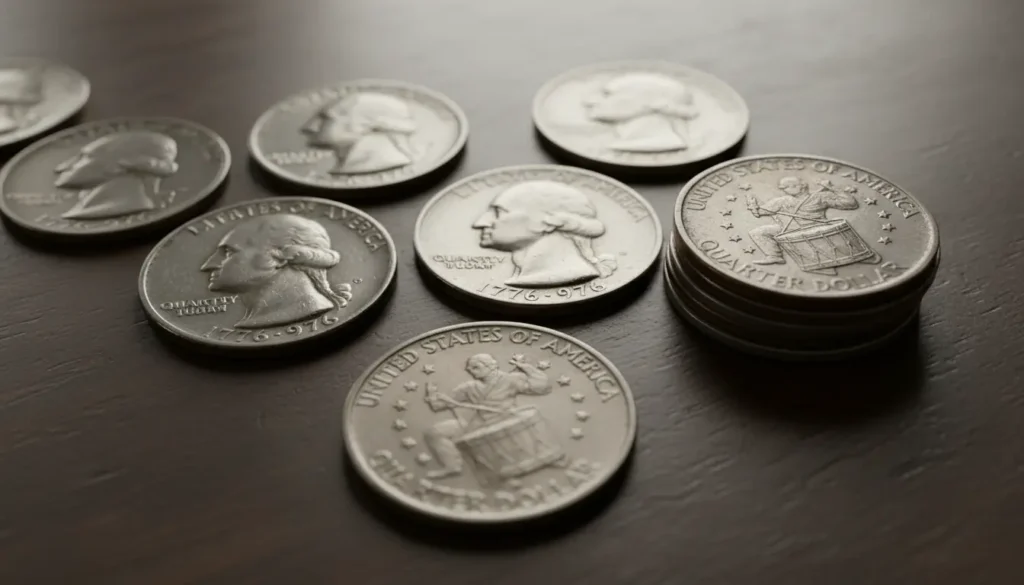
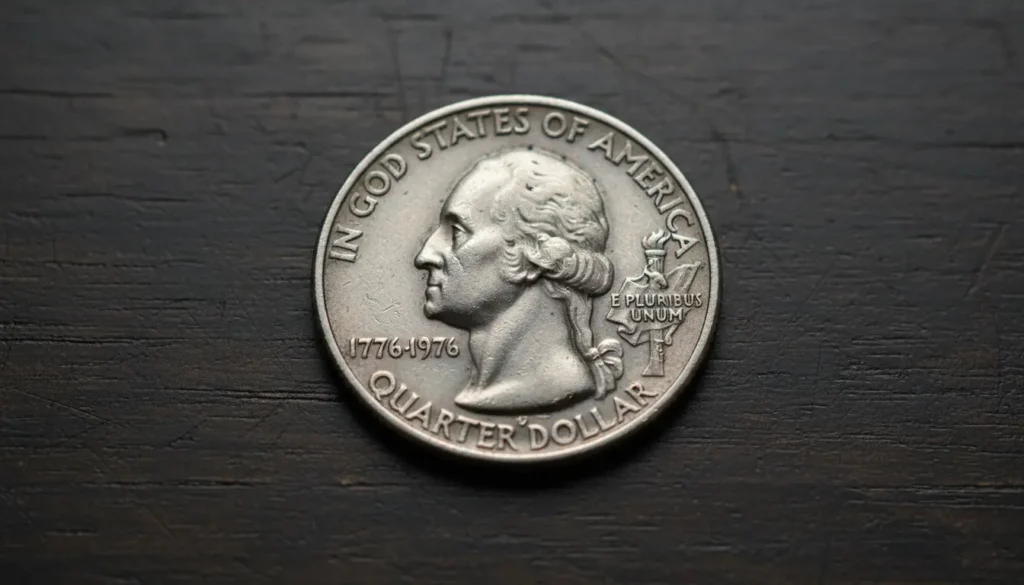
The Bicentennial quarter was issued in 1975 and 1976 to celebrate the 200th anniversary of the United States. Its reverse shows a Colonial drummer and a torch encircled by 13 stars, replacing the usual eagle design.
Millions were struck, and most circulate at face value. Still, collectors ask whether any Bicentennial quarter could be worth huge sums of money, even into the six figures or more.
Why some Bicentennial quarters are rare
Rarity in coins comes from limited numbers, unusual errors, or pieces that escaped normal release. For the Bicentennial quarter, rarity depends on a few specific features.
Key reasons a Bicentennial quarter might be rare include minting errors, special proof strikes, and unusual planchet material.
Minting errors that increase value
Error coins attract collectors because they are one-of-a-kind or exist in very small groups. Common valuable errors include double dies, off-center strikes, clipped planchets, and die cracks.
For Bicentennial quarters, examples of higher-value errors documented by dealers are:
- Double die obverse or reverse causing doubled lettering or images
- Off-center strikes where part of the design is missing
- Struck on the wrong planchet (e.g., a different denomination’s blank)
Proof and high-grade uncirculated examples
Proof coins and high-grade Mint State pieces are limited in supply and often command premiums. Prestige and certified condition are important for Bicentennial quarters.
Certification by major services (PCGS, NGC) that assigns a high grade (MS67 and above) can dramatically increase market value compared with average circulated coins.
Most Bicentennial quarters were produced in the tens or hundreds of millions, so ordinary circulated examples are common and usually worth face value.
How to check if your Bicentennial quarter is valuable
Follow a simple step-by-step process to evaluate a potential rare Bicentennial quarter. Start with a careful visual inspection and move to professional grading if warranted.
Step-by-step inspection
- Look for obvious errors: doubling, missing elements, or off-center strikes.
- Check the edge and planchet for clips or unusual metal color.
- Compare your coin to clear images of standard Bicentennial quarters online or in a reference guide.
If you spot something unusual, photograph the coin under good light and magnification. Clear images help dealers and graders assess value remotely.
When to seek certification
If your coin appears to have a major error or is in exceptional condition, send it to a major grading service for authentication. Certification documents the coin’s authenticity and condition and makes selling easier.
Remember the costs: grading and shipping add fees, so weigh the potential value before submitting.
Real-world example: A Bicentennial error sale
In one documented case, a collector found a Bicentennial quarter with a clear off-center strike and significant doubling. After authentication and grading, the coin sold at auction for several thousand dollars.
That sale shows the path from discovery to sale: recognize an error, document and photograph the coin, certify with a respected grading company, and use a reputable auction or dealer to sell.
Selling a rare Bicentennial quarter
If you confirm that your coin is rare, consider these selling options. Each has benefits and trade-offs related to price, speed, and convenience.
- Auction houses: Good for high-value, rare coins. They reach collectors willing to pay top prices.
- Specialized coin dealers: Faster sales, though dealers will take a commission or buy at a wholesale price.
- Online marketplaces: eBay and specialist sites give control; shipping and buyer verification are responsibilities you must manage.
For very high-value coins, use insured shipping and require signature on delivery. Keep records of authentication and provenance to support the sale price.
Could a Bicentennial quarter be worth $1 million?
While dramatic headlines occasionally claim coin values that high, a Bicentennial quarter reaching $1 million is extremely unlikely. Most Bicentennial quarters are common; only extraordinary, verifiable factors would push value toward that level.
Factors that would be needed for a seven-figure sale include a unique, dramatic error that appeals to top collectors, absolute verification by major graders, and strong demand at auction. Even then, market appetite is unpredictable.
Quick checklist if you find a potentially valuable coin
- Handle the coin by the edges to avoid adding marks.
- Document the coin with high-quality photos and notes about where and how you found it.
- Compare to reliable reference sources and past auction records.
- Consult with experienced coin dealers or numismatic forums for initial opinions.
- If warranted, submit for professional grading and authentication.
Finding a rare Bicentennial quarter is exciting, but most discoveries will not equal dramatic headlines. A calm, methodical approach — inspect, document, authenticate, and then sell through a trusted channel — gives you the best chance of realizing real value from a rare find.