If you found a 1976 Bicentennial quarter in your pocket, you probably wondered if it could be worth a lot. Most are common and worth face value or modest premiums if uncirculated or silver. This guide explains what to look for and how realistic a $1 million value would be.
What is the Bicentennial Quarter?
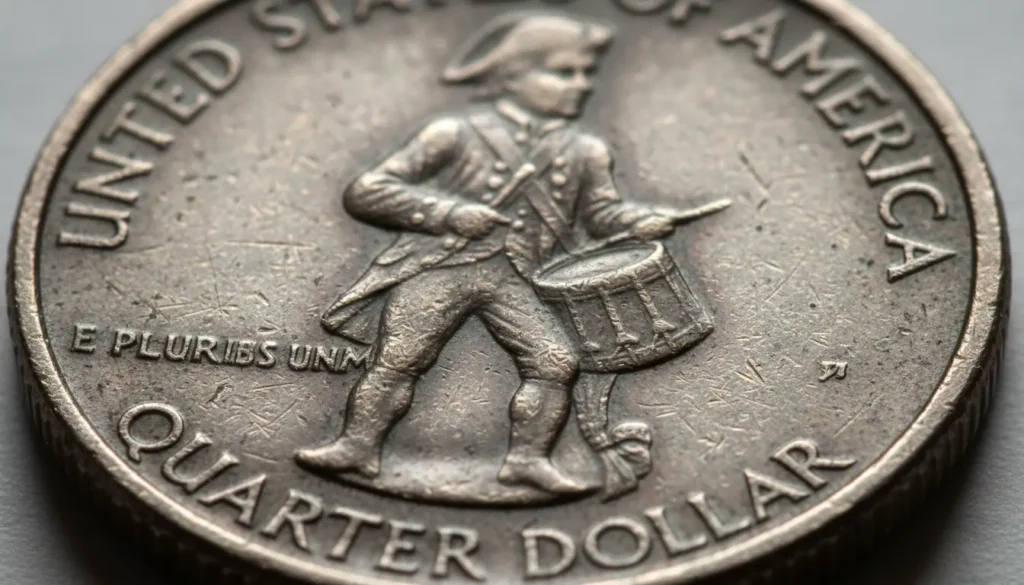
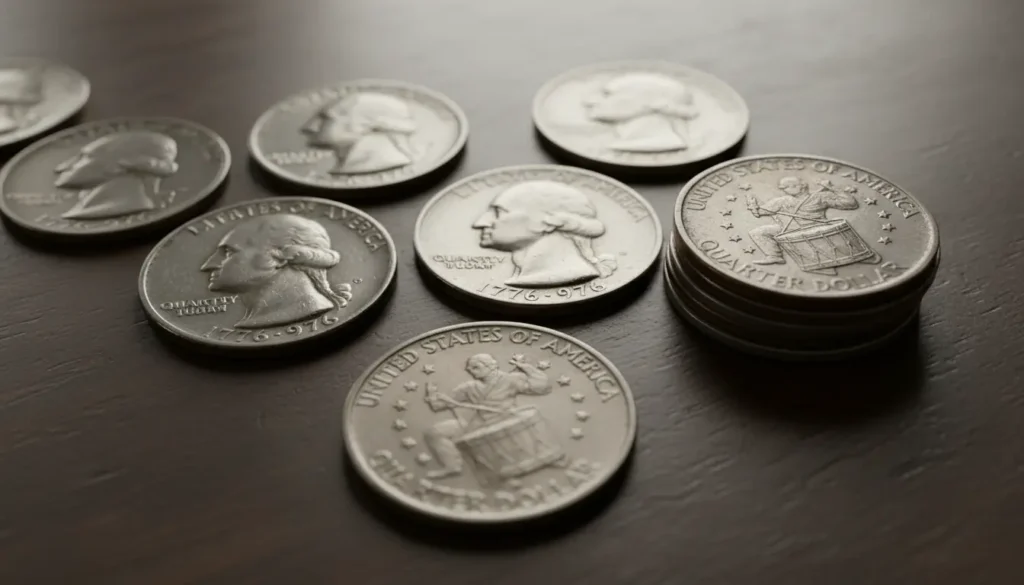
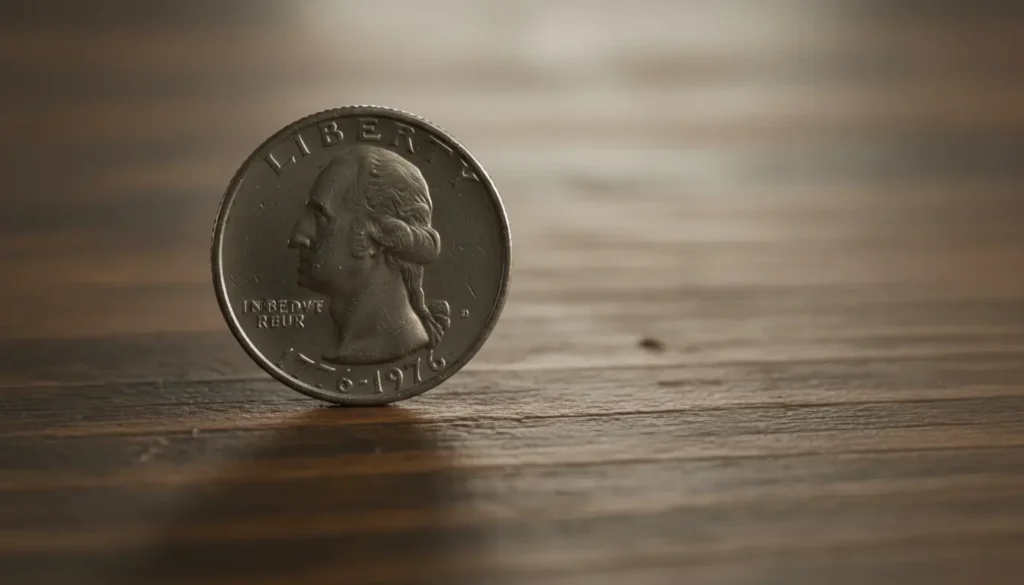
The Bicentennial Quarter was issued to mark the United States Bicentennial in 1976. It carries the dual date “1776–1976” and a special reverse design showing a colonial drummer. These coins were minted for circulation, special uncirculated sets, and proof sets.
Bicentennial Quarter design and types
There are three main circulation types: coins from Philadelphia, Denver, and special proof or silver-clad issues from San Francisco. Proofs and silver-clad pieces were sold in mint sets and typically command higher collector interest than circulated examples.
How the Bicentennial Quarter Became Rare
Most Bicentennial quarters are not rare because billions were produced. Rarity arises from a few specific situations: limited mintages, high-grade survivals, or genuine minting errors.
Common reasons a Bicentennial Quarter can be valuable
- Uncirculated condition (MS65 and above) or professionally graded high grades (MS67–MS70).
- Proof coins, especially 40% silver proofs, kept in pristine condition.
- Major mint errors such as striking double dies, off-center strikes, or missing mint marks that are verified by experts.
- Unique or extremely rare pattern coins and known one-of-a-kind errors with documented provenance.
Some Bicentennial quarters were issued in 40% silver for proof sets. Those silver proofs can be worth more than ordinary circulation pieces, but they still usually sell for hundreds, not millions.
Could Your Pocket Change Be Worth $1 Million?
Short answer: it is highly unlikely. The market puts extreme value only on coins that are either historically unique or have extraordinary collector demand and authentication. For a Bicentennial quarter to reach $1 million, it would need to be an absolutely unique mint error or an authenticated pattern with strong provenance.
Why $1 million is unlikely for most Bicentennial Quarters
- Large mintage numbers: Billions of Bicentennial quarters were produced for circulation and collectors.
- Common designs: The drummer reverse and dual date were widely issued, reducing uniqueness.
- High-value coins usually have historical importance beyond a commemorative issue.
Millions are paid for coins like the 1794 Flowing Hair dollar or the 1933 Double Eagle because of extreme rarity and historical significance. A modern commemorative quarter would need a truly exceptional story to reach similar prices.
How to Check Your Bicentennial Quarter
Follow these practical steps to assess a coin you find. Do not clean or alter the coin. Cleaning often destroys collector value.
Step-by-step inspection
- Look for design details: Ensure the coin is marked “1776–1976” and shows the drummer reverse.
- Check the edge and weight: Silver proofs are heavier than clad circulation pieces. If you have a precise scale, compare to published specifications.
- Search for mint marks and anomalies: Note any doubling, off-center strikes, extra metal, or missing elements.
- Photograph the coin: Take clear, well-lit images of both sides and the edge for documentation.
- Consult trusted references or an online coin database to compare varieties.
If you suspect an error or unusually high grade, get professional advice before selling. Use reputable coin dealers or auction houses and consider third-party grading.
Grading and Authentication
Professional grading services like PCGS and NGC assign grades and verify authenticity. A high grade (MS69–MS70 or PR69–PR70) increases value, but even top grades for Bicentennial quarters typically do not approach six figures.
How to submit a coin for grading
- Document the coin with photos and notes about where it was found.
- Choose a trusted grading service and membership option for submission.
- Follow the submitter instructions; include insured shipping and secure packaging.
- Expect grading fees and turnaround time; fees are generally modest compared with potential value gains.
Real-World Example
Case study: A collector purchased a lot of unsearched coins at a local estate sale. Among hundreds of quarters, one uncirculated 1976-S silver proof was kept intact and later submitted to a grading service. After authentication and a high proof grade, it sold at a specialist auction for several hundred dollars, well above face value but far below a six-figure sum.
This example shows typical outcomes: proper grading and provenance help, but most Bicentennial quarters remain modestly valued.
What To Do If You Think You Have a Rare Piece
Take calm, methodical steps. Avoid quick sales to buyers who pressure you. Follow this checklist:
- Do not clean the coin.
- Photograph and document the find.
- Seek multiple opinions from reputable dealers or online expert forums.
- Consider professional grading if the coin appears uncirculated or error-laden.
- Get written condition and provenance when arranging a sale or auction consignment.
Even if a coin is not worth $1 million, proper handling can significantly increase the price you receive compared with a casual sale.
Final Practical Tips
Most Bicentennial quarters are worth little above face value. Look for high-grade, silver proofs, or well-documented errors if you hope to find a more valuable coin. Use professional grading and reputable dealers for the best chance at fair market value.
If you want help evaluating a specific coin, gather photos and any purchase or find details before contacting a professional. Accurate documentation and patient steps will protect both value and authenticity.