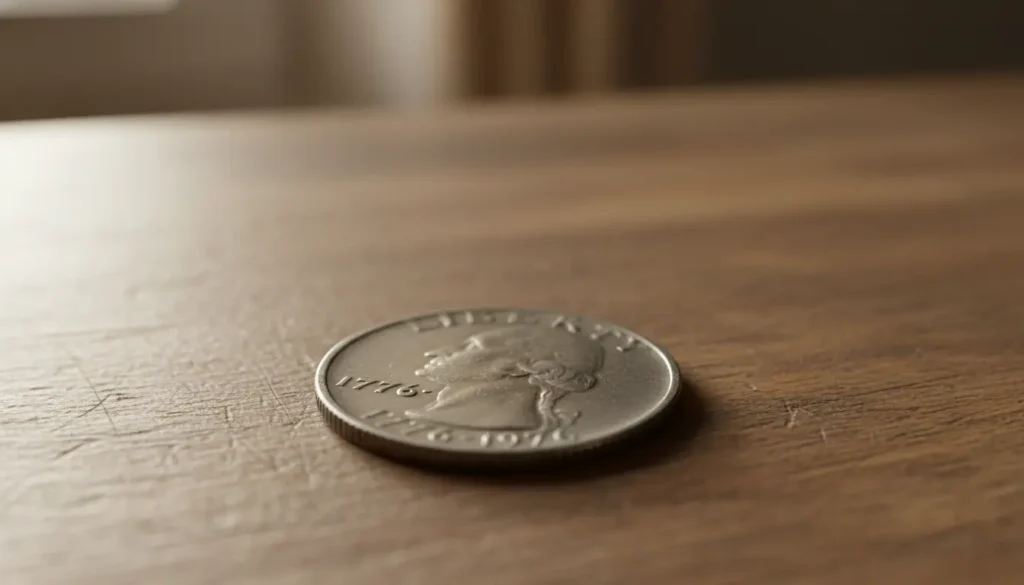
If you have a 1976 quarter marked 1776-1976, you have a Bicentennial Quarter. Most of these coins are common, but certain types and errors can be valuable. This article explains what to look for, how experts value these quarters, and whether a million-dollar coin is realistic.
What is the Bicentennial Quarter?
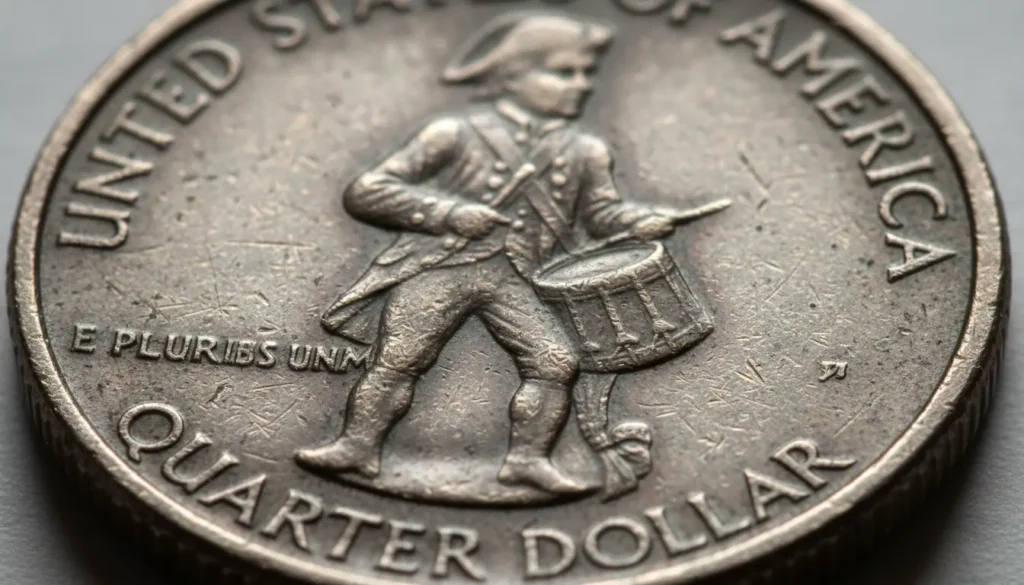
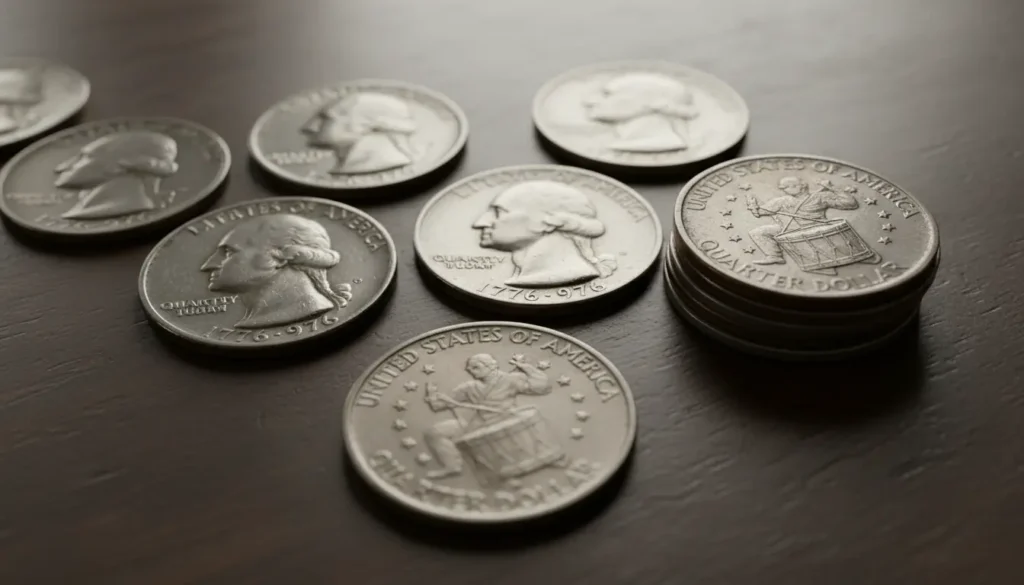
The Bicentennial Quarter was issued in 1976 to celebrate the United States bicentennial. The reverse features a colonial drummer and the dual date 1776-1976. These quarters were struck for general circulation and for special proof and silver-clad sets.
Mint varieties include coins from Philadelphia (no mint mark), Denver (D), and San Francisco (S for proofs). Some special silver-clad proofs were made and sold in commemorative sets, which can be more desirable to collectors.
Could a Bicentennial Quarter Be Worth $1 Million?
Short answer: it is extremely unlikely. There are no widely documented sales of a Bicentennial Quarter reaching $1 million. Most circulating Bicentennial Quarters are common and worth face value or a small premium in uncirculated condition.
That said, highly graded proofs, verified errors, or coins with exceptional provenance can command strong prices—but typically in the hundreds to low tens of thousands of dollars range, not millions.
Why $1 million is unlikely
- High mintage: Millions of Bicentennial Quarters were produced, reducing scarcity.
- Modern issues: Coins from the modern era are less rare than early American types that routinely reach high auction records.
- Market demand: Even rare errors from the modern era attract collectors, but the pool of buyers and willingness to pay extreme prices is smaller.
Key Factors That Affect Bicentennial Quarter Value
Understanding value means checking several core attributes. Each one influences price independently and in combination with the others.
Condition (Grade)
Condition is critical. Third-party grading from PCGS or NGC that assigns high mint state grades (MS67, MS68, etc.) increases value substantially. Uncirculated coins in raw condition may still need grading to realize high prices.
Mint Mark and Type
Proof coins from San Francisco (S) and silver-clad proof issues are more collectible than most circulation strikes. Look for proofs in original packaging or certification.
Errors and Varieties
Some errors make modern coins interesting. Examples include off-center strikes, doubled dies, wrong planchets, and clipped planchets. Significant and well-documented errors typically get the most collector attention.
Common Bicentennial Quarter Errors to Watch
Not every anomaly adds value. Focus on well-known error types that are authenticated by experts.
- Off-center strikes exceeding 10% — larger offsets are harder to find and typically more valuable.
- Doubled die obverse or reverse — clear, strong doubling on letters or design elements is important.
- Wrong planchet or silver-clad pieces in circulation — incorrect planchets can be rare.
- Significant die cracks or die breaks — may interest specialized collectors.
How to Check a Bicentennial Quarter
Follow a simple, cautious process when you suspect you have a valuable Bicentennial Quarter. Avoid cleaning coins, as it destroys collector value.
- Inspect visually with a magnifier for mint marks, doubling, or off-center strikes.
- Compare weight and dimensions to reference charts or an official coin guide to detect silver or wrong planchets.
- Check for original packaging or certificates if the coin came from a set.
- Consult online databases and auction records for comparable coins and reported sales.
- If promising, submit the coin to PCGS or NGC for authentication and grading.
The Bicentennial design appeared on the quarter, half dollar, and dollar in 1976. The designer of the quarter reverse was Jack L. Ahr, featuring a colonial drummer.
Real-World Example: A Practical Case Study
A collector found a 1976-S Bicentennial proof quarter in a family box marked as a proof set item. The coin was still in its original plastic and had strong cameo contrast. The collector had it graded by a major service. The high grade and proof status made it worth several thousand dollars at auction, not anywhere near a million, but far above face value.
This case shows two points: proof and silver-clad presentation matter, and professional grading unlocks collector interest and transparent pricing.
Practical Steps If You Think You Have a Rare Bicentennial Quarter
Follow these steps to avoid mistakes and get a realistic value.
- Do not clean or alter the coin; this reduces value.
- Take clear photos and record any packaging or provenance.
- Use reputable coin guides and online auction archives to compare.
- If promising, get a professional authentication and grading.
- Use established auction houses or reputable dealers when selling.
Final Advice on Bicentennial Quarter Values
Finding a Bicentennial Quarter worth $1 million is essentially a headline scenario rather than a practical one. However, valuable examples do exist: proofs, silver-clad specimens, and significant errors can be worth substantial sums to the right buyer.
Be realistic, document what you have, and use trusted grading services. That approach gives you the best chance of accurately determining value and selling to a collector who appreciates the coin.