What is the Rare Bicentennial Quarter?
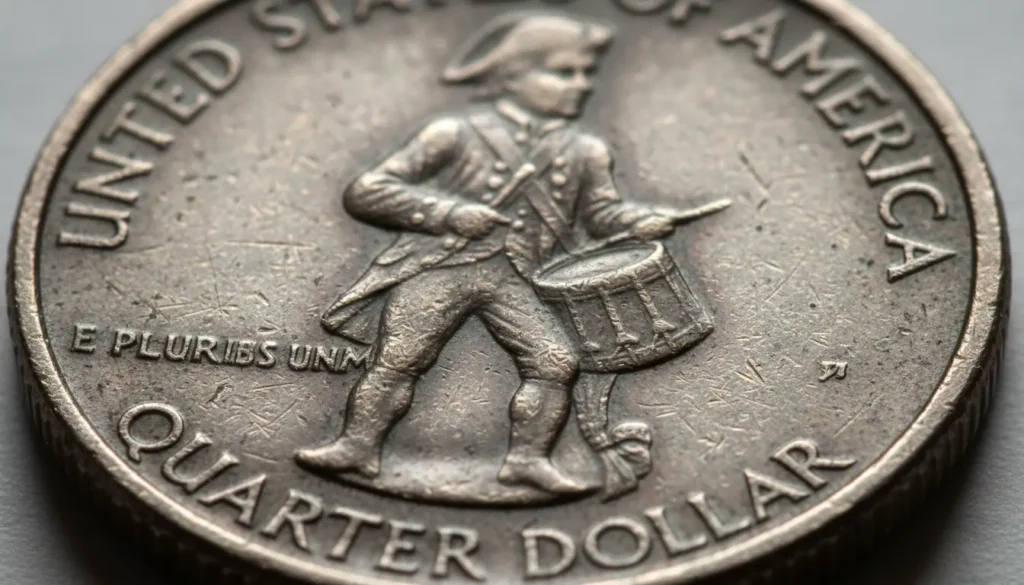
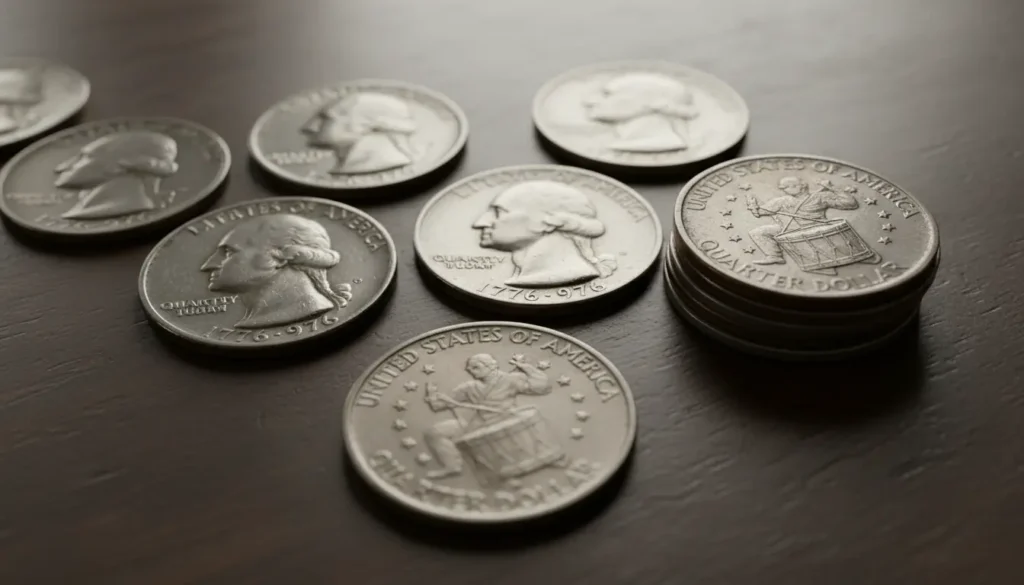
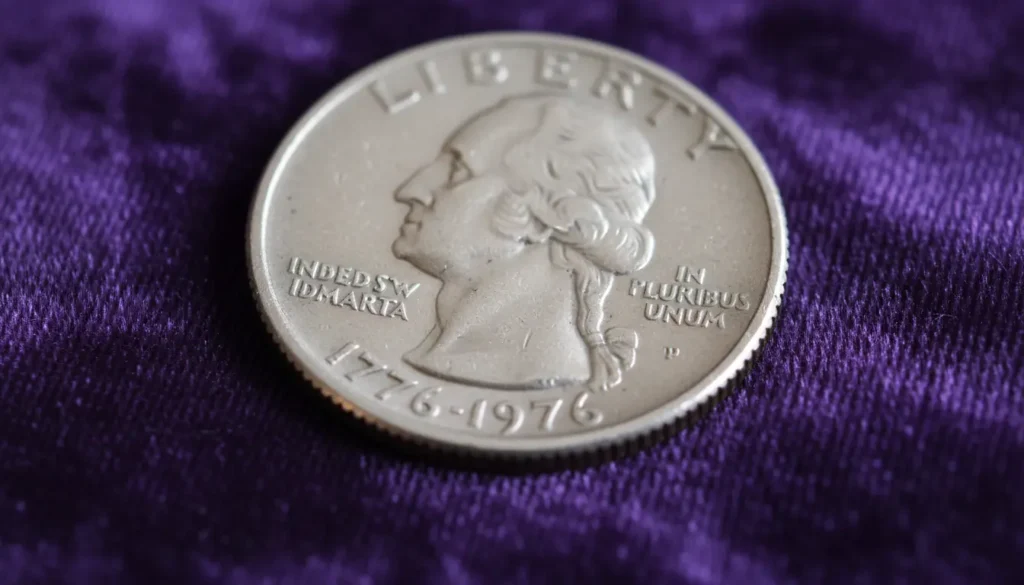
The Bicentennial quarter was issued in 1976 to mark the 200th anniversary of U.S. independence. Most were mass-produced and remain common in circulation today.
When collectors say “rare Bicentennial quarter,” they mean unusual conditions or production errors that significantly reduce supply. Those differences are what drive higher values.
How to Identify a Rare Bicentennial Quarter
Start with a careful, step-by-step inspection. A basic visual check often reveals whether a coin is ordinary or might need expert attention.
Bicentennial Quarter key features to check
- Mint mark and date area for oddities.
- Surface quality: scratches, bag marks, or deep wear.
- Unusual die features: doubling, cracks, or misaligned dies.
- Planchet issues: clipped planchet, lamination defects, or foreign material.
Use a 10x loupe or a magnifying glass to look for mint errors and die varieties. Photograph any unusual features for comparison and documentation.
Common error types that can raise value
- Off-center strikes
- Double dies or striking doubling
- Severe die cracks or cuds
- Planchet anomalies (clipped or layered planchets)
- Striking over foreign coinage or significant filled devices
Could a Bicentennial Quarter Be Worth $1 Million?
Realistically, a standard Bicentennial quarter from circulation will not be worth anywhere near $1 million. Most are worth face value to a few dollars even in uncirculated condition.
Extreme values like $1 million would require a unique combination: a one-of-a-kind error, pristine preservation, verified provenance, and intense collector demand. That combination is extremely rare.
How values scale for Bicentennial quarters
- Circulated coins: typically face value to a few dollars.
- Uncirculated high-grade coins: tens to low hundreds of dollars.
- Documented error or unique die varieties: hundreds to several thousands of dollars.
- Exceptionally rare, historically significant pieces with verified uniqueness: potentially five or six figures in extreme cases, but million-dollar sales are effectively hypothetical without extraordinary provenance.
Steps to Authenticate and Value Your Coin
If you suspect you have a rare Bicentennial quarter, follow a disciplined process before assuming major value.
Simple inspection checklist
- Clean only with air or soft cloth—do not scrub or use chemicals.
- Document with clear photos under good lighting.
- Compare with reference images from trusted sources (NGC, PCGS, Red Book).
- Note mint marks: D (Denver), S (San Francisco), or none (Philadelphia).
Professional authentication
Send the coin to a reputable third-party grading service (PCGS, NGC, ANACS). Grading and encapsulation (slabbing) give buyers confidence and often increase sale prices.
Obtain a written provenance if the coin has a known history, or keep a record of when and where it was found. Auction houses and advanced collectors pay premium for excellent documentation.
How to Sell a Rare Bicentennial Quarter
Choosing the right sales channel affects final price. Consider these options based on how rare and valuable the coin appears.
- Local coin dealers for quick trades and price checks.
- Reputable auction houses for rare and high-value pieces.
- Online marketplaces for lower-value coins or broad exposure.
- Specialist vintage coin auctions for unusual error coins.
Always get multiple opinions or estimates before selling, and insist on transparent buyer fees and seller protections.
Case Study: Finding an Unusual Strike
A hobbyist found an odd-looking 1976 quarter in a jar of change and noticed the design looked shifted. They photographed the coin and took it to a local dealer for advice.
The dealer recommended submitting the coin to a grading service. The slabbed coin was confirmed as a significant off-center strike and was offered at a specialist auction. The final sale fetched several thousand dollars—far above face value but far below the speculative million-dollar figure.
This example shows how authentic errors can be valuable, but also how real market values typically reflect demand and verification more than headlines.
The Bicentennial quarter design was used only for the 1975–1976 production and carries the dual date 1776–1976. Most circulating quarters from that period are common and easy to find.
Practical Tips for Collectors
- Keep coins in protective holders to avoid damage and preserve value.
- Document any unusual features immediately with photos and notes.
- Use trusted references and grading services for authentication.
- Get multiple valuations before committing to a sale.
In short, a Bicentennial quarter can be worth far more than face value if it has authentic mint errors, exceptional grade, or strong provenance. However, the chances of a 1976 quarter being a unique, million-dollar piece are extremely low. Careful inspection, professional authentication, and realistic market research are the practical steps to determine true value.