What is a Bicentennial Quarter?
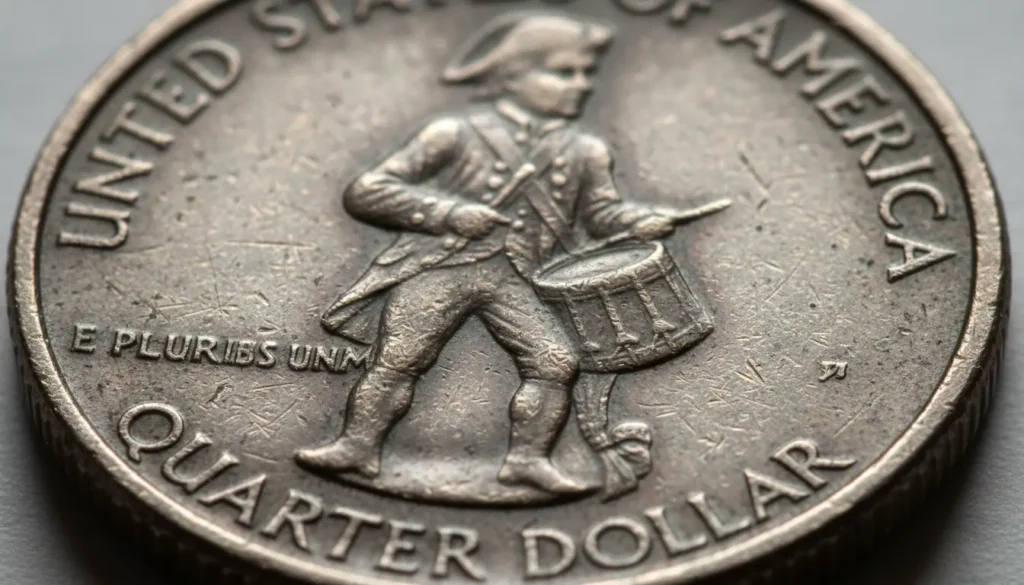
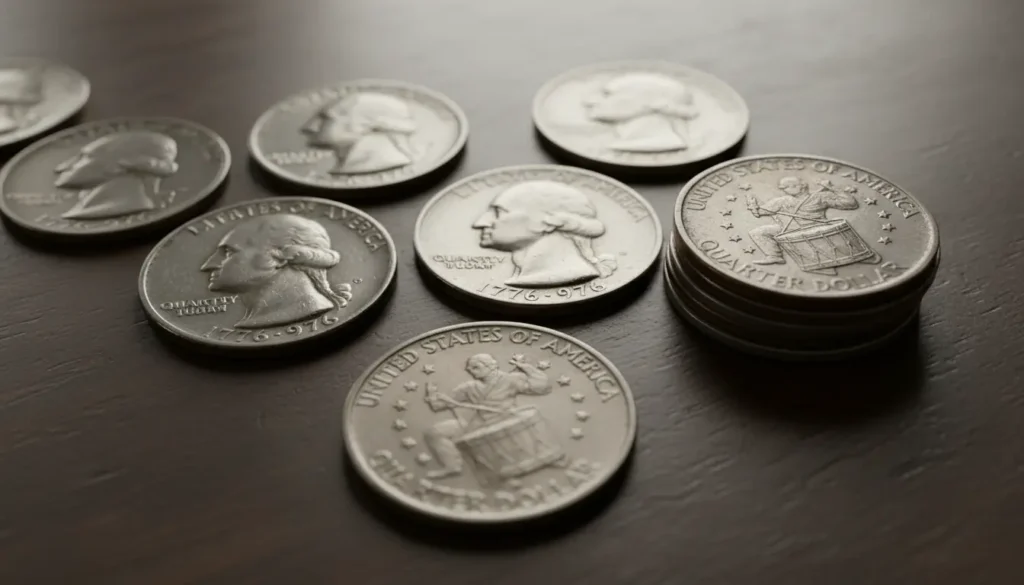
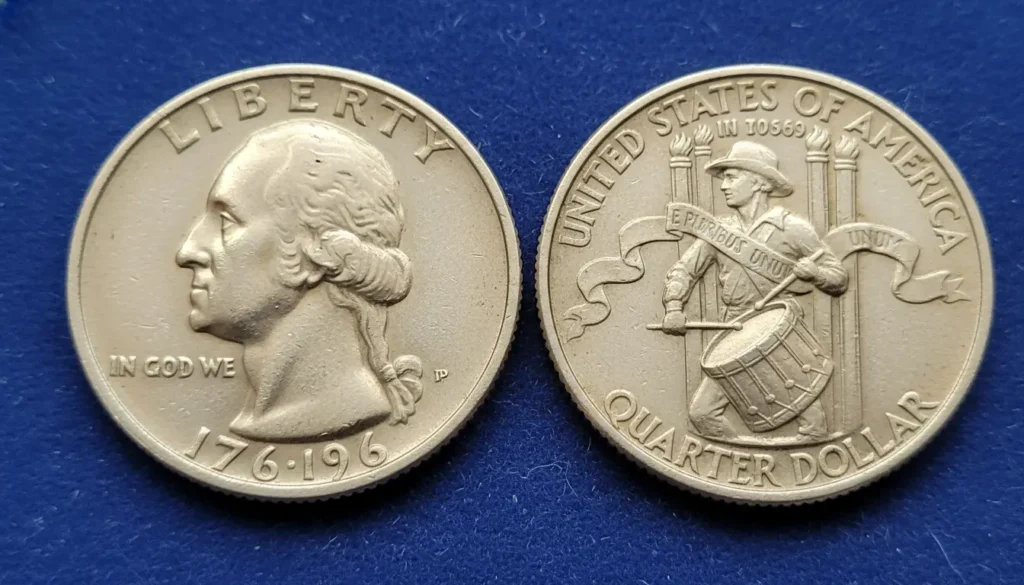
The Bicentennial Quarter was issued to mark the 200th anniversary of the United States in 1976. Its reverse shows a colonial drummer and a torch, a design different from the usual eagle reverse.
Most Bicentennial quarters were mass-produced for circulation and remain common today. However, collector versions and certain errors can increase value significantly.
Could a Bicentennial Quarter Be Worth $1 Million?
Short answer: extremely unlikely, but not strictly impossible. For a Bicentennial Quarter to reach seven figures it would need to be an unparalleled, authenticated rarity with perfect provenance and enormous collector demand.
Million-dollar sales in numismatics occur for coins that are one-of-a-kind or have extraordinary historical importance. A typical Bicentennial Quarter lacks those features.
Factors That Create Extreme Value in a Bicentennial Quarter
Several variables determine whether a quarter could be worth far more than face value. Any single factor rarely drives a seven-figure price alone; combinations matter more.
- Rarity: A unique error or single surviving specimen of an experimental strike.
- Error type: Broadstrikes, major off-center strikes, wrong-planchet (composition errors), and dramatic doubling can draw collectors.
- Condition and grade: High grades like MS67+ or PR69+ dramatically raise value.
- Authentication and provenance: Certification by PCGS/NGC and documented ownership history boost auction prices.
- Market demand: Collector interest for a specific variety or error must be strong at auction time.
Common Valuable Varieties to Watch
Not all Bicentennial Quarters are equal. These are the types most likely to be worth more than typical circulation coins.
- 40% silver-clad quarters from special 1976 sets (often with an S mint mark).
- Proof coins with exceptional strike quality and high PR grades.
- Clear, dramatic mint errors—especially if unique or extremely rare.
How to Check Your Bicentennial Quarter
Start with a careful visual inspection in good light and use a magnifier. Look for unusual features or signs of an error strike.
Follow these steps to evaluate your coin:
- Confirm date and design: The reverse should show the drummer and torch and the obverse reads Washington.
- Check for mint marks: Find S, D, or no mint mark near the truncation of Washington’s bust.
- Look for errors: Off-center strikes, broadstrikes, clipped planchets, and strong doubling are noteworthy.
- Test composition if you suspect silver: Silver quarters from 1976 were specially produced for sets and feel different to experienced collectors.
Tools You Might Need
A loupe, digital scale, and a magnet (silver and copper-nickel are non-magnetic) are useful. Avoid cleaning or altering a suspect coin—this harms value.
How Grading and Authentication Work
Certification by a major grading service (PCGS or NGC) is often required to reach high auction prices. Graders assess strike, surface preservation, luster, and any post-mint damage.
Submit your coin if you believe it has a major error or an ultra-high grade. Grading gives buyers confidence and unlocks auction interest.
Case Study: A Collector’s Find (Practical Example)
A collector discovered a Bicentennial Quarter with an unusual off-center strike in a roll of change. It showed more than 20% off-center with complete detail on the exposed area.
The collector did not clean the coin and had it certified by a grading service. After authentication and a proper auction listing with photos, it sold for several thousand dollars—far above face value but far from seven figures.
This illustrates how a clear, well-documented error can move a common commemorative coin into the collector market, while also showing the typical scale of realized prices.
When to Seek Professional Help
If your Bicentennial Quarter appears to have a dramatic error, very high grade, or rare composition, contact a reputable coin dealer or get it slabbed by PCGS/NGC. Professional advice avoids costly mistakes.
For sales, choose established auction houses with numismatic experience. Properly documented provenance and professional photography improve bidding results.
Practical Tips Before You Sell
- Do not clean or polish the coin—handling and cleaning reduce value.
- Document where and how you found the coin, if possible.
- Get multiple opinions from dealers or submit directly to graders if you suspect a major error.
- Set realistic expectations: even notable Bicentennial varieties usually sell for hundreds to low thousands, not millions.
In short, while a Bicentennial Quarter being worth $1 million is a remote possibility, it would require a convergence of exceptional rarity, grade, and market interest. Most finds will be interesting and sometimes profitable, but not life-changing wealth.