What is the Bicentennial Quarter?
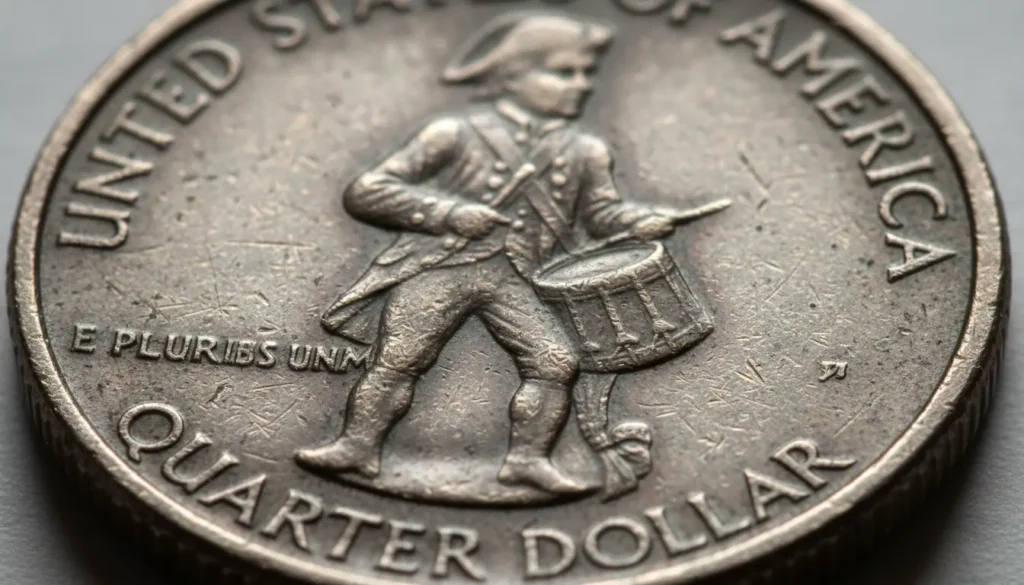
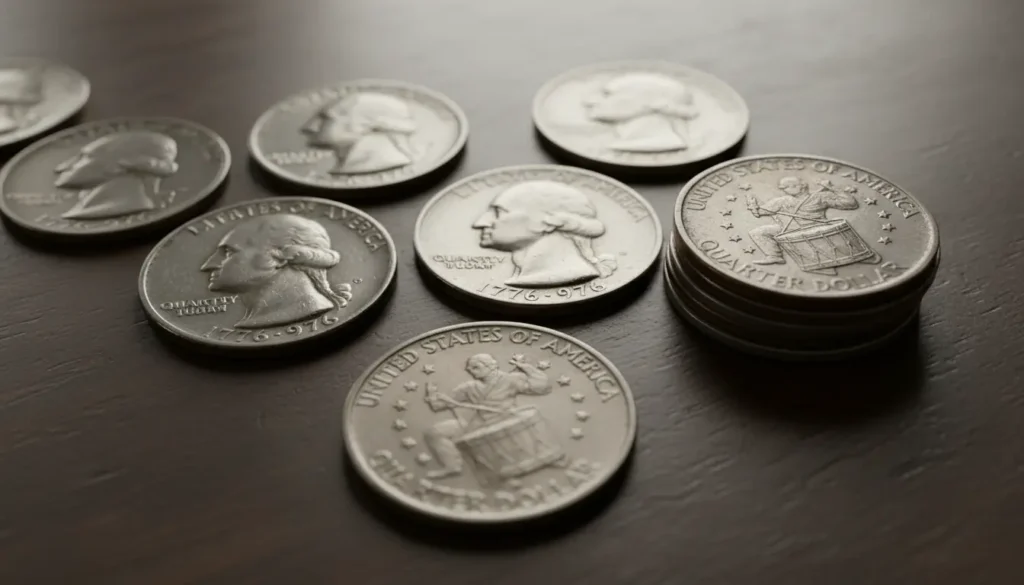
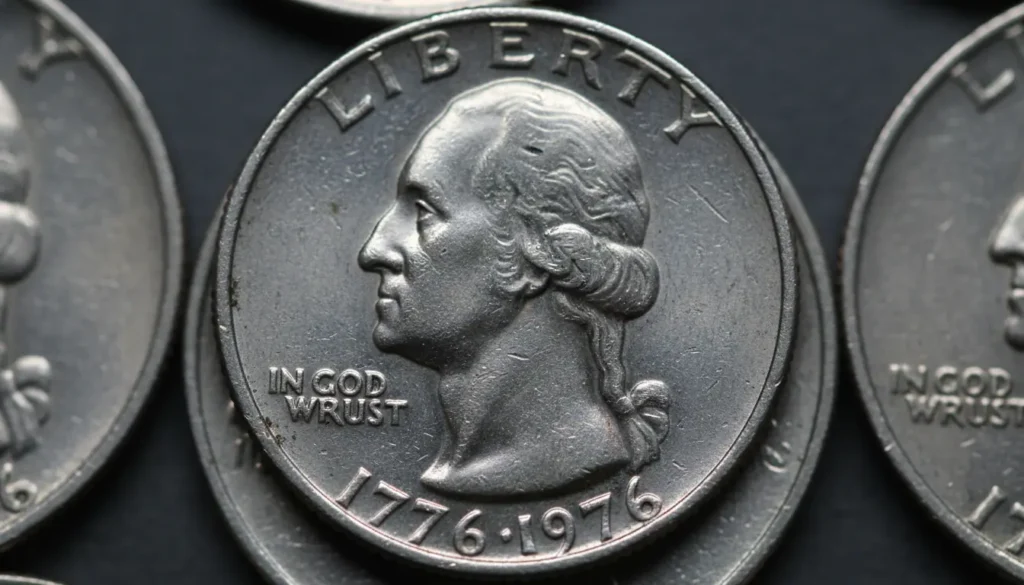
The Bicentennial Quarter was issued in 1975–1976 to mark the 200th anniversary of the United States. It has the dual date “1776–1976” on the obverse and a special reverse design showing a colonial drummer and a victory torch encircled by 13 stars.
Most Bicentennial Quarters were struck for circulation in copper-nickel clad. The U.S. Mint also produced special 40% silver proofs and uncirculated pieces for collectors. That wide production means most examples are common, but a few rare varieties and errors attract serious interest.
Could a Bicentennial Quarter Be Worth $1 Million?
Short answer: extremely unlikely. For a Bicentennial Quarter to approach seven figures it would need to be an absolutely unique or historically significant coin, such as a one-of-a-kind die error or a coin with documented celebrity provenance.
Most values for Bicentennial Quarters, even in high grades, are modest compared with classic rare U.S. issues. Still, the possibility of higher value exists when a coin shows rare characteristics that collectors prize.
Key value drivers for Bicentennial Quarters
- Type and composition: 40% silver proofs and uncirculated pieces usually command higher prices than circulation strikes.
- Mint errors and unique die varieties: major misstrikes, clear double dies, and off-center strikes can raise value substantially.
- Condition and grading: coins professionally graded by PCGS or NGC in top grades are more valuable.
- Provenance and rarity: documented, unique histories can push collectors to pay premiums.
Understanding Common vs. Rare Bicentennial Quarter Varieties
Most Bicentennial Quarters are common. Knowing the main varieties helps you spot something unusual quickly.
Clad circulation strikes
These are the coins you most often see in circulation. They are the least valuable unless they show a dramatic error or are in mint state with perfect surfaces.
40% silver proof and uncirculated sets
The Mint struck limited numbers of 40% silver quarters for collectors. These are identifiable by their finish and San Francisco mint mark (S) on many pieces. They generally have higher value than clad coins in similar condition.
Notable error types to watch for
- Off-center strikes exposing large blank fields
- Die breaks or cuds that create raised blobs or unusual shapes
- Broadstrikes or clipped planchets
- Significant doubling on date or design elements (doubled die)
How to Check Your Bicentennial Quarter
Follow these practical steps to determine if a coin could be valuable. Keep notes and photos as you go.
Step-by-step inspection
- Look for the dual date 1776–1976 on the obverse to confirm it is a Bicentennial issue.
- Check for a mint mark (D, S, or none). Silver collector issues often have the S mint mark.
- Examine the rim and field for die breaks, doubling, or off-center strikes using a magnifier.
- Compare the coin to reference images from PCGS, NGC, or a trusted coin guide.
- Weigh and measure the coin if you have precise tools; differences in weight or thickness can show altered or counterfeit pieces.
When to get professional grading
If you find a large error or a coin in exceptional condition, consider sending it to a professional grading service like PCGS or NGC. Grading both authenticates and gives collectors confidence in condition and rarity.
Professional grading is also helpful before selling at auction or to a major dealer.
The Bicentennial Quarter was the first circulating U.S. quarter to use a special commemorative reverse design produced by a Mint competition. Many Bicentennial-themed coins were struck only for 1976.
Where and How to Sell a Valuable Bicentennial Quarter
Options include local coin dealers, online auction platforms, and specialist auction houses. Each channel has pros and cons.
Selling tips
- Get a professional grade for higher-value pieces to improve buyer confidence.
- Document your coin with clear photos and full condition notes.
- Seek multiple price opinions before accepting an offer.
- Use reputable auction houses for very rare or high-value coins to reach serious collectors.
Small Case Study: A Found Error That Mattered
A weekend metal-detecting hobbyist found a worn Bicentennial Quarter while cleaning out an old coin jar. At first glance it looked ordinary, but a magnifier revealed clear doubling on the date and die cracks on the reverse.
He took the coin to a local dealer who recommended grading. After PCGS authentication and a high grade for the error, the coin sold through a specialist auction to a private collector. The sale price was far above typical circulation values, showing how even common-date coins can surprise collectors.
Practical Checklist Before You Assume Million-Dollar Value
- Confirm the coin is an authentic 1776–1976 Bicentennial Quarter.
- Check for clear, significant errors or unique die varieties.
- Get opinions from reputable dealers and reference guides.
- Consider professional grading for authentication and marketing.
- Realize that seven-figure sales are reserved for exceptional one-off pieces with strong collector demand.
In short, keep an eye on your pocket change but temper expectations. Most Bicentennial Quarters are common, yet careful inspection can reveal surprises worth hundreds or thousands of dollars. Million-dollar outcomes remain highly exceptional and require rare, verifiable circumstances.