The 1976 Bicentennial quarter is a familiar coin, but a few examples attract serious collector interest. This guide explains what makes some Bicentennial quarters rare, how experts assess value, and whether a coin from your pocket could realistically reach seven figures.
Bicentennial Quarter Basics
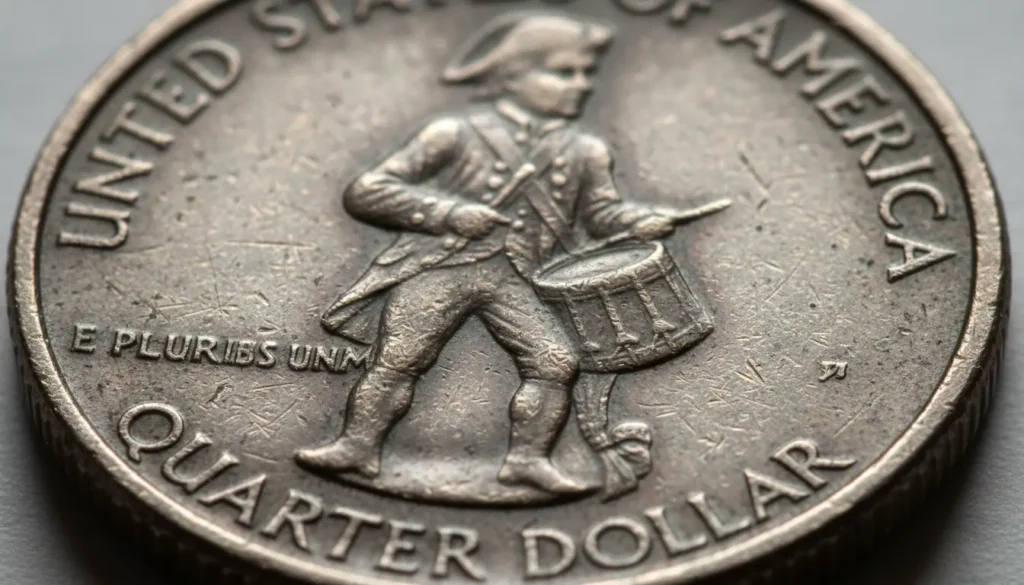
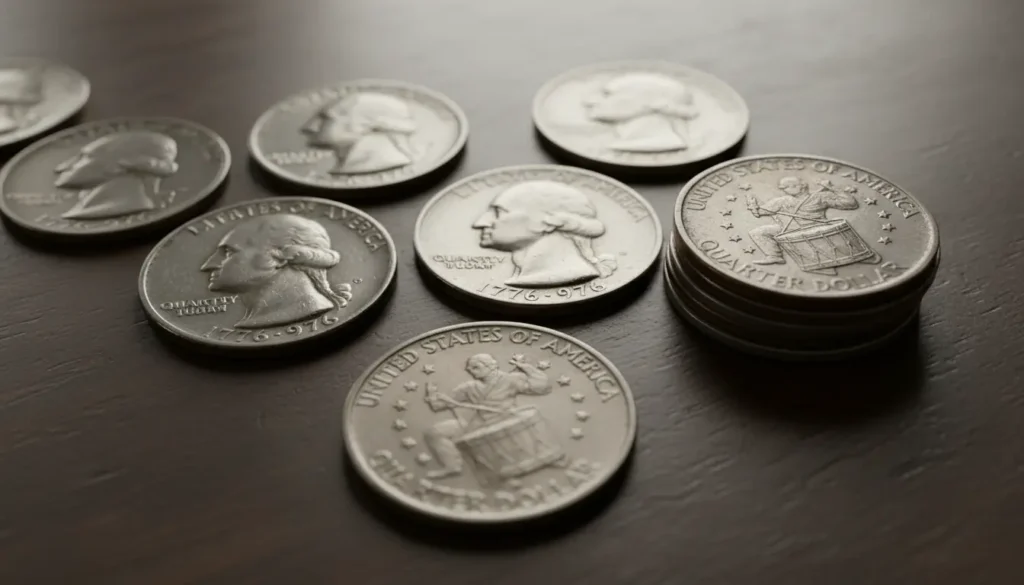
The Bicentennial quarter was issued for the United States’ 200th anniversary. It has a special reverse showing a colonial drummer and the dual date 1776–1976. Millions were minted for circulation, proof sets, and silver-clad special issues.
Because so many were produced, most Bicentennial quarters are common and have modest value. However, a handful of factors can make one rare and desirable to collectors.
Key identifiers on a Bicentennial Quarter
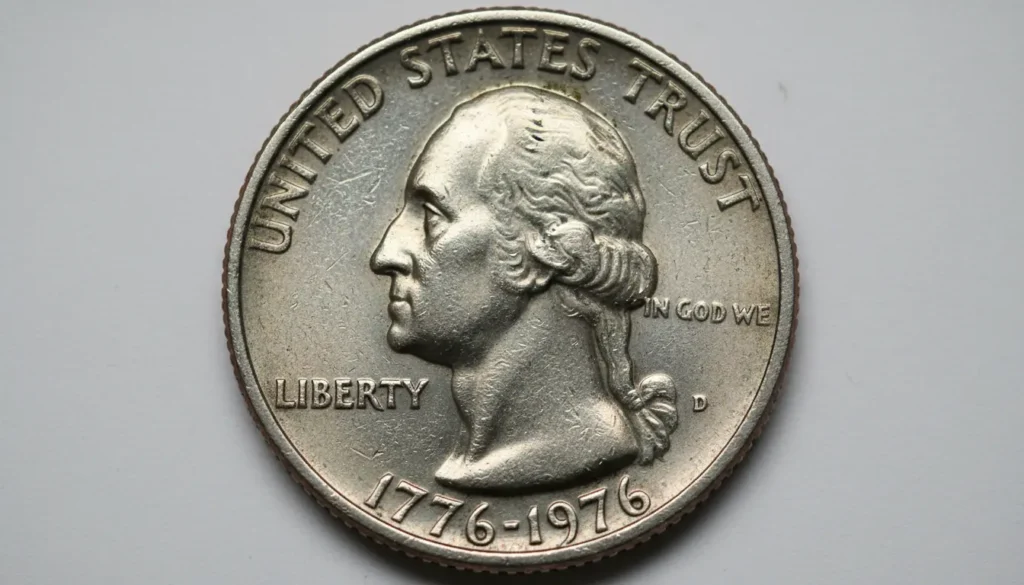
- Dual date: 1776–1976 on the reverse.
- Mint mark: D (Denver), S (San Francisco), or none (Philadelphia).
- Composition: standard copper-nickel clad or 40% silver for special sets.
How a Bicentennial Quarter Becomes Valuable
Value comes from rarity, condition, and collectability. For a Bicentennial quarter to command a significant premium, at least one of these must be extreme.
Common value drivers
- Condition: Coins graded MS67 or higher by major services (PCGS, NGC) can fetch strong premiums.
- Mint errors: Off-center strikes, major die breaks, planchet defects, or doubled dies can be scarce.
- Silver issues: The 40% silver Bicentennial quarters from special Mint sets are more valuable than clad circulation pieces.
- Provenance and rarity: A unique die variety or a well-documented coin can attract high collector bids.
Could a Bicentennial Quarter Be Worth $1 Million?
While any coin could theoretically reach a very high price if the right buyer appears, a $1 million value for a Bicentennial quarter is extremely unlikely. Most factors favor much lower values.
For a Bicentennial quarter to approach seven figures, it would need a combination of:
- Unique or historically significant error not seen anywhere else.
- Perfect or near-perfect grading (unparalleled condition).
- Strong documentation and provenance that catch the attention of top collectors or institutions.
Realistic price ranges
- Common circulated Bicentennial quarters: face value to a few dollars.
- High-grade mint state (MS65–MS67): tens to a few hundred dollars for clad examples; more for silver.
- Documented rare errors or top-graded silver proofs: potentially thousands to tens of thousands of dollars in specialist auctions.
The U.S. Mint produced special 40% silver Bicentennial coins for proof and uncirculated sets. These silver issues are more valuable than the common copper-nickel versions found in pocket change.
How to Check a Bicentennial Quarter You Found
Follow a simple, step-by-step approach to evaluate a coin you suspect is valuable. Start with a visual check, then decide whether professional grading is warranted.
Step-by-step checklist
- Examine the date and reverse design to confirm it is a Bicentennial quarter (1776–1976).
- Look for mint marks (D or S) near the obverse and note the coin’s overall appearance.
- Search for obvious errors: double images, off-center strikes, planchet cracks, or missing elements.
- Weigh the coin: a 40% silver Bicentennial quarter will weigh slightly more than a clad quarter. Use a precise scale if possible.
- Compare to trusted references or auction listings to find any known die varieties or documented errors.
When to Get Professional Grading
Professional grading makes sense when a coin appears to be in exceptional condition or shows a possible major error. Grading provides market confidence and helps establish provenance.
A typical route is to submit the coin to a reputable grading service like PCGS or NGC after consulting with a trusted dealer or specialist forum.
Costs and benefits
- Benefits: Authentication, a numeric grade, and increased buyer confidence at auction.
- Costs: Grading fees, and possible shipping and insurance expenses.
- Recommendation: Get a professional opinion before paying to grade—especially for coins that look ordinary.
Case Study: A Notable Error Quarter
A regional auction once listed a Bicentennial quarter with a pronounced die break across the drummer figure. The coin was authenticated, slabbed by a grading service, and sold to a specialist collector. The sale price was significantly above circulation value because the die break produced a unique appearance and the coin was well-preserved.
This case shows how uniqueness and condition combine to create a marketable rarity. It also highlights the importance of documentation and specialist audiences for uncommon Bicentennial pieces.
Practical Advice for Collectors
If you find a Bicentennial quarter, remain measured in expectations. Most coins have modest value but checking is simple and often rewarding.
Actionable tips
- Keep coins in a cool, dry place and avoid cleaning, which can reduce value.
- Use online resources and collector forums to compare notes before spending on grading.
- Consult a reputable dealer or numismatic society when you suspect a major error or unique variety.
In short, while it is extremely unlikely a random Bicentennial quarter will be worth $1 million, rare errors, superior condition, and documented provenance can make certain examples significantly more valuable than face value. Look carefully, research thoroughly, and consult professionals when you find something that looks unusual.