What Is the Bicentennial Quarter?
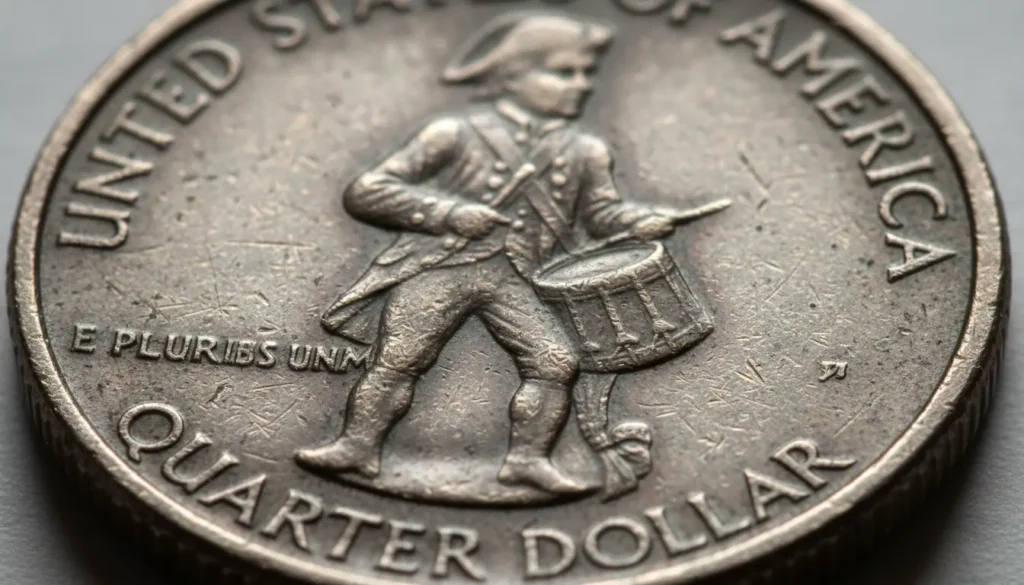
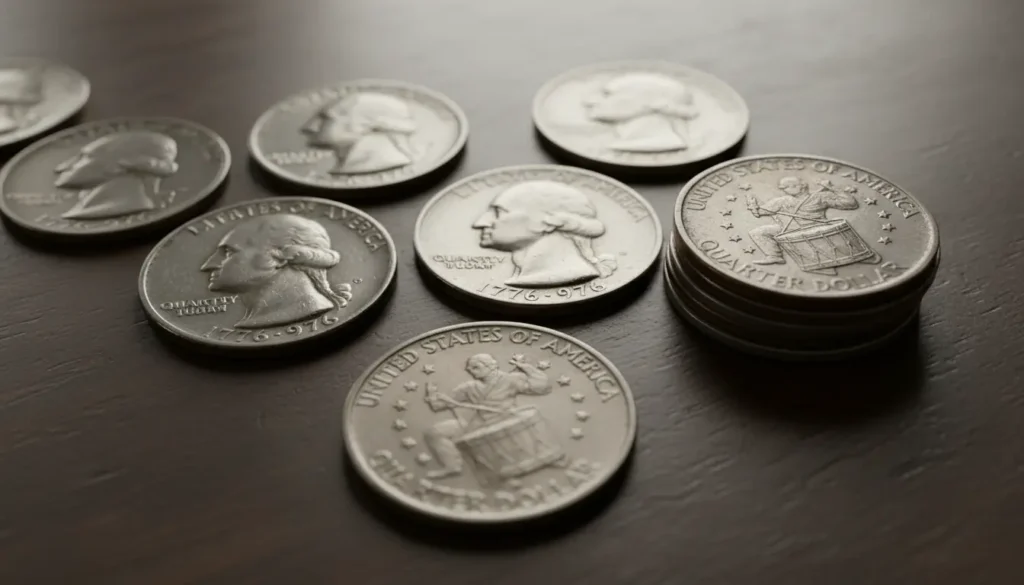
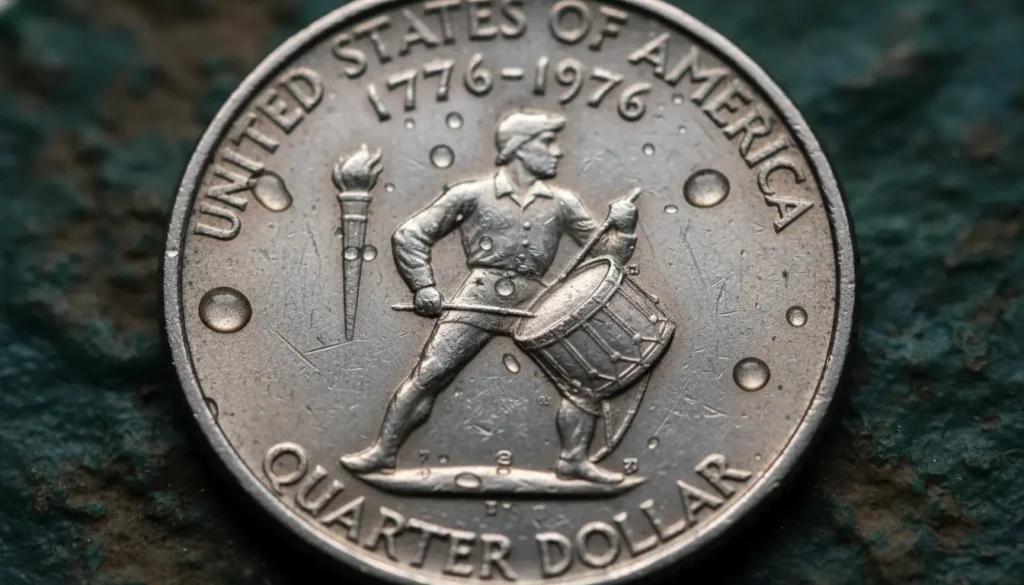
The Bicentennial Quarter refers to the United States quarter struck for the 200th anniversary of the Declaration of Independence. These coins bear the dual date 1776–1976 and a special reverse showing a colonial drummer. Millions were minted and most are common circulation pieces.
Why People Ask If a Bicentennial Quarter Could Be Worth $1 Million
Online headlines often suggest pocket change might be extremely valuable. While sensational, the reality is that only a tiny fraction of any coin type reaches truly high values. For a Bicentennial Quarter to be worth six figures, and especially $1 million, it would need exceptional rarity, an important error, or top-tier grading with secure provenance.
The Bicentennial Quarter reverse, featuring a colonial drummer, was designed by Jack L. Ahr.
Key Factors That Raise Value for a Bicentennial Quarter
Collectors and dealers look for a few main traits that increase a coin’s market value. A typical circulated Bicentennial Quarter without special attributes is common and worth face value or modest premium.
- Rarity: Low mintage or an extremely limited die variety.
- Major mint error: Struck on the wrong planchet, double die, broadstrike, or significant misprint.
- Composition: 1976 quarters in special 40% silver collector sets exist; silver content can raise value above base metal pieces.
- Condition and grade: Coins graded MS67+ or PR70 by PCGS/NGC command premiums.
- Provenance: A documented history tied to a notable collection or auction sale.
Bicentennial Quarter Varieties and Composition
Most circulation Bicentennial Quarters are copper-nickel clad. The U.S. Mint also produced silver-clad collector pieces in 1976 for special sets from San Francisco. These silver examples are more desirable but still common in modest grades.
How to Inspect a Bicentennial Quarter
Follow a small checklist to determine whether a coin has special value. Use a loupe or magnifying glass and work in good light.
- Look at the reverse for the drummer design and the dual date 1776–1976; confirm authenticity.
- Find the mint mark (D for Denver, S for San Francisco). No mint mark indicates Philadelphia for that era.
- Examine the edge: silver-clad quarters have a distinct appearance and weight compared with copper-nickel clad.
- Check for obvious errors: off-center strike, clipped planchet, wrong metal, doubling, or die cracks.
- Measure weight and diameter if you suspect wrong metal. A digital scale and caliper help.
Practical Steps to Authenticate and Value Your Coin
If you find a candidate that looks special, follow these steps to get a realistic value.
- Research: Search auction archives (Heritage, Stack’s Bowers) and price guides (PCGS, NGC, Red Book) for similar listings.
- Compare sold prices: Look at sold listings, not asking prices, on eBay and auction sites.
- Get a professional opinion: Local coin dealers can offer an initial assessment.
- Consider third-party grading: For high-value candidates, submit to PCGS or NGC for authentication and grading.
- Keep documentation: Photographs, weight/measurement records, and submission receipts support provenance.
Real-World Case Study
Case study (anonymized): A collector inherited a small lot that included a 1976-S proof quarter. The coin showed perfect surfaces and was identified as a silver-clad proof. After grading PR69 by a reputable service, the piece sold at auction to a specialist collector. The sale fetched a four-figure price, mostly because of grade and collector demand, not because Bicentennial quarters are intrinsically rare.
This example shows key lessons: perfect grade and collectible composition raise value, but results vary widely.
Common Myths About Million-Dollar Quarters
There are persistent myths about ordinary Bicentennial Quarters becoming instant million-dollar coins. Watch for these red flags:
- Vague claims with no auction records or grading certificates.
- Mass-market ads promising easy wealth from common coins.
- Unverified photos or misidentified mint marks and dates.
When to Consult a Professional
If you suspect you have a major error, composition anomaly, or a coin that grades extremely high, consult reputable professionals. Certified grading services, major auction houses, and experienced numismatic dealers can authenticate and market a high-value item.
For lower-value finds, a local coin shop or club meeting is sufficient to determine whether further steps are warranted.
Checklist: Do You Have a Potentially Valuable Bicentennial Quarter?
Run through this quick checklist before getting excited or spending on grading:
- Is the coin uncirculated with original luster?
- Does it match silver-clad specifications or show wrong metal?
- Does it display a significant mint error (off-center, wrong planchet, broadstrike)?
- Are there comparable auction records for the same variety and grade?
- Will professional grading likely increase marketability enough to cover the cost?
Bottom Line
Most Bicentennial Quarters are not worth thousands, let alone $1 million. However, exceptional cases exist where composition, mint error, extreme condition, and provenance produce substantial value. Use careful inspection, documentation, and reputable grading or auction services to realize any real worth.
If you find something you think might be special, document it, get a professional opinion, and research auction records before spending on grading. That approach gives you a realistic path to uncovering true value without falling for hype.