What is a Bicentennial quarter?
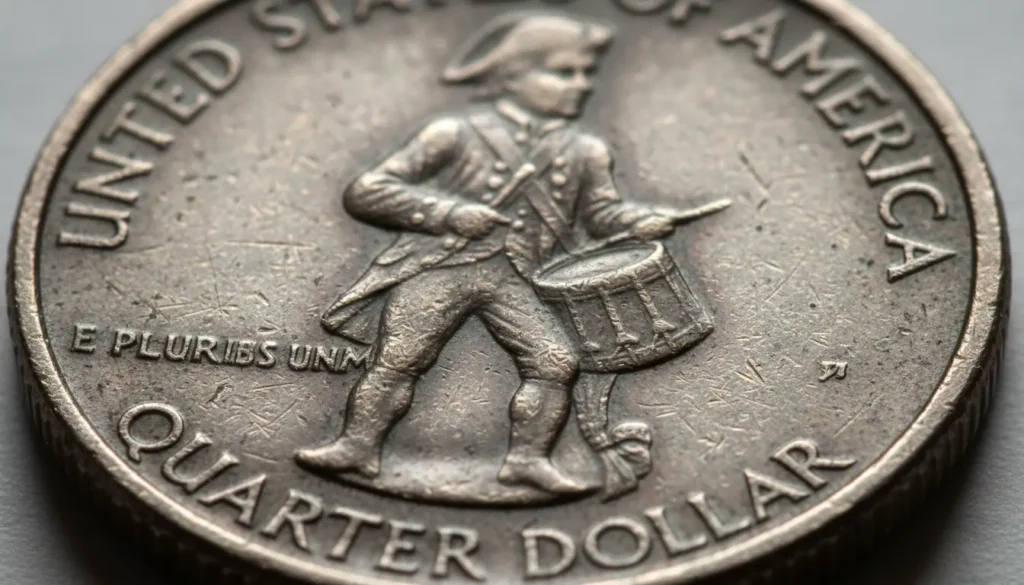
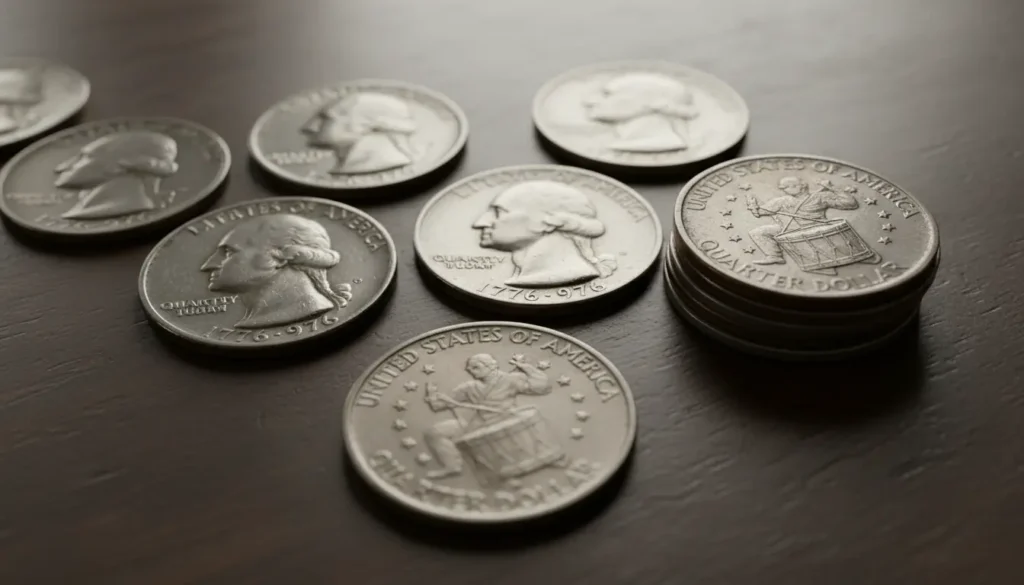
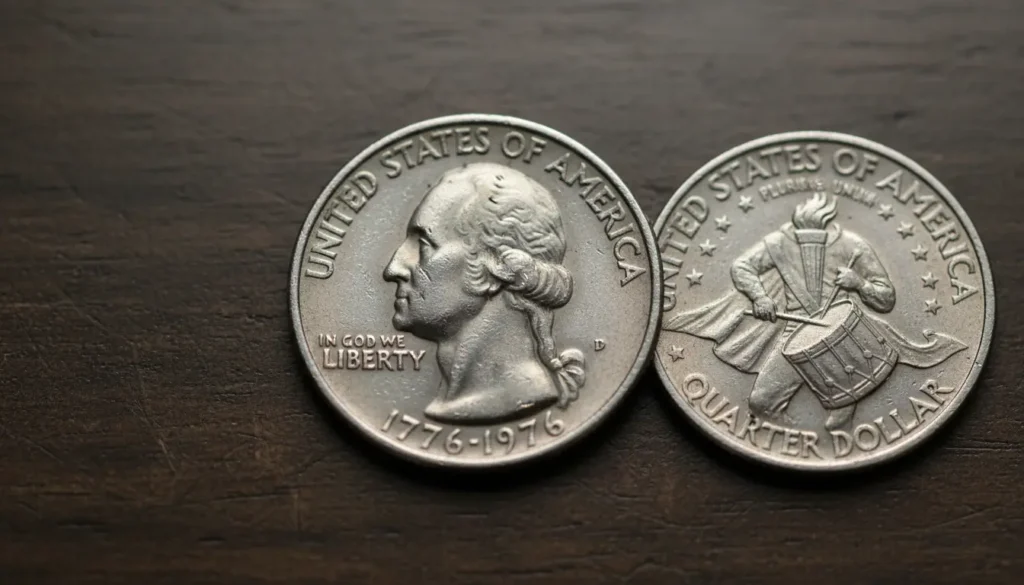
The Bicentennial quarter was issued in 1975–1976 to mark the 200th anniversary of American independence. It shows a colonial drummer on the reverse and the dual date 1776–1976. Millions of these quarters were produced for circulation and collector sets.
How to identify a rare Bicentennial quarter
Most Bicentennial quarters are common and worth face value. Rare examples come from specific errors, unusual minting processes, or exceptional grades from professional services. Knowing what to look for helps you separate ordinary pocket change from potentially valuable pieces.
Key features of the Bicentennial quarter to inspect
- Date and dual date: 1776–1976 on the obverse or reverse designs.
- Mint mark: Look for D (Denver) or S (San Francisco) on the reverse area; Philadelphia pieces typically have no mint mark on circulation strikes.
- Composition: Most circulation pieces are copper-nickel clad. Silver proof and silver-clad versions exist in official sets.
- Errors and varieties: Off-center strikes, doubled dies, clipped planchets, and wrong-planchet strikes can increase value.
Could your pocket change be worth one million?
Short answer: extremely unlikely. To reach a seven-figure price, a Bicentennial quarter would need an extremely rare combination of factors: a unique error or provenance, universal collector interest, and an extraordinary grade. No widely verified sale of a standard Bicentennial quarter for one million dollars is documented as of this publication.
What would it take for a Bicentennial quarter to reach one million?
Several elements must line up for any coin to approach a seven-figure price. For a Bicentennial quarter this would include:
- Unprecedented rarity: a one-of-a-kind minting error or specimen.
- Perfect or near-perfect grade from top grading services (PCGS, NGC).
- Strong provenance: linked to a famous hoard, a historic error, or prior high-profile sales.
- High collector demand at auction and publicity that spurs bidding wars.
Realistic value drivers for Bicentennial quarters
Most valuable Bicentennial quarters fall into a few practical categories. Understanding them helps set realistic expectations about value.
- Silver proofs and silver-clad issues: Official proof sets and three-coin silver sets were produced in limited numbers and typically command higher prices than circulation strikes.
- Error coins: Clear mint errors such as severe off-center strikes or dramatic doubling can attract collectors and fetch premiums.
- High-grade circulation strikes: An uncirculated MS67 or higher can be rare for a common date and worth a premium.
Practical steps to check your Bicentennial quarter
Follow a simple inspection routine before assuming a coin is valuable. These steps protect you from misjudging a common coin as rare.
- Examine the coin under good light and a 10x loupe. Look for mint marks, errors, and unusual surfaces.
- Weigh and measure if you suspect a silver or wrong-planchet piece. Silver-clad proofs have slightly different weight and sound.
- Compare to reference images from reliable sources like major grading services or established numismatic guides.
- Check auction records and price guides for similar listings; note whether the prices are for graded examples.
- If you suspect high value, get the coin graded by PCGS or NGC. Professional grading substantially affects buyer confidence and sale prices.
How to handle a potentially valuable coin
Handle the coin by its edges and avoid cleaning. Cleaning reduces collector value and can permanently damage a coin. Place the coin in a soft holder and seek expert advice before listing it for sale.
The Bicentennial quarter design was used only for 1975–1976. The striking lasted across three mints and included special proof and silver-clad runs that collectors value more than common circulation pieces.
Small case study: a collector’s discovery
A casual collector found a Bicentennial quarter inside an old change jar and noticed it had a deep cameo contrast and unusually sharp detail. They compared it to reference photos and suspected it might be from a silver proof set.
After submitting the coin to a major grading service, the piece returned as a high-grade proof from the San Francisco mint. The collector then sold it at auction where it attracted several serious bidders. The sale produced a strong return compared with face value, although it remained far below six figures.
When to consult professionals
If you find a coin with dramatic errors, unusual composition, or an exceptional grade, seek multiple expert opinions. Professional graders, experienced dealers, and reputable auction houses can verify authenticity and provide market advice.
Summary and realistic expectations
Bicentennial quarters can be collectible and occasionally valuable, especially if they are silver proofs, high-grade strikes, or feature dramatic mint errors. However, the idea that a random Bicentennial quarter from your pocket will be worth one million dollars is not realistic without an unprecedented discovery.
Follow a methodical inspection routine, avoid cleaning, and use grading services when warranted. With care and patience you can identify coins with legitimate collector value and avoid costly mistakes.
Action checklist
- Inspect date and mint mark with a loupe.
- Look for obvious mint errors.
- Avoid cleaning; handle by edges only.
- Consult price guides and auction records.
- Submit to a reputable grading service if value is suspected.