What Is the Bicentennial Quarter?
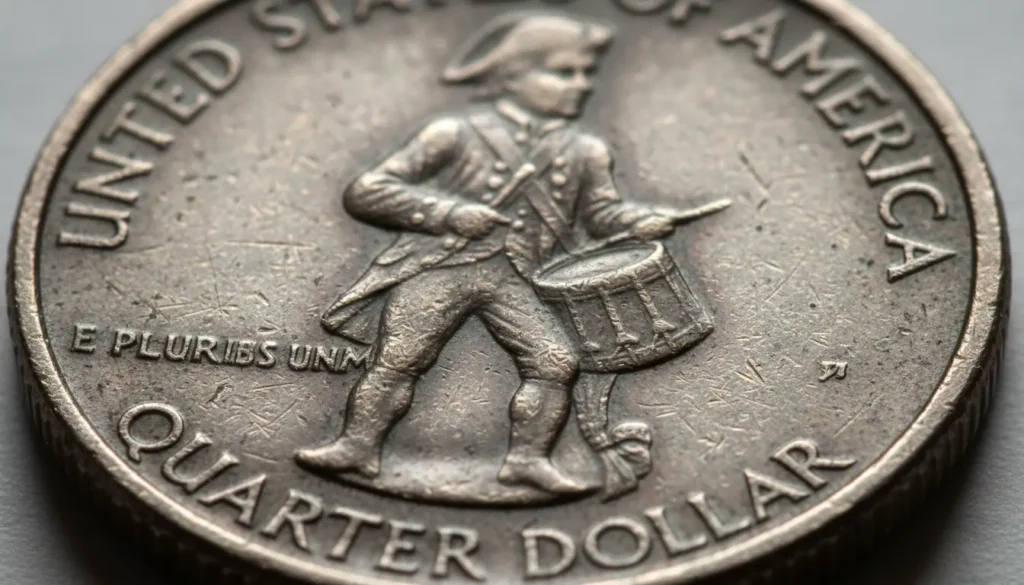
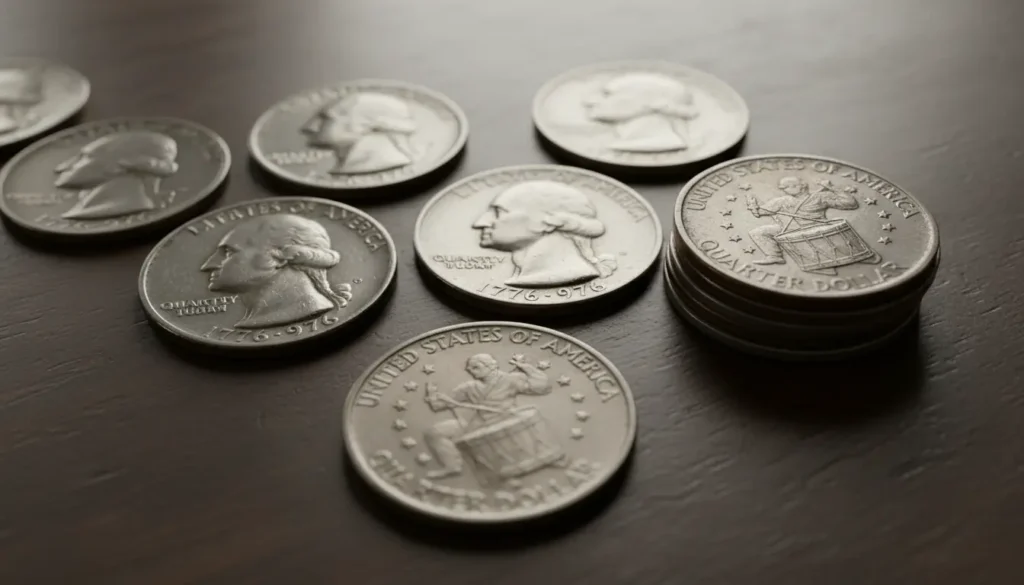
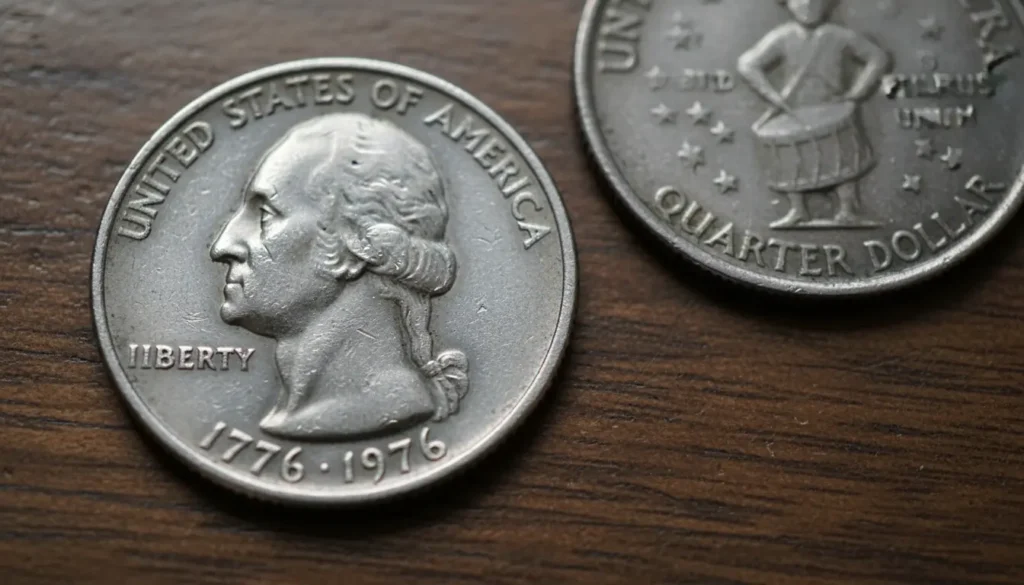
The Bicentennial Quarter was issued to commemorate the United States Bicentennial in 1976. It features the dual date 1776–1976 and a special reverse design with a colonial drummer.
Millions were produced for circulation and proof sets, so most Bicentennial Quarters are common. However, rare varieties and mint errors can attract collectors and higher prices.
Could a Bicentennial Quarter Be Worth One Million?
Short answer: extremely unlikely, but not impossible in theory. For a single quarter to reach a seven-figure price, it would need an extraordinary combination of rarity, demand, and condition.
Common factors that could push value dramatically include unique mint errors, one-off proof strikes, or discovery of an unrecorded pattern. Even then, reaching $1 million would require intense collector interest and verified provenance.
Key value drivers for a Bicentennial Quarter
- Condition and grade (MS or PR grades near 70)
- Mint mark and rarity (Philadelphia, Denver, or San Francisco proofs)
- Known die errors or unique varieties
- Documented provenance or celebrity ownership
- Auction visibility and bidding competition
Common Rare Types and Why They Matter
Not all rare coins are the same. For Bicentennial Quarters, collectors look for specific categories that can raise value beyond face value.
These categories include mint errors, proofs with unusual finishes, and patterns or trial strikes made in different metal compositions.
Mint errors to watch for
- Die breaks and major die cracks
- Off-center strikes beyond typical circulation damage
- Double dies producing clear doubling on lettering or dates
- Wrong planchet errors where a quarter is struck on a different denomination blank
How to Check Your Pocket Change
Inspecting your coins carefully is the first step to finding anything valuable. You can do basic checks at home, then seek professional help if you spot something unusual.
Follow these practical steps to evaluate a Bicentennial Quarter:
- Examine the date and reverse design for any irregularities.
- Check for mint marks: D (Denver) or S (San Francisco). Proofs often came from San Francisco.
- Use a magnifier (10x loupe) to look for doubling, die cracks, or unusual metal surfaces.
- Compare to reliable auction photos or coin guides online.
When to Get a Coin Graded
High-value coins are usually professionally graded and slabbed by services like PCGS or NGC. Grading certifies authenticity and condition, which helps buyers trust the coin.
Consider grading if you believe the coin has a major error or is in near-perfect condition. Be mindful of grading fees and the risk that grading could reveal a lower grade than expected.
The Bicentennial Quarter reverse was designed by Jack L. Ahr and is one of the few modern commemorative designs used on regular circulation coins.
Case Study: How a Rare Find Could Play Out
Imagine you find a Bicentennial Quarter that appears to be struck off-center by 30% with clear die doubling on the legend. You photograph it, compare it with online references, and consult a local coin dealer.
The dealer recommends submitting it to a grading service. If the grade comes back as an extremely high grade with authentic, unusual error documentation, the coin may attract specialty collectors and error coin bidders.
- Step 1: Document the coin with photos and notes.
- Step 2: Get preliminary opinions from reputable dealers or forums.
- Step 3: Submit to a recognized grading service for authentication.
- Step 4: If authenticated, consider auction sale for maximum exposure.
Outcome: While a dramatic auction could push the price well above typical values, even major error quarters usually sell for thousands to low six-figures rather than a million. The rarest single-coin sales typically involve unique historical items or famous provenance.
Selling Options and Practical Tips
If you discover a potentially valuable Bicentennial Quarter, you have several selling paths. Each has pros and cons depending on the coin’s rarity and market demand.
- Auction houses: Best for high-value, authenticated coins with strong provenance.
- Specialty coin dealers: Good for quick offers and expert appraisal.
- Online marketplaces: Wider exposure but watch fees and buyer trust.
- Coin shows and forums: Useful for finding niche collectors and direct sales.
Be transparent about condition and documentation. Obtain multiple opinions before accepting a sale, and keep records of grading and provenance to maximize price.
Final Practical Checklist
- Inspect any Bicentennial Quarter with a loupe or magnifier.
- Look for mint marks, doubling, off-center strikes, or wrong planchets.
- Photograph and document any unusual coin thoroughly.
- Seek opinions from reputable dealers or grading services.
- Choose the selling route that best matches the coin’s verified rarity.
In summary, while a Bicentennial Quarter in your pocket could be rare and valuable, a $1 million valuation would require an extraordinary, verifiable combination of rarity, condition, and market interest. Most collectors should focus on careful identification and professional authentication to determine true market value.