Most 1976 Bicentennial Quarters are common and worth only face value or a small premium. Some errors and rare varieties, however, can be valuable to collectors. This article explains how to assess a Bicentennial Quarter, what to look for, and whether a million-dollar coin is realistic.
The Bicentennial Quarter: What It Is
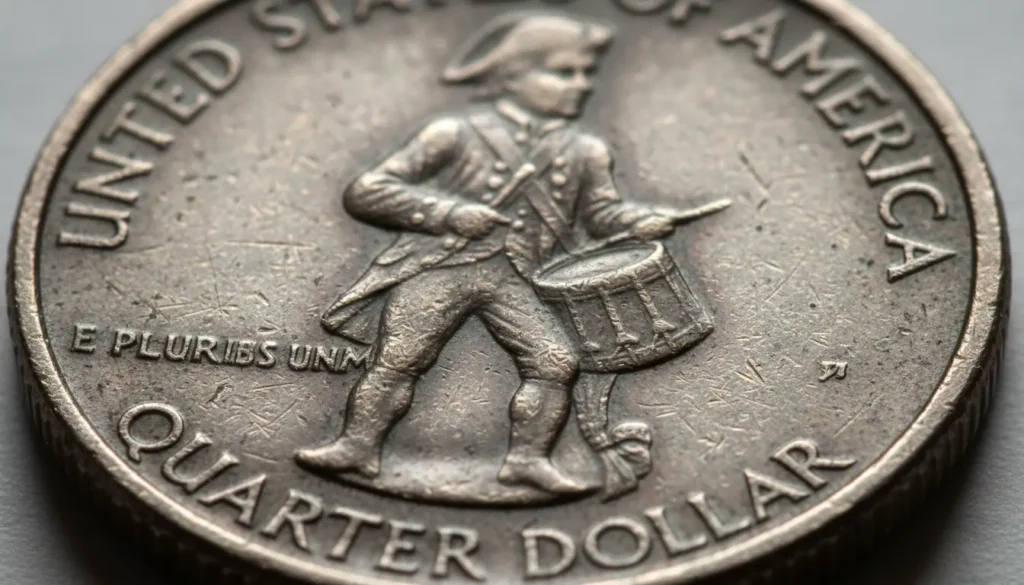
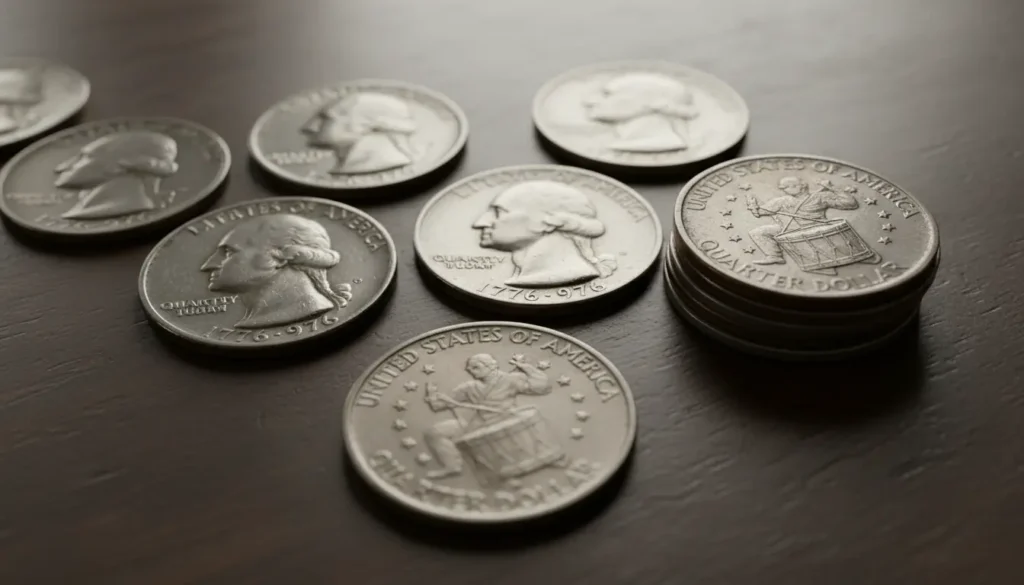
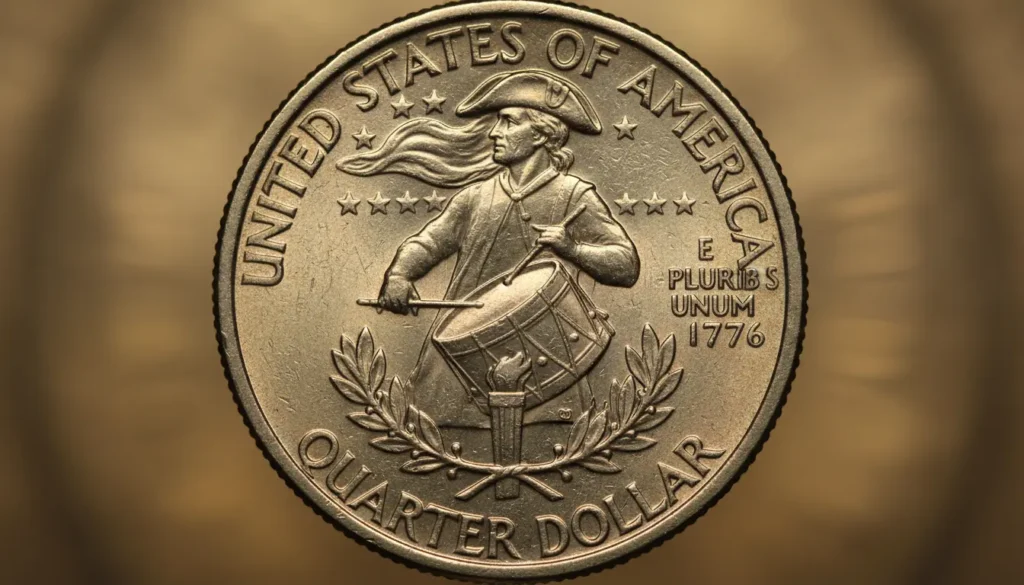
The Bicentennial Quarter was issued in 1975 and 1976 to celebrate the 200th anniversary of the United States. It features a special reverse design showing a colonial drummer and the dual dates 1776–1976. Millions were produced for circulation and collector sets.
Why Some Bicentennial Quarters Can Be Valuable
Value comes from condition, rarity, and collector demand. Regular circulated Bicentennial Quarters are common. But certain factors can push value higher, including mint errors, low-mintage proof strikes, and exceptionally high-grade specimens.
Key value drivers for a Bicentennial Quarter
- Mint errors (double die, off-center strikes, clipped planchets)
- Proof or silver-clad collector strikes
- High grade from a respected third-party grading service
- Documented provenance or auction records for a specific variety
How to Identify a Rare Bicentennial Quarter
Start with simple visual checks and then escalate to professional help if you suspect rarity. A structured approach reduces mistakes and helps estimate value more accurately.
Step-by-step identification
- Inspect the reverse for the dual date 1776–1976 and the drummer design. Verify it matches a standard Bicentennial reverse.
- Look closely at the obverse for doubling, die cracks, or unusual features. Use a loupe (10x magnification) for details.
- Check the edge and thickness: altered or clipped planchets show irregular edges or missing metal.
- Compare to reference images from trusted numismatic resources or coin guides.
- If you find a suspect error, photograph it clearly and consider submitting it to a grading service or an experienced dealer for confirmation.
Errors and Varieties to Watch on the Bicentennial Quarter
Not all errors are valuable. The size, clarity, and collectibility of an error determine interest and price. Common error categories include doubling, broadstrikes, off-centers, and repunched mint marks.
Common error types
- Double die: Visible doubling in lettering or imagery caused by die misalignment.
- Off-center strike: Design is shifted, showing an incomplete image.
- Clipped planchet: Part of the coin is missing due to a blanking mistake.
- Broadstrike: The coin is flattened and wider due to missing collar restraint.
Could a Bicentennial Quarter Be Worth $1 Million?
In short, it is extremely unlikely that a Bicentennial Quarter would reach $1 million. Most rare modern coins that approach seven figures are historically significant, extremely scarce, or tied to famous provenance. Bicentennial Quarters were produced in very large numbers, which reduces the chance of a million-dollar valuation.
That said, unusual error coins can command strong prices in specialist markets. Serious collectors pay premiums for dramatic, authenticated errors or coins that grade at the very top of the scale. But even top-condition Bicentennial Quarters typically sell for modest amounts compared with historic rarities.
Practical Steps If You Think You Have a Valuable Bicentennial Quarter
Follow a conservative, evidence-based process. Accurate identification and proper documentation are crucial before pursuing a sale.
Action checklist
- Keep the coin in a protective holder; avoid cleaning or polishing it.
- Take clear, well-lit photos from multiple angles showing any anomalies.
- Compare images with trusted references or coin forums to narrow possibilities.
- Consult a reputable coin dealer or submit the coin to a recognized grading service for authentication.
- If authenticated, consider auction houses or specialist dealers for sale; get multiple opinions on value.
Most Bicentennial Quarters were struck in copper-nickel clad for circulation, but special 1976 proof sets included 40% silver-clad versions. Silver-clad proofs and dramatic error coins are more likely to attract collector interest than circulated pieces.
Real-World Example: A Case Study
A hobbyist found a 1976 Bicentennial Quarter with pronounced doubling on the date and some die cracks. After photographing the coin and comparing it to reference guides, the owner sent images to a local dealer. The dealer recommended submission to a grading service for authentication.
Once graded and slabbed with clear documentation of the doubling and die damage, the quarter attracted interest among error-coin collectors. It sold at auction for several thousand dollars rather than six or seven figures. The sale illustrates how authentication and condition can turn a curiosity into a collectible—but not necessarily a million-dollar find.
Final Practical Tips for Collectors
Keep expectations realistic. Most Bicentennial Quarters will not be worth large sums, but careful observation and proper handling can reveal genuinely interesting pieces. Authentication and grading add credibility and can significantly affect resale options.
If you find a potential error, document it, protect it, and seek professional advice. That process gives you the best chance of understanding its real market value.
Following these steps helps you determine whether a Bicentennial Quarter is an everyday coin or an item worth further attention.