What is the Bicentennial Quarter and why collectors care
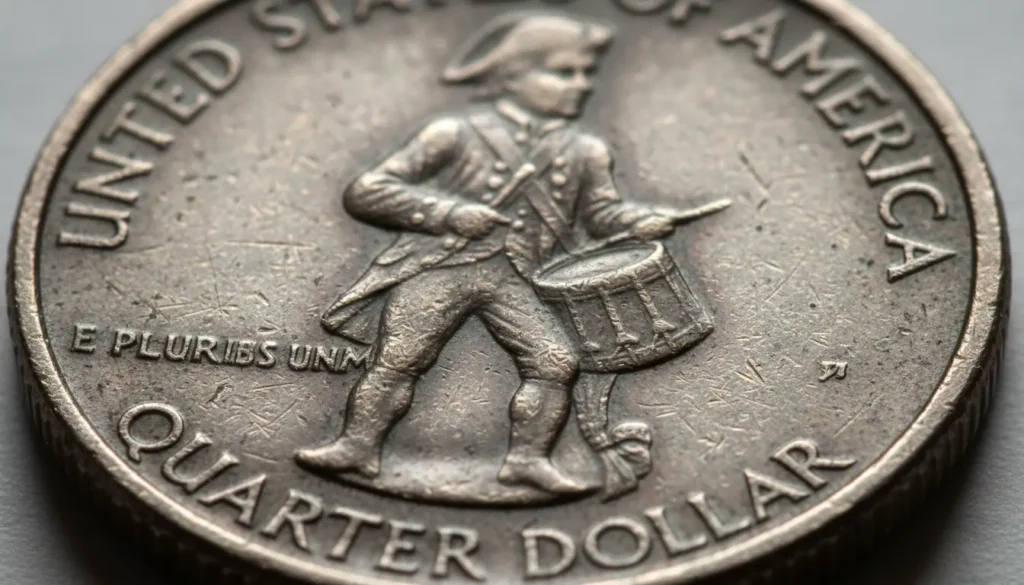
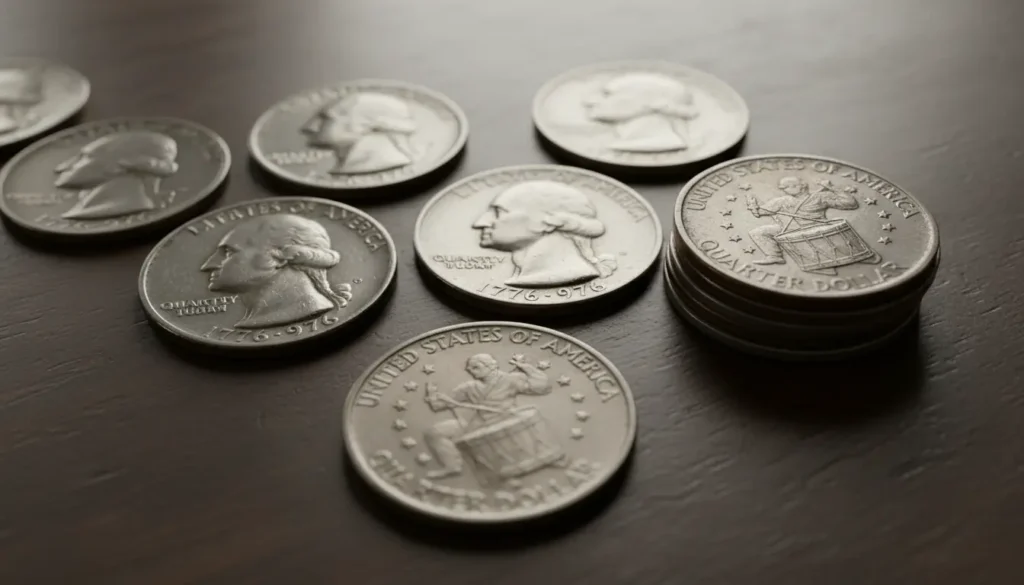
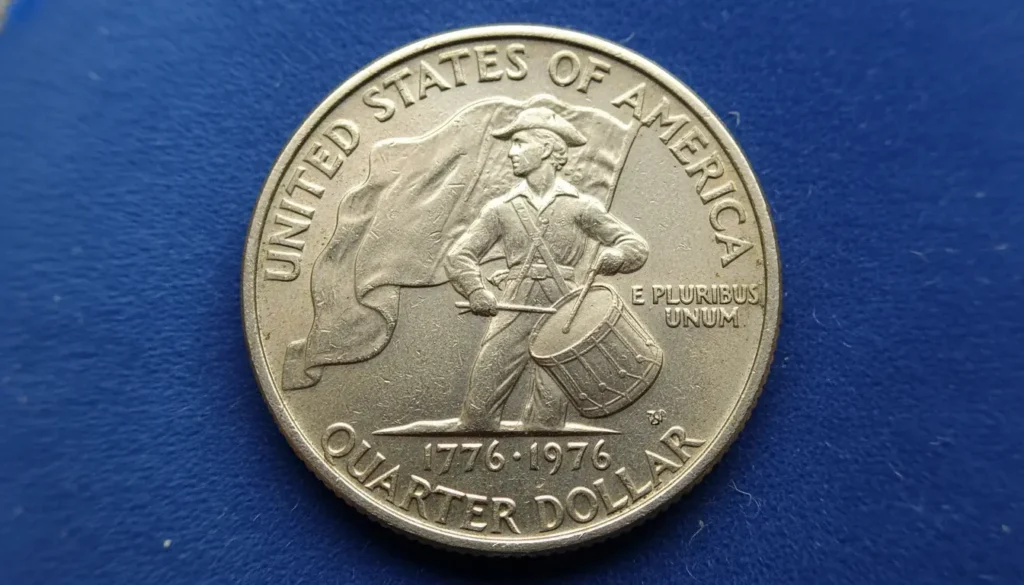
The Bicentennial Quarter was issued in 1975–1976 with the dual date 1776–1976 and a special reverse design. Millions were minted for circulation, plus special collector pieces from the San Francisco Mint.
Most Bicentennial Quarters are common in worn condition and worth face value. Collectors focus on mint marks, proof strikes, silver composition, and rare errors to find value above face.
Could a Bicentennial Quarter be worth $1 million?
In practical terms, the chance that a typical Bicentennial Quarter in your pocket is worth $1 million is extremely small. No widely recognized, authenticated sales of a standard Bicentennial Quarter have reached seven-figure sums.
That said, certain unique factors can raise a coin’s value dramatically. Extremely rare errors, unique die varieties, or historically significant one-of-a-kind pieces sometimes draw extraordinary bids from specialized collectors and museums.
What would make a Bicentennial Quarter extremely valuable?
Several attributes could push value far above typical levels. These are the most important:
- Unique errors (for example, an entirely misstruck planchet or an extremely rare pattern).
- One-of-a-kind die varieties that are documented and verified by major graders.
- High-grade proof coins from limited silver-clad sets, especially if tied to an unusual production anomaly.
How to inspect a Bicentennial Quarter for value
Follow a simple checklist to evaluate any Bicentennial Quarter. Use good light and a magnifier for close details.
- Check the date and reverse design for 1776–1976 and the drummer-boy motif.
- Find the mint mark: D (Denver), S (San Francisco proof), or none (Philadelphia). Proof and S-marked silver issues are collector targets.
- Look for unusual errors: double die, off-center strike, clipped planchet, or broadstrike anomalies.
- Assess wear and surface quality to estimate grade; uncirculated coins are more valuable.
Key features to inspect on a Bicentennial Quarter
Use these focused checks to spot potential rarities quickly.
- Edge: the quarter should have reeded edges. Missing reeds may indicate an error.
- Luster and strike: proofs have mirror-like fields and frosted devices; circulation strikes will lack that finish.
- Composition clues: S-mint proofs from 1976 were issued to collectors in higher-quality formats; these can be silver-clad in special sets.
How professionals verify a high-value Bicentennial Quarter
If you believe you have a rare piece, professional authentication is essential. Trusted third-party grading services include NGC and PCGS.
Grading provides an objective condition score, documents any varieties or errors, and often increases buyer confidence at sale. Auction houses and top dealers rely on graded certification for high-value lots.
Steps to verify and sell a valuable finding
- Document the coin with clear photos and notes about where it was found.
- Consult a reputable local coin dealer for an initial assessment. Avoid quick cash offers without a second opinion.
- Consider third-party grading if the dealer indicates the coin might be rare or high-grade.
- Choose an appropriate sales channel: specialty auction house for very rare items, graded-coin marketplaces, or a trusted dealer network.
Real-world example: finding and verifying a potential rarity
Example case study: a collector bought an estate lot of mixed coins and found a Bicentennial Quarter with unusually sharp details and an S mint mark. The coin had proof-like surfaces and minimal wear.
The collector submitted the coin to a major grading service. After authentication it was identified as a high-grade proof strike from a collector set. The grading increased interest from specialty buyers and helped the seller achieve a significantly higher price than face value.
Common values and realistic expectations
Most circulated Bicentennial Quarters remain worth their face value or modest premiums to collectors. Uncirculated business strikes and standard proofs sell for higher but typically modest sums.
Significant premiums are possible for: high-grade proof 40% silver pieces, certified rare errors, and documented one-off varieties. However, reaching a seven-figure price would require a truly unique item with irreplaceable historical or numismatic context.
Practical tips for everyday coin hunters
Use these practical tips if you like searching through pocket change or old boxes.
- Keep any Bicentennial Quarter you find; examine it under magnification before spending or trading it.
- Store likely valuable coins separately in holders to avoid scratch damage.
- Ask for a second opinion from a reputable dealer before accepting offers for unusual pieces.
- Learn basic coin grading terms so you can describe pieces accurately when seeking appraisals.
Final takeaway on the Bicentennial Quarter and big values
Your pocket change is unlikely to hide a $1 million Bicentennial Quarter, but it is not impossible for rare, authenticated anomalies or one-of-a-kind pieces to command very high prices. The practical path is to inspect carefully, document finds, and use trusted graders and dealers if you suspect significant rarity.
With methodical checking and the right verification steps, you can separate common quarters from the few that merit attention from serious collectors.