Understanding the Bicentennial Quarter
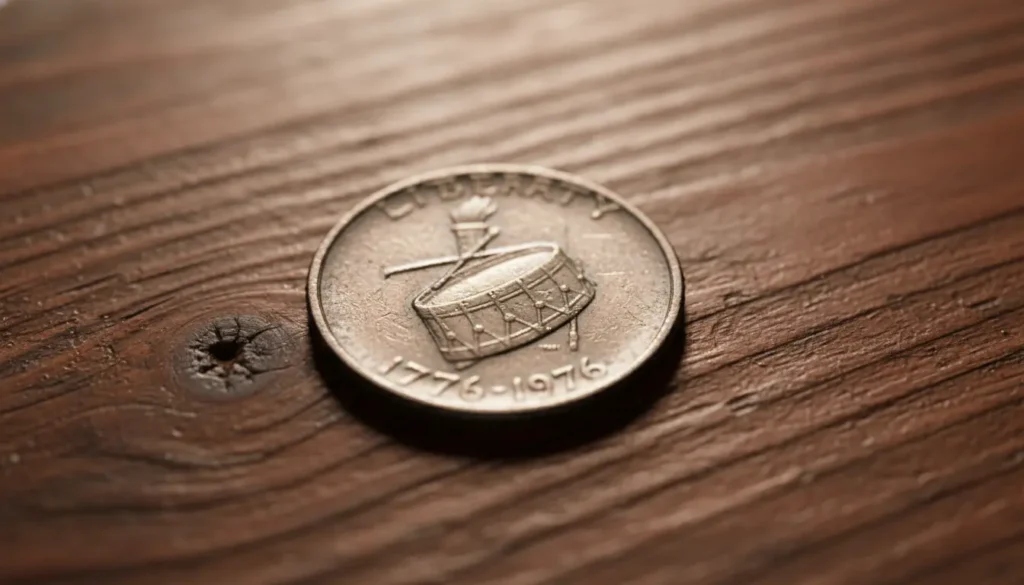
The Bicentennial quarter was issued to mark the United States’ 200th anniversary of independence. It carries the dual date 1776–1976 and a special reverse design featuring a colonial drummer.
Millions of these quarters were minted and circulated, so most are common. However, a few coins with unusual errors or exceptionally high grade can draw collector interest and higher prices.
How to identify a Bicentennial Quarter
Design and dates
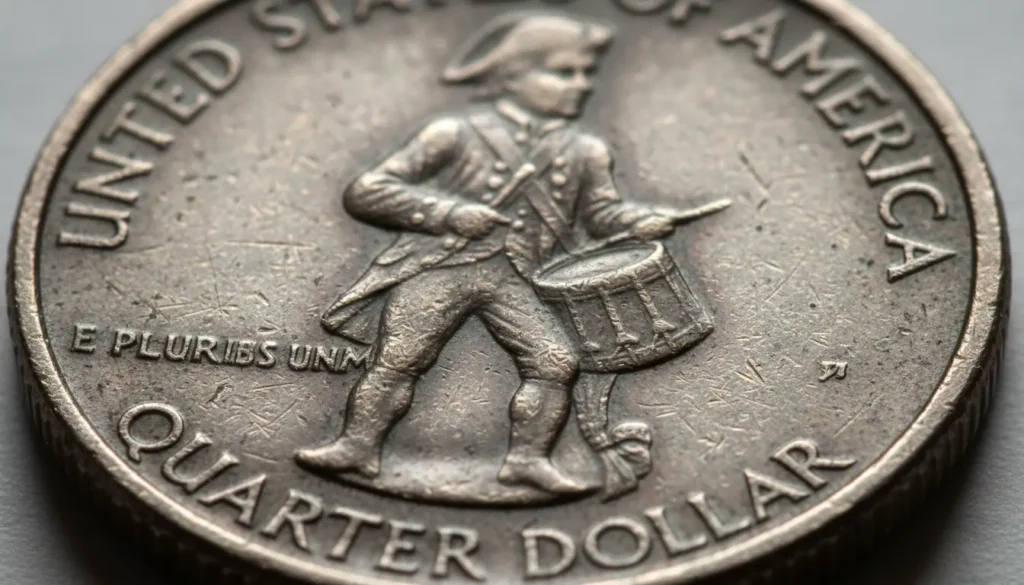
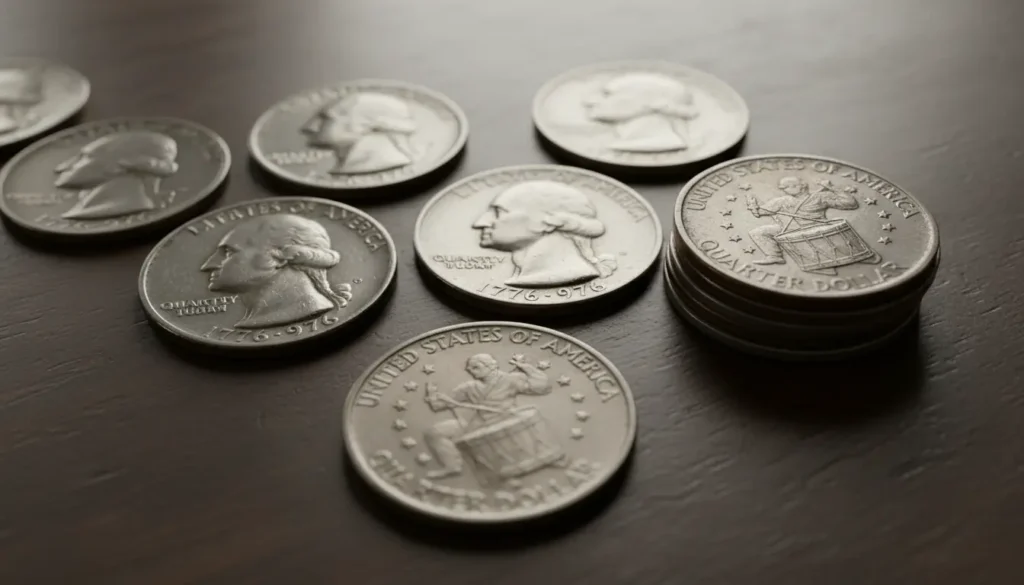
Look for the dual date ‘1776–1976’ on the obverse. The reverse shows a drummer and 13 stars. These design details are the first check when you find a quarter that could be a Bicentennial.
Some later restrikes or reissues may look similar, so pay attention to wear, toning, and metal composition.
Mint marks and production types
Mint marks appear on the obverse and indicate where the coin was made: ‘D’ for Denver, ‘S’ for San Francisco, and none for Philadelphia on certain strikes. Proof coins from San Francisco often bear higher quality finishes.
There are also silver-clad Bicentennial proofs and special mint sets that used a silver composition, which are more valuable than common clad circulation pieces.
What makes a Bicentennial Quarter rare and valuable
Rarity depends on a few key factors: error types, minting varieties, metal composition, and the coin’s grade. Understanding these helps separate a common quarter from a collectible piece.
Error coins and varieties
Errors that increase value include doubled dies, die breaks, off-center strikes, and clipped planchets. These defects are limited in number and can attract collectors who specialize in varieties.
Common varieties include proof coin deep cameo contrast and certain die pairing anomalies. Not every unusual mark increases value, so proper identification is essential.
High-grade and proof examples
Most Bicentennial quarters circulated heavily and show wear. By contrast, uncirculated Mint State (MS) examples and Proofs (PR) with strong eye appeal can command higher prices.
Coins graded MS66 or higher and proofs graded PR67 or higher are considerably scarcer and often sell for premiums at auction.
How to check value and grading
Values vary widely. A common circulated Bicentennial quarter may be worth face value or slightly more. High-grade, silver-clad, or error pieces can range from tens to thousands of dollars.
Steps to inspect your coin
- Examine closely under good light and a loupe for mint marks, doubling, or die breaks.
- Check the edge: silver-clad proof coins may have a slightly different sound or edge composition.
- Compare with known images of authentic Bicentennial coins and error varieties from reputable sources.
- If you suspect a valuable variety, submit the coin to a recognized grading service (PCGS, NGC) for authentication.
Where to get reliable pricing
Use auction records, price guides, and dealer listings for recent sale prices. Auction results are the best indicator of what collectors actually pay.
Remember that asking prices and sale prices differ; final sale prices reflect condition, certification, and market demand.
The U.S. Bicentennial quarter was produced in both standard copper-nickel clad and silver-clad proof formats. Most circulating Bicentennial quarters are common, but some mint errors and high-grade proofs are sought after by collectors.
Practical tips before you sell
Don’t assume a coin is priceless without verification. Many coins marketed as ‘rare Bicentennial’ are common or damaged and have modest value.
Follow a practical checklist: authenticate, grade, research market prices, and choose the right selling channel (auction house, coin dealer, online marketplace).
Costs to consider
- Grading and submission fees
- Auction house commissions
- Insurance and shipping for high-value coins
Case study: One collector’s discovery
A collector found a worn 1976 quarter in pocket change and set it aside after noticing an unusual raised line across the drum on the reverse. Concerned it might be an error, they submitted it to a grading service for evaluation.
Grading confirmed a minor die crack and an attractive original luster for its grade. After authentication, the coin sold at a regional auction for about $1,200—far above face value, but not close to a million-dollar result.
This example shows the realistic path from discovery to sale and highlights how errors and condition influence price.
Could your Bicentennial Quarter be worth $1 million?
A million-dollar value is extremely unlikely for Bicentennial quarters. Most examples lack the scarcity and provenance needed for such prices.
Only truly unique, historically significant, or dramatic error coins authenticated by major grading services and proven at auction would approach very high valuations.
Realistic expectations
- Common circulated quarters: face value to a few dollars
- Uncirculated and proof silver-clad pieces: hundreds to a few thousand dollars
- Documented rare errors or unique specimens: potentially thousands to tens of thousands, rarely more
Final steps if you think you have one
Handle the coin carefully and keep it in a protective holder. Avoid cleaning or polishing, which can drastically reduce value.
Document where and how you found the coin, photograph both sides, and consult a reputable coin dealer or grading service for authentication. That step will tell you whether to pursue sale through auction or a private dealer.
Finding a valuable Bicentennial quarter is possible, but treating the process carefully and realistically will get you the best result. Most pockets will hold common pieces, but a few will reward careful inspection and proper certification.