What is the Bicentennial Quarter and why collectors care
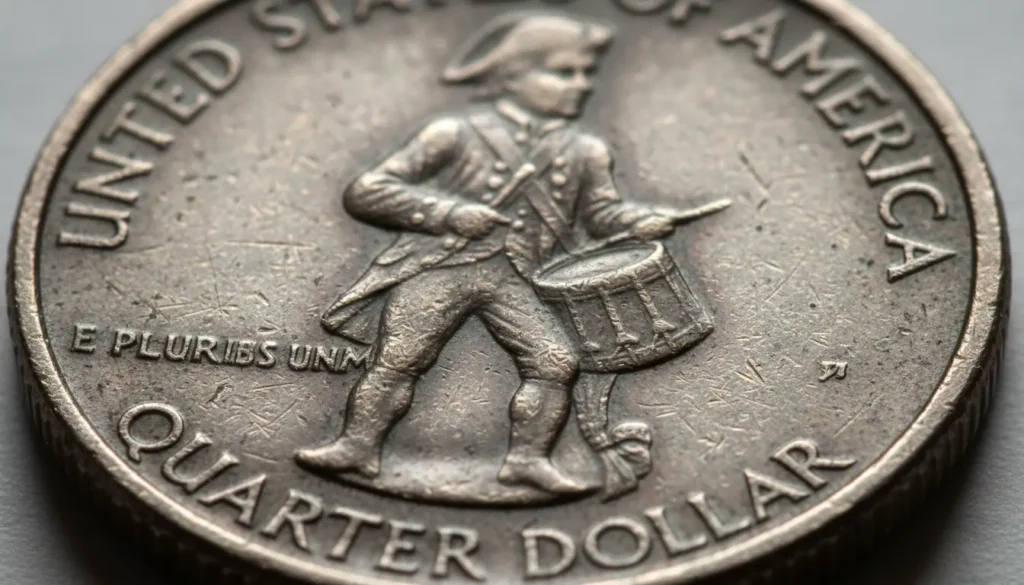
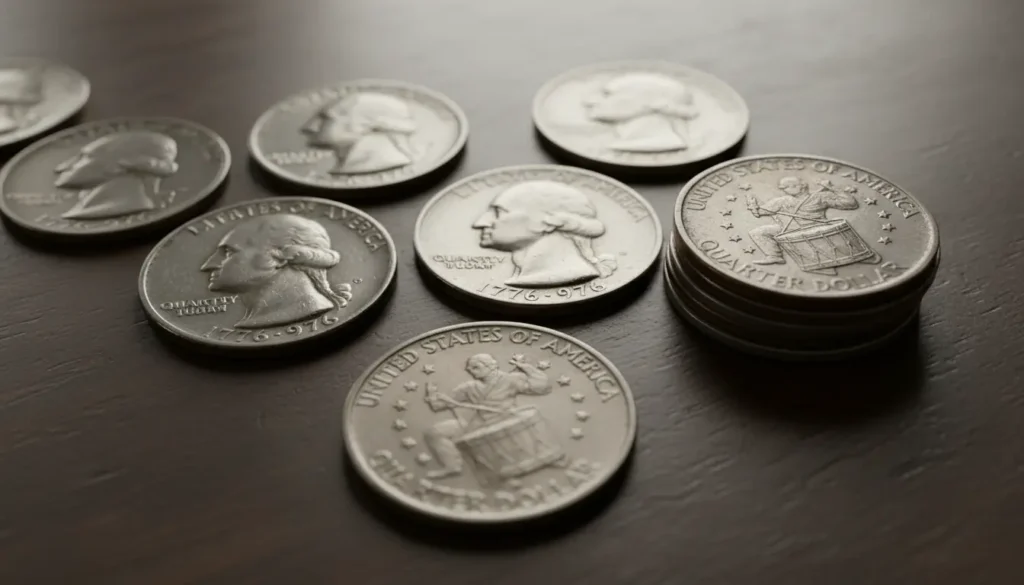
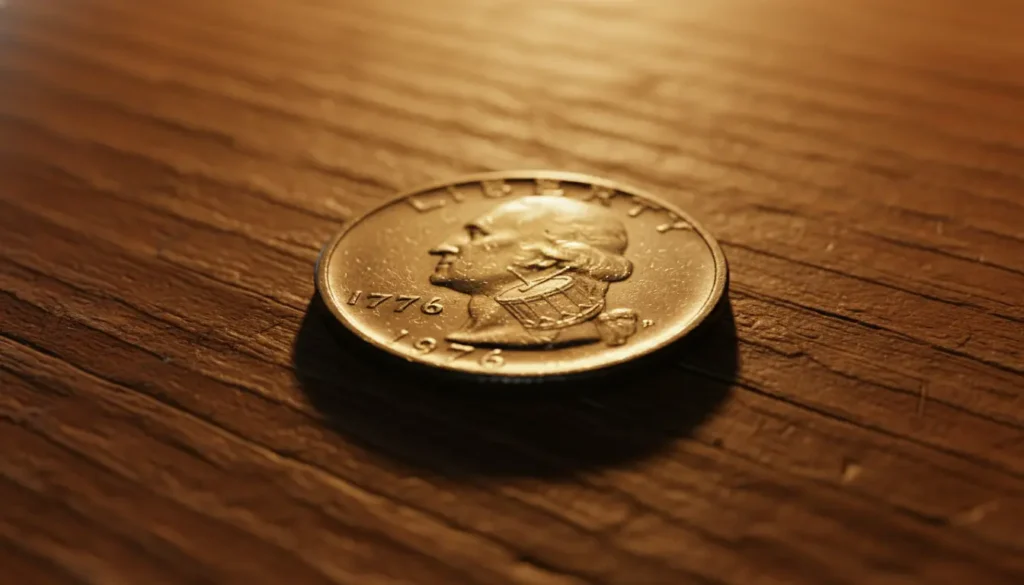
The Bicentennial Quarter was issued for 1976 to commemorate the 200th anniversary of American independence. It has a dual date 1776-1976 and a special reverse design featuring a colonial drummer.
Because the design change was temporary, the series attracted collector attention and many varieties, proofs, and error coins exist. Most are common, but a few can be worth significantly more than face value.
Could a Bicentennial Quarter in your pocket be worth $1 million?
Short answer: extremely unlikely. The US Mint produced Bicentennial quarters in huge quantities, so the typical coin is common. Reaching a million-dollar price would require a truly unique combination of rarity, grade, and demand.
That said, very valuable coin sales usually involve:
- Major mint errors that are one-of-a-kind or extremely few in number.
- Perfect professional grading at the highest possible level (for example, Proof-70 or Mint State 70 for modern coins).
- Strong provenance or collector interest tying the coin to a famous event or hoard.
Bicentennial Quarter varieties and where value comes from
Collectors look for several things when valuing a Bicentennial Quarter. These include mint mark, strike quality, metal composition, and errors. Some examples of higher-value types are silver proofs and well-documented error strikes.
Key features to check:
- Mint mark: S denotes San Francisco, often associated with proof issues. D is Denver, and unminted pieces were produced at Philadelphia with no mint mark for circulation.
- Proof vs. circulation: Proof coins were made for collectors and often have higher finishes. Silver proofs (40% silver) can carry a metal premium.
- Planchet or die errors: Off-center strikes, double dies, clipped planchets, or wrong metal planchets are the types of errors that can command higher prices.
Realistic high-value scenarios for a Bicentennial Quarter
To reach rare high values, a Bicentennial Quarter would likely need one or more of these characteristics. Each increases the chance of serious collector interest:
- Unique or extreme mint error documented by multiple experts.
- Certified grade extremely close to perfect (PCGS PR70 or MS70).
- A provenance linking the coin to an important hoard or a famous discovery.
Even with these, moving from a few thousand dollars to seven figures is a big leap and uncommon for modern commemorative quarters.
How to inspect a Bicentennial Quarter in your pocket
Follow these practical steps before assuming a coin is highly valuable. These checks are inexpensive and avoid false hopes.
- Look for the dual date 1776-1976 and the drummer on the reverse.
- Check the edge and weight. Silver proofs will have a different feel and weight than clad circulation strikes.
- Use a magnifier to search for doubling, off-center strikes, or unusual planchet flaws.
If you find something unusual, photograph the coin from several angles and note any visible errors or marks.
Getting professional verification and grading
If you believe your coin could be valuable, the next step is professional grading. Two well-known grading services are PCGS and NGC. Certification can confirm authenticity and assign a grade that greatly affects value.
Steps to grade a coin:
- Document the coin with clear photos.
- Start with an experienced local coin dealer for an initial assessment.
- Submit to a reputable grading service if the dealer suggests potential high value.
Case study: A careful approach pays off — a small real-world example
A collector found a Bicentennial Quarter in an old coin roll and noticed unusual doubling near Washington’s hair. They took photos and consulted a local dealer. The dealer advised submitting the coin to a grading service rather than selling immediately.
After authentication and grading, the coin was identified as a significant doubled-die variety and graded MS66. It sold at auction for several thousand dollars — far above face value, but well short of seven figures. The owner avoided a quick sale and followed expert guidance, maximizing value.
How to sell a rare Bicentennial Quarter if you find one
If grading confirms a rare variety, choose a sales channel based on expected value. For modest premiums, private sales or dealers work well. For higher-value items, auction houses or specialist coin auctions are better.
Practical tips:
- Get multiple opinions and price estimates before selling.
- Keep certificates, grading paperwork, and provenance documents ready.
- Use reputable auction houses for high-value sales and expect fees or commissions.
Final takeaway on Bicentennial Quarter value
While most Bicentennial Quarters in circulation are worth face value or a small premium, rare error pieces and top-graded proofs can be valuable. A million-dollar sale is theoretically possible only in extraordinary, almost unique circumstances.
Be practical: document, seek expert advice, and use professional grading if a coin seems atypical. A careful, measured approach gives you the best chance to realize any real value.