Understanding the Bicentennial Quarter
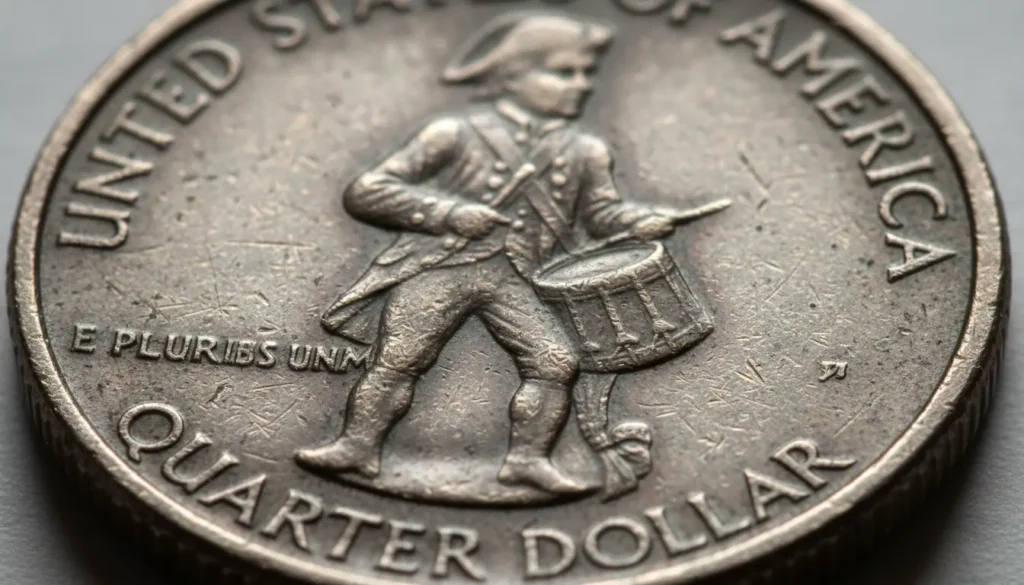
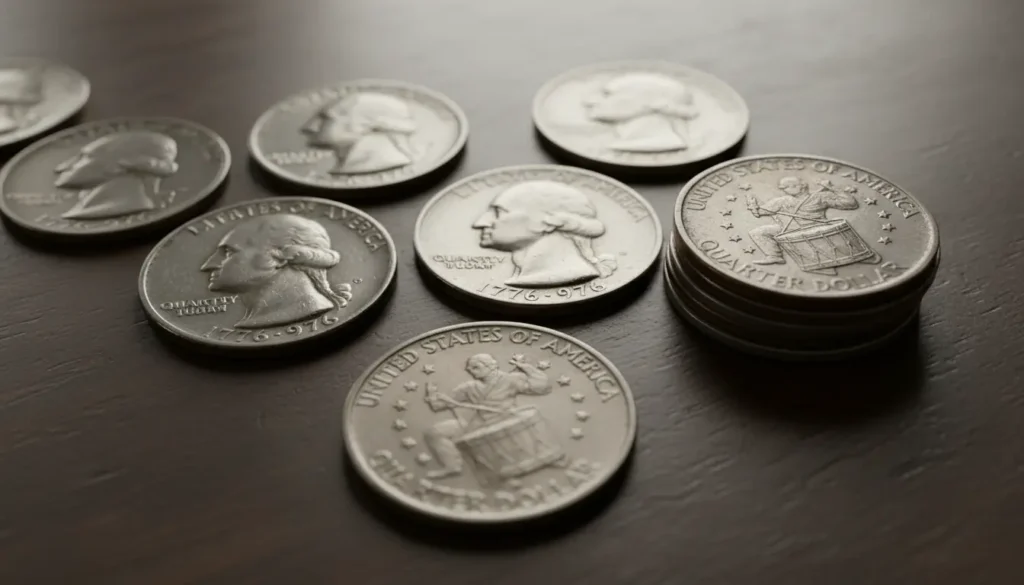
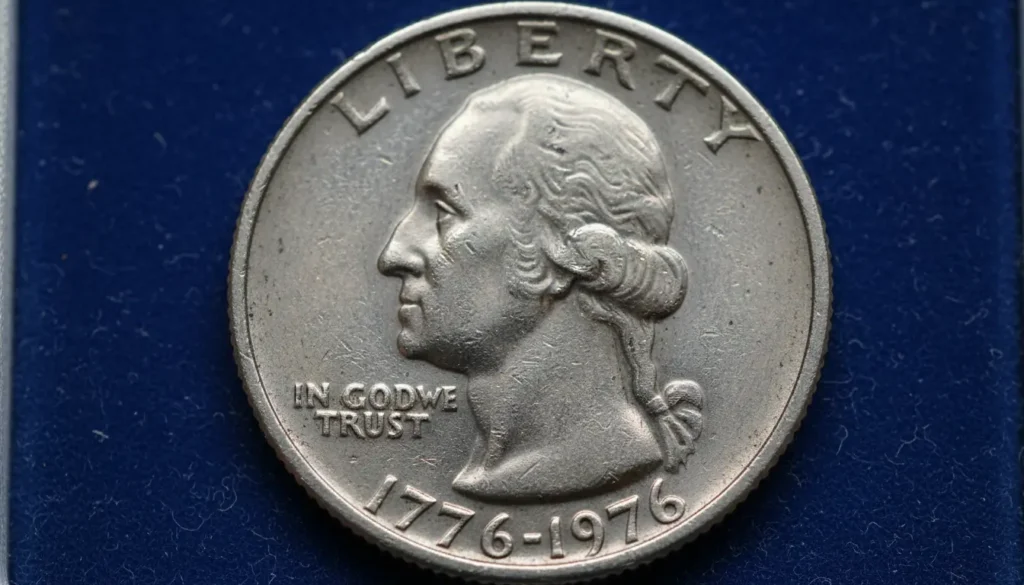
The Bicentennial Quarter was issued for the United States 200th anniversary and shows the dual date 1776-1976 on the obverse. Millions were minted, so most are common and worth face value or a small premium to collectors.
Still, collectors ask: could a Bicentennial Quarter in your pocket be worth $1 million? The practical answer requires a careful look at rarity, errors, and condition.
How Rare Is a Bicentennial Quarter?
Most Bicentennial Quarters were produced in massive quantities across multiple mints and finishes. Circulating strikes, business strikes, and proof versions exist, and only a tiny fraction have error types or survival quality that significantly raise value.
In everyday terms, rarity depends on three things: a unique minting error, extremely high grade, or a documented historical provenance. Any one of these can increase value, but all three together are needed to approach the uppermost market prices.
Common reasons some Bicentennial Quarters are valuable
- Production errors (off-center strike, clipped planchet, wrong planchet)
- Die varieties or repunched mintmarks
- Exceptional condition (graded MS65 and above for business strikes, PR70 for proofs)
- Specimens or patterns not released for general circulation
Typical Value Ranges
Most circulated Bicentennial Quarters sell for face value or a slight premium, often $0.25 to $5 for common circulated pieces. Collectors pay more for higher grade or attractive pieces.
Error coins and top-graded specimens can sell for hundreds to thousands of dollars. Reaching six figures or more is rare and usually involves unique provenance or museum-quality rarity, not a typical pocket find.
How to Check a Bicentennial Quarter in Your Pocket
Follow these practical steps before assuming major value. These steps are simple and avoid costly mistakes.
- Inspect the date and mint mark: look for 1776-1976 and mint marks D, S, or none for Philadelphia.
- Look for obvious errors: off-center, clipped planchet, broadstrike, double die, or missing elements.
- Check composition: proof silver-clad coins come from special sets; common quarters are copper-nickel clad.
- Assess wear: sharp details and no scratches increase value. High-grade uncirculated coins are most desirable.
Tools that help
- 10x loupe to inspect die marks and doubling
- Digital scale and calipers for planchet checks
- Reference images or reputable price guides (PCGS, NGC)
Most Bicentennial Quarters were struck by the tens of millions at several mints, so only clear minting errors or exceptional condition typically create substantial collector value.
When to Seek Professional Grading and Authentication
If you find an unusual error or an uncirculated coin in exceptional condition, professional grading is the next step. Grading provides authentication and a grade that buyers trust.
Submit potential high-value coins to established services such as PCGS or NGC. Grading ensures you can reach serious collectors or auction houses with confidence.
Where and How to Sell a Valuable Bicentennial Quarter
Decide the right marketplace based on rarity and expected value. For modest premiums, online marketplaces and local dealers are fine. For rare, high-end pieces, use professional auctions or specialized dealers.
- Local coin shops: convenient for quick sales or initial appraisals.
- Online auction houses: best for reaching a wide collector audience.
- Specialist dealers: ideal for rare or error coins where expertise matters.
Timing and documentation
Keep any paperwork, provenance, or prior grading slips. Good documentation can increase buyer confidence and final sale price.
Small Case Study: A Pocket Find and What Happened
A collector found a noticeably off-center 1976 quarter mixed in pocket change. They photographed it, used a loupe to confirm the off-center strike, and compared it with error reference photos online.
After submitting the coin for third-party grading, the coin was authenticated as an off-center strike and graded. The owner sold it through an auction platform to a collector who paid a price well above retail but within the realistic market range for similar errors.
Realistic Expectations: Could It Be $1 Million?
While headlines sometimes suggest modern coins fetch seven-figure sums, such outcomes are exceptional. For a Bicentennial Quarter to approach $1 million, it would likely need to be a unique pattern, an undisputed one-of-a-kind mint error with excellent documentation, and strong collector demand.
Most valuable Bicentennial Quarters reach hundreds or thousands of dollars rather than hundreds of thousands or millions. Treat any claim of a million-dollar pocket coin with skepticism and verify with experts.
Practical Checklist Before You Sell
- Document the coin with clear photos (obverse and reverse)
- Check reference guides and error lists
- Get a professional opinion from a reputable dealer or grader
- Consider auctioning if value seems high and you want wide exposure
- Keep realistic expectations based on comparable sales
Conclusion
Finding a Bicentennial Quarter in your pocket is exciting, but a million-dollar payoff is extremely unlikely. The real value comes from careful inspection, proper authentication, and using trusted marketplaces.
If you think you have an unusual Bicentennial Quarter, document it, consult experts, and consider professional grading. That approach gives you the best chance to realize the coin’s true market value.