1976 Bicentennial Quarter Value Overview
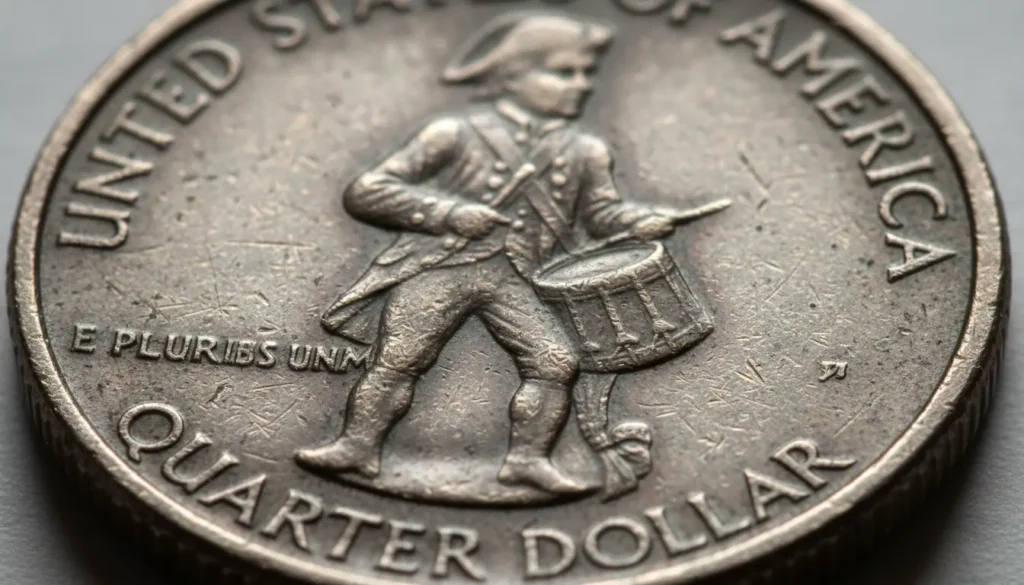
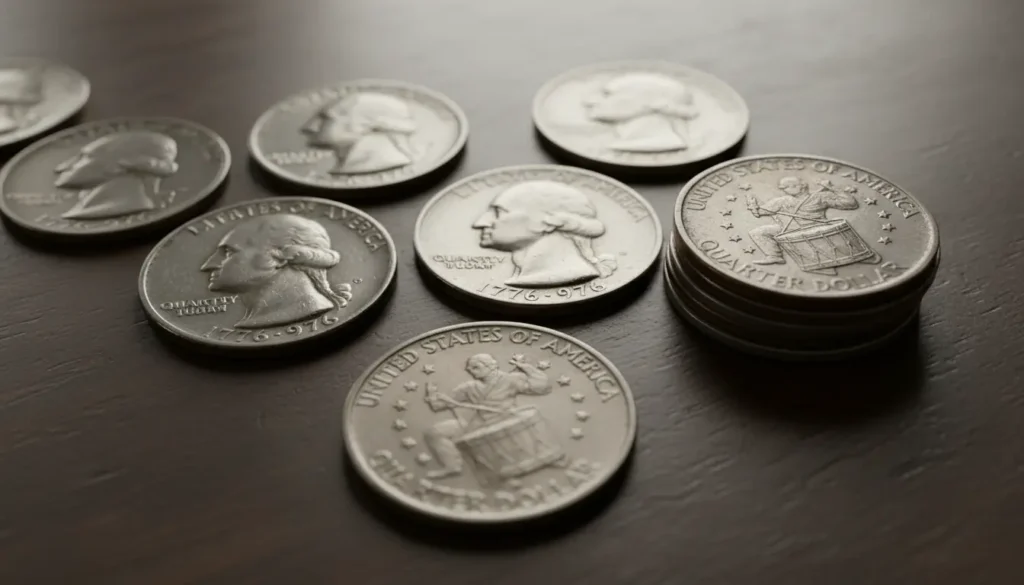
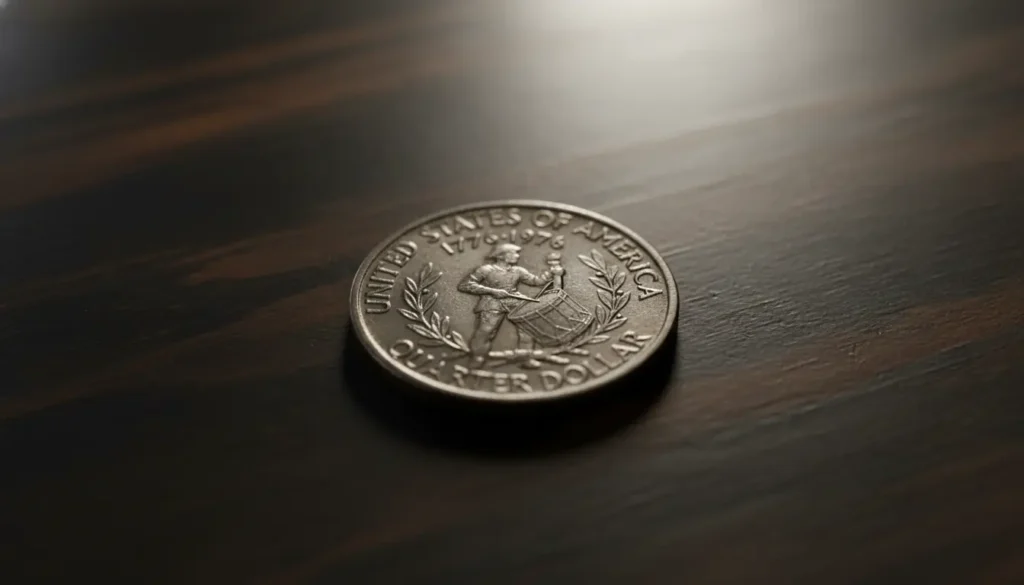
The 1976 Bicentennial quarter is one of the most recognizable modern U.S. coins. Millions were produced, but a few rare varieties and minting errors still command notable premiums.
This guide explains four rare varieties of the 1976 Bicentennial quarter, how to identify them, and what affects their value. Focus on condition, rarity, and demand when evaluating any quarter.
How value is determined for a 1976 Bicentennial Quarter
Value depends on grade, variety, and market demand. Most circulated 1976 Bicentennial quarters are worth face value up to a few dollars.
Error coins and proof pieces in high grade can be worth considerably more. Certification by a recognized grading service often increases buyer confidence and price.
4 Rare Varieties of 1976 Bicentennial Quarter
1. Doubled Die Obverse or Reverse
Doubled dies occur when the coin die receives misaligned secondary impressions, producing visible doubling on the date, motto, or design elements. On a bicentennial quarter, look for doubling on “LIBERTY,” the date 1776-1976, or the drummer and eagle details.
Strong doubled dies are rare for this series and attract collectors who specialize in varieties. Values range widely based on visibility and grade.
- Identification tips: View under magnification at 10x or higher; doubling appears as distinct, offset secondary lines rather than soft blurring.
- Value factors: clarity of doubling, coin grade, and certificate from PCGS/NGC.
2. Re-Punched Mint Mark (RPM)
RPMs happen when the mint mark is punched into the die more than once in slightly different positions. For 1976 quarters, check the D (Denver) or S (San Francisco) mint mark for evidence of repunching.
RPMs are collectible because they are clear, reproducible die states. Early die stages tend to show the most dramatic RPMs.
- Identification tips: Examine the mint mark with a loupe; look for overlapping or shadowed letters inside the mint mark area.
- Value factors: RPM prominence, Rarity, and collector interest. RPM examples can sell for modest to significant premiums depending on severity and grade.
3. Off-Center Strikes and Broadstrikes
Off-center strikes occur when a blank planchet is not fully aligned under the dies, resulting in part of the design missing. Broadstrikes occur when the collar fails and the coin expands outward during striking.
Both error types are visually dramatic and sought after. The greater the percentage off-center, generally the higher the value.
- Identification tips: Measure how much of the design is missing; coins off-center by 10–20% are fairly common, while 40%+ may be rare and much more valuable.
- Value factors: Degree of off-center, presence of full date or design elements, visual appeal, and certification.
4. Silver Proof and Clad Mix-Up Errors
In 1976 the U.S. Mint produced special silver proof sets that included quarters struck on 40% silver planchets for collectors. Errors that mix planchets—such as a silver quarter struck on a clad planchet or vice versa—are rare and highly collectible.
These planchet mix-ups are distinct from normal proof and business strikes and can carry large premiums, particularly if authenticated and graded.
- Identification tips: Silver planchets show a different color and sound; a specific gravity test or expert opinion can confirm composition.
- Value factors: Verification of metal composition, grade, and market demand for the specific error type.
Practical steps to identify and protect valuable 1976 Bicentennial quarters
Start with a loupe (10x) and compare suspect coins to known examples online or in guides. Look for clear doubling, overlapping mint marks, striking off-center, or unusual metal color or weight.
If you suspect a valuable variety or error, avoid cleaning the coin. Cleaning can reduce value substantially. Instead, photograph both sides and seek evaluation.
- Use a trusted local coin dealer for initial feedback.
- Consider submission to a grading service like PCGS or NGC if the coin appears to be rare or high grade.
- Store coins in acid-free holders and keep them in a stable, dry environment.
Real-World Example: A Local Coin Show Discovery
A collector at a regional coin show bought a small lot of loose modern coins. Among them was a 1976-D Bicentennial quarter with a pronounced repunched mint mark and visible doubling on the date.
After authentication and grading, the coin earned a mid-grade uncirculated score and sold to a specialist for several times face value. The buyer valued the clear RPM and doubling combined with solid strike and eye appeal.
This example shows how careful inspection and patience can turn a pocket find into a valuable addition for specialists and a profit for the finder.
Where to sell or buy rare 1976 Bicentennial quarters
Good options include reputable auction houses, specialist dealers, and certified-coin marketplaces. Always check seller reviews and ask for grading documentation.
Smaller errors may sell locally or on online marketplaces, while dramatic varieties often do better at auction or through specialists who reach motivated collectors.
Summary: Focus on condition and documentation
Most 1976 Bicentennial quarters are common, but collectors prize certain doubled dies, RPMs, off-center strikes, and planchet mix-ups. Condition and third-party certification are the biggest drivers of price.
Inspect coins carefully, avoid cleaning, and consult experts when you find an unusual piece. With the right variety and grade, a bicentennial quarter can be worth more than its face value by a large margin.